

How Can Employees Organize An Out-Of-Town Business Trip More Efficiently?
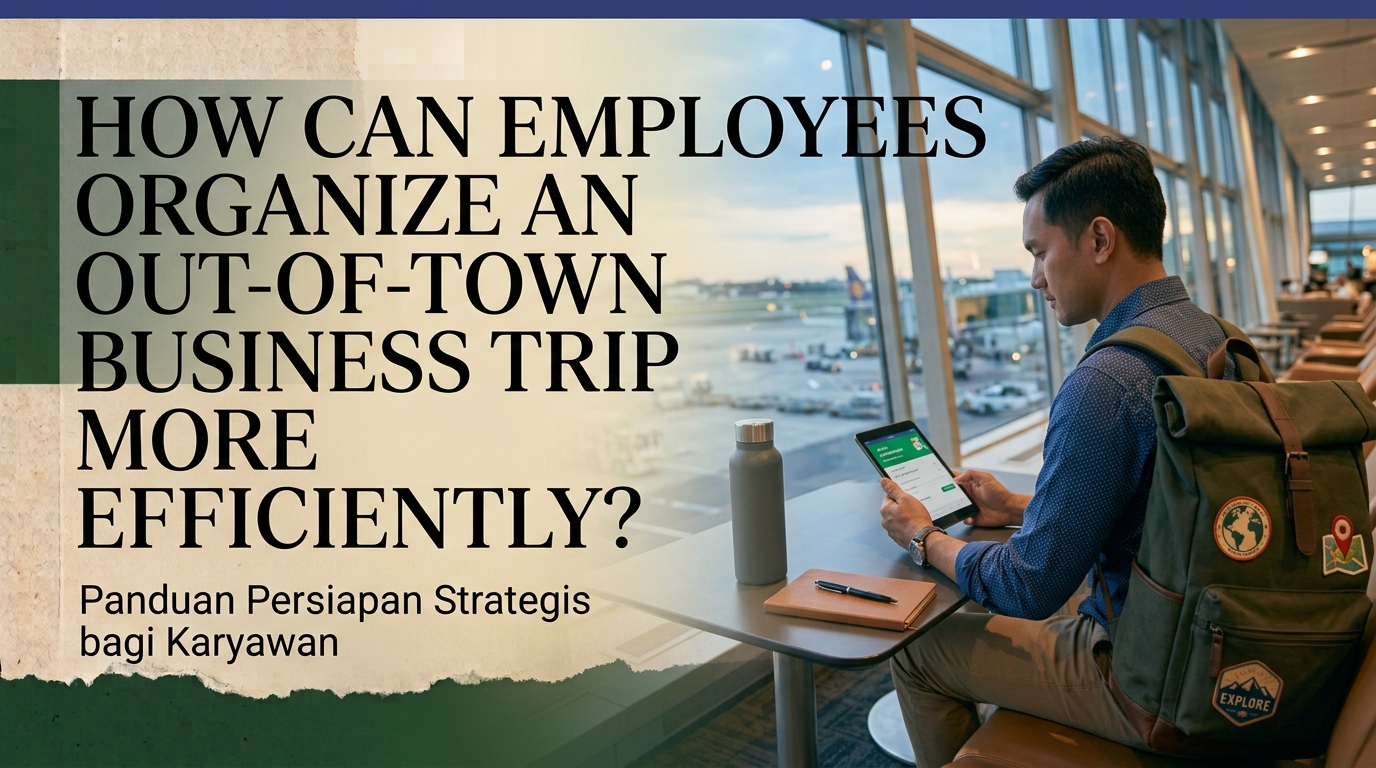
Organizing an out-of-town business trip efficiently requires careful planning, clear communication, and effective time management. Employees often need to attend meetings, visit clients, meet business partners, or complete assignments in another city. Without proper organization, unexpected delays, unclear schedules, and unnecessary expenses can affect the trip's success. Therefore, employees should prepare their travel arrangements and work responsibilities before leaving. An organized business trip helps employees save time, control costs, reduce stress, and achieve their professional goals.
SET CLEAR OBJECTIVES BEFORE TRAVELING
The first step in organizing a business trip efficiently is to determine its main objectives. Employees should understand why the trip is necessary and what results the company expects. For example, the purpose may be to negotiate a business agreement, attend a training session, visit a client, or inspect a company location. Clear objectives help employees identify the most important activities and prepare the information they need. Having specific goals makes the trip more focused and productive.
Employees should discuss their plans with their supervisors before departure. They can agree on expected outcomes, important deadlines, and the tasks that must be completed during the trip. This discussion also helps employees avoid activities that do not support the main purpose of the journey. After the trip, the results can be compared with the original objectives. Clear expectations make it easier to measure the success of business travel.
CREATE A REALISTIC TRAVEL SCHEDULE
A well-organized schedule helps employees manage their time and avoid missing important appointments. They should list meetings, transportation times, hotel check-ins, and other activities in one calendar. Each appointment should include the location, time, contact person, and estimated duration. Employees should also consider the distance between destinations when planning their daily activities. A realistic itinerary keeps the journey organized and reduces scheduling conflicts.
It is important to leave extra time for traffic, delays, and unexpected changes. Planning several appointments too close together can create unnecessary pressure and cause employees to arrive late. Digital calendars can provide reminders and help employees review their schedules quickly. If a meeting time changes, employees should update the itinerary and inform everyone involved. Flexible scheduling allows employees to respond to problems without disrupting the entire trip.
BOOK TRANSPORTATION AND ACCOMMODATION EARLY
Booking transportation in advance can make a business trip more efficient. Employees should compare trains, buses, flights, or other available options based on cost, travel time, comfort, and arrival schedules. They should choose transportation that supports the business itinerary rather than focusing only on the lowest price. Early booking may also provide more choices and reduce last-minute difficulties. Reliable transportation helps employees arrive on time and use their working hours effectively.
Accommodation should be selected according to the trip's location, duration, budget, and safety requirements. Staying near the meeting venue may reduce commuting time and transportation expenses. Before departure, employees should confirm their reservations, addresses, check-in times, and cancellation policies. They should also plan how to travel between the hotel and each business destination. Convenient accommodation can save valuable time and make the journey more comfortable.
PREPARE DOCUMENTS AND WORK MATERIALS
Employees should prepare all documents required for their business activities before leaving. These may include identification, transportation tickets, hotel confirmations, meeting agendas, reports, proposals, and presentation files. They should check that the information is accurate and that important documents are easy to access. Digital copies can be stored securely as backups when appropriate. Preparing documents in advance prevents delays and supports a professional image.
Work materials should also be organized according to the purpose of each appointment. Employees can create separate folders for different clients or meetings to find information more quickly. They should test their laptops, mobile phones, chargers, and presentation equipment before departure. Important files may also be made available offline in case the internet connection is unreliable. Well-prepared documents and equipment help employees focus on their work instead of solving avoidable technical problems.
MANAGE THE TRAVEL BUDGET EFFECTIVELY
Budget management is essential for keeping business travel efficient and cost-conscious. Employees should understand the company's spending limits and approved expenses for transportation, accommodation, meals, and other necessary activities. They should compare reasonable options and select arrangements that provide good value without compromising safety or work requirements. If a travel advance or allowance is provided, employees should confirm how it can be used. Careful budgeting helps control costs and prevents unnecessary spending.
During the trip, employees should keep receipts and record eligible expenses. They should separate personal purchases from business costs to make financial reporting easier. If an unexpected expense occurs, they should follow company procedures and seek approval when required. Reviewing expenses regularly can help employees stay within the allocated budget. Accurate expense records support transparent reporting and smoother reimbursement.
USE TECHNOLOGY TO SIMPLIFY PLANNING
Digital tools can make business trip organization faster and more convenient. Employees can use calendar applications to manage appointments, mapping services to estimate travel times, and booking platforms to review transportation or accommodation details. Cloud storage and approved company applications can also help them access documents while away from the office. These tools reduce the need to manage information through multiple paper documents. Using suitable technology improves coordination and saves time.
However, employees should choose tools that meet company security requirements. Confidential business files should only be stored or shared through authorized platforms. They should protect their devices with strong passwords and avoid accessing sensitive information through unsecured networks. Employees should also keep essential booking details available in case a device loses its connection. Technology is most effective when convenience is balanced with data security and reliable backup plans.
COMMUNICATE WITH COLLEAGUES AND BUSINESS PARTNERS
Effective communication helps prevent misunderstandings before and during a business trip. Employees should confirm meeting times, locations, agendas, and participant details with clients or business partners. They should also share their itinerary with their supervisors or relevant colleagues so that everyone understands the travel arrangements. If any schedule changes occur, the people affected should be informed as soon as possible. Clear communication keeps business activities coordinated and professional.
Employees should also arrange coverage for their regular duties while they are away. Important tasks, deadlines, and ongoing projects can be handed over to colleagues who are able to manage them. They should explain how to handle urgent matters and identify the appropriate contact person. This preparation helps the office continue operating smoothly during the employee's absence. Good teamwork ensures that business responsibilities are not neglected while employees travel.
PRIORITIZE HEALTH, SAFETY, AND REST
Efficient business travel depends on employees being physically and mentally prepared. They should get enough sleep before departure, eat regular meals, drink sufficient water, and take breaks when necessary. A schedule that is too crowded can lead to fatigue and reduce concentration during important meetings. Employees should plan realistic working hours and allow enough time to rest. Maintaining good health helps employees stay focused and perform their duties effectively.
Safety should also be included in the travel plan. Employees should keep essential contact details accessible, secure their belongings, and use reliable transportation. They should know the location of their accommodation and understand how to reach their meeting venues. Following company travel policies and remaining aware of their surroundings can reduce avoidable risks. A safe and balanced travel plan supports both employee well-being and business performance.
REVIEW THE ITINERARY AND EVALUATE THE RESULTS
Before departure, employees should review the entire itinerary to make sure that all arrangements are complete. They should verify ticket details, hotel reservations, meeting schedules, travel documents, and the equipment needed for work. A simple checklist can help identify missing items and reduce last-minute confusion. Employees should also confirm the first appointment and allow enough time to reach the destination. A final review helps prevent small mistakes from becoming major disruptions.
After returning, employees should evaluate whether the trip achieved its objectives. They can review completed tasks, business outcomes, total expenses, and any challenges that occurred. A short report can explain the results and recommend improvements for future trips. Employees should also share important information with colleagues who need it for ongoing projects. Evaluating each trip helps companies improve travel planning and make future business journeys more efficient.
CONCLUSION
Employees can organize an out-of-town business trip more efficiently by setting clear objectives, creating realistic schedules, booking arrangements early, preparing work materials, and managing expenses carefully. Using appropriate technology and maintaining clear communication also helps reduce delays and improve coordination. Employees should remember to prioritize their health, follow safety procedures, and review their plans before departure. After the trip, evaluating the results can reveal opportunities for improvement. With effective planning and teamwork, business travel can become more productive, cost-effective, and comfortable.
Recent Posts

Bagaimana Sistem SKS pada Program Kuliah... 22.11.2026/56 View

How Does Technology Make Daily Evaluation... 21.11.2026/86 View

Apa Strategi Menghadapi Kesenjangan antara Kompetensi... 21.11.2026/84 View

Mengapa Inventaris Aset Penting bagi Kelancaran... 21.11.2026/82 View

When Should Musicians Join a Record... 21.11.2026/86 View
