

How Can Extended Families Maintain Togetherness in the Modern Era?
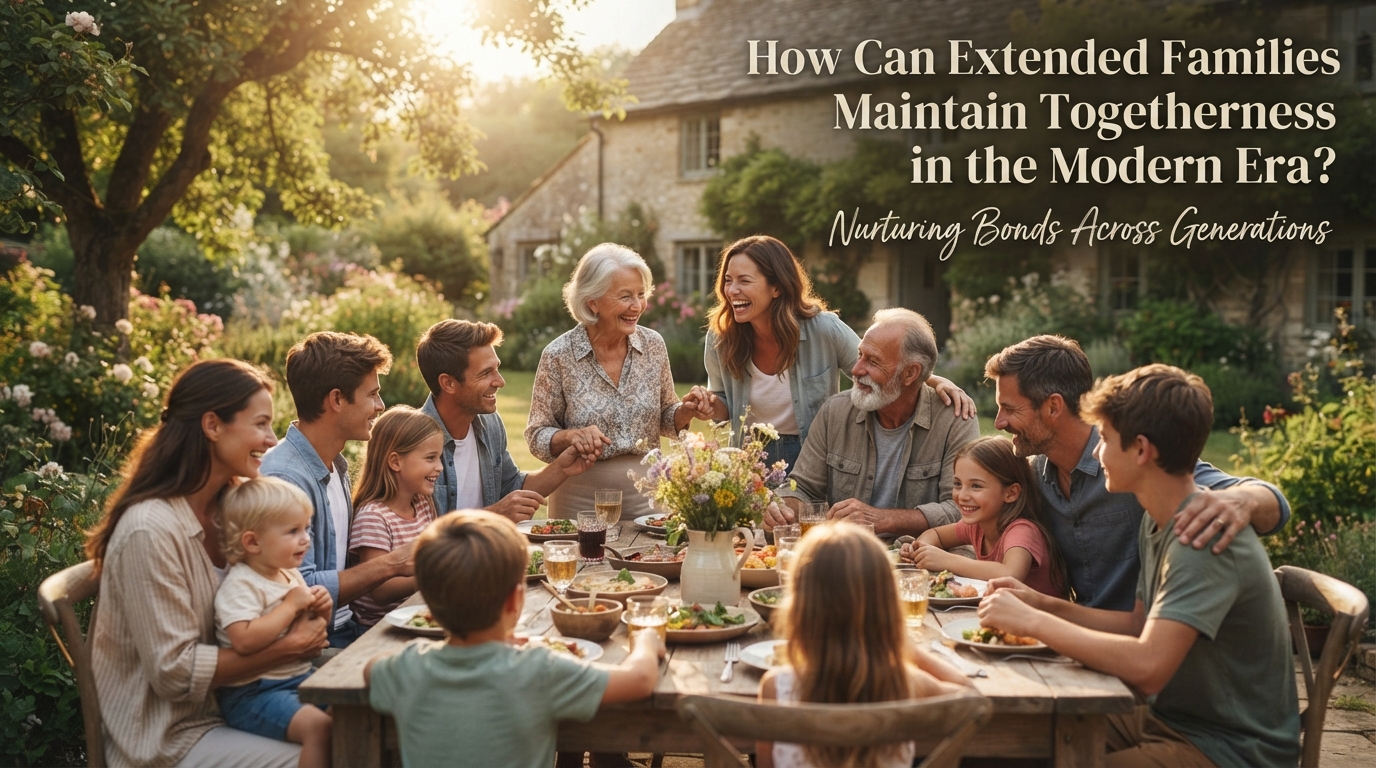
Maintaining family togetherness has become increasingly challenging in the modern era. Busy work schedules, educational responsibilities, changing lifestyles, and geographical distance can reduce opportunities for relatives to spend time together. In an extended family, which includes grandparents, uncles, aunts, cousins, and other relatives, these challenges can make relationships less close if family members do not make an effort to stay connected.
However, modern developments also provide many opportunities to maintain strong family relationships. Through regular communication, shared activities, mutual support, and the responsible use of technology, extended families can preserve their togetherness despite changing circumstances. Maintaining family connections does not always require meeting every day. What matters most is the willingness of each family member to stay involved, respect one another, and create meaningful moments together.
MAINTAINING REGULAR COMMUNICATION
One of the most effective ways to maintain togetherness in an extended family is through regular communication. Family members should make time to ask about one another's activities, share personal experiences, and discuss important matters. Simple conversations can help relatives understand each other's situations and maintain emotional connections. Consistent communication also reduces the possibility of misunderstandings caused by a lack of information.
In modern life, relatives may have different schedules and responsibilities. Therefore, families can arrange regular phone calls, send messages, or organize conversations through family group chats. These small efforts help everyone remain connected even when they cannot meet frequently. Good communication creates a foundation of trust, care, and mutual understanding.
ORGANIZING REGULAR FAMILY GATHERINGS
Family gatherings provide valuable opportunities for relatives to spend time together and strengthen their relationships. Activities such as family dinners, birthday celebrations, holiday gatherings, and weekend visits allow members to interact directly. These moments help relatives share experiences, discuss personal matters, and create meaningful family memories.
Families do not need to organize expensive or complicated events to maintain togetherness. Simple activities, such as eating together, preparing meals, or visiting grandparents, can be equally meaningful. The important thing is to make gatherings a regular part of family life. Consistent face-to-face interaction helps maintain emotional closeness across generations.
USING TECHNOLOGY TO STAY CONNECTED
Technology plays an important role in helping extended families maintain relationships in the modern era. Messaging applications, social media, and video calls allow relatives to communicate even when they live in different cities or countries. Through digital communication, family members can exchange photographs, share important news, and participate in one another's daily experiences.
For example, grandparents can use video calls to communicate with their grandchildren, while cousins can stay in touch through family group chats. Digital platforms can also help relatives organize family events and share important announcements. However, technology should support rather than replace direct interaction. Maintaining a balance between online communication and face-to-face meetings is essential for healthy family relationships.
PRESERVING FAMILY TRADITIONS AND CULTURAL VALUES
Preserving family traditions and cultural values is another effective way to maintain togetherness. Traditional celebrations, family recipes, cultural activities, and special occasions can bring relatives closer. These practices also help younger generations understand their family history and appreciate their cultural identity.
Older family members, especially grandparents, can play an important role in passing down traditions and personal experiences. Younger relatives can participate by helping organize celebrations, learning traditional activities, and listening to family stories. Although traditions may need to adapt to modern lifestyles, their important values can still be maintained. This shared cultural connection helps create a stronger sense of family identity.
SHOWING MUTUAL SUPPORT AND CONCERN
A strong extended family is built not only through gatherings but also through mutual support and genuine concern. Family members should be willing to help one another when facing personal, financial, educational, or health-related difficulties. Even simple actions, such as offering encouragement, listening to problems, or checking on an elderly relative, can strengthen emotional connections.
Support should also be provided according to each person's abilities and circumstances. Not every relative can offer financial assistance, but everyone can contribute through attention, time, advice, or practical help. When family members feel appreciated and supported, they are more likely to maintain positive relationships. This attitude creates a caring environment where relatives can depend on one another during challenging situations.
RESPECTING DIFFERENCES AND PERSONAL BOUNDARIES
Every extended family includes individuals with different personalities, opinions, beliefs, and lifestyles. These differences are natural and should not become reasons for unnecessary conflict. Maintaining togetherness requires mutual respect and acceptance rather than expecting everyone to think or behave in the same way.
Family members should respect personal decisions, privacy, schedules, and individual responsibilities. They should also avoid making hurtful comments or interfering excessively in matters that do not concern them. When disagreements occur, relatives should communicate calmly and listen to different perspectives. Respecting boundaries helps maintain healthy relationships without reducing family closeness.
ENCOURAGING COOPERATION BETWEEN GENERATIONS
Extended families often consist of several generations with different experiences and abilities. Encouraging intergenerational cooperation can help maintain strong relationships while allowing family members to learn from one another. Grandparents can share life experiences and traditional knowledge, while younger relatives can introduce modern technology and new ideas.
Family members can also cooperate in organizing activities, caring for elderly relatives, and supporting children's education. These shared responsibilities encourage teamwork and create opportunities for meaningful interaction. Each generation has valuable contributions to make, regardless of age. When everyone feels included and respected, the family becomes more united.
CREATING SHARED ACTIVITIES AND FAMILY PROJECTS
Shared activities can help relatives develop stronger relationships through enjoyable and meaningful experiences. Extended families can organize recreational activities, cooking sessions, group trips, sports, or community service projects. These activities encourage teamwork, communication, and cooperation among family members.
Families can also create simple projects, such as collecting old photographs, documenting family history, or preparing a family recipe book. Such projects allow different generations to participate and contribute their knowledge. They also create lasting memories that can be shared with future generations. Participating in activities together helps family members feel more connected and involved.
MANAGING FAMILY RESPONSIBILITIES FAIRLY
Maintaining togetherness also requires relatives to understand and manage their shared responsibilities. In large families, responsibilities may involve caring for older relatives, organizing gatherings, helping children, or managing shared household expenses. If these tasks are not discussed properly, some family members may feel overwhelmed or treated unfairly.
Therefore, clear communication and fair cooperation are important when dividing responsibilities. Family members should discuss their availability, abilities, and financial circumstances before making arrangements. Everyone should have the opportunity to contribute without being forced to take on responsibilities beyond their capacity. Fair arrangements help prevent conflict and strengthen trust among relatives.
CONCLUSION
Extended families can maintain togetherness in the modern era by building regular communication, organizing family gatherings, using technology wisely, preserving traditions, and providing mutual support. Respecting personal boundaries, encouraging cooperation between generations, and participating in shared activities can also strengthen relationships.
Maintaining family togetherness requires consistent effort from every member. Communication, respect, understanding, and genuine care are the foundations of a healthy extended family. Although modern lifestyles may create challenges, relatives can remain emotionally connected by making time for one another and appreciating the importance of family relationships.
Recent Posts

How Does Technology Make Daily Evaluation... 21.11.2026/57 View

Apa Strategi Menghadapi Kesenjangan antara Kompetensi... 21.11.2026/59 View

Mengapa Inventaris Aset Penting bagi Kelancaran... 21.11.2026/55 View

When Should Musicians Join a Record... 21.11.2026/54 View

Daily Evaluation or Daily Planning Which... 21.11.2026/61 View
