

How Can Extracurricular Activities Support Student Character Development?
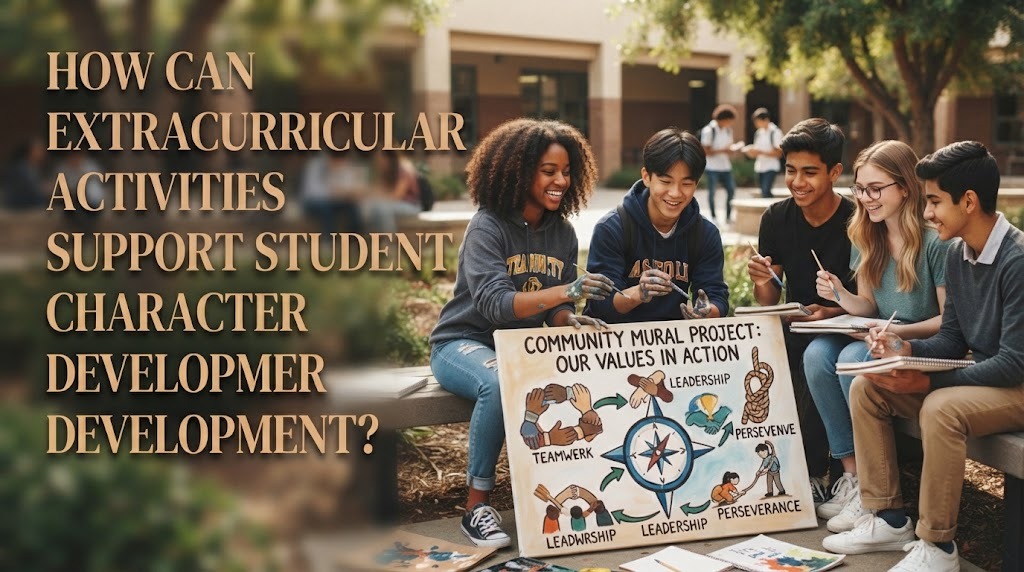
Extracurricular activities are activities that students participate in outside regular classroom lessons. Examples include sports, music, art, student organizations, clubs, and community service. These activities give students opportunities to practice skills and values in real situations. They can learn how to work with others, manage responsibilities, solve problems, and handle challenges. Therefore, extracurricular activities can make an important contribution to student character development.
DEVELOPING RESPONSIBILITY
Extracurricular activities can teach students responsibility because they often have specific duties within a team or organization. A student may be responsible for preparing equipment, completing a project, attending practice, or helping organize an event. These responsibilities encourage students to understand that their actions can affect other members. When students complete their duties consistently, they become more reliable. These habits can also be useful in academic and personal life.
Students can also learn to take responsibility when something does not go according to plan. Instead of immediately blaming someone else, they can identify their role in the situation and think about possible solutions. Teachers, coaches, and activity leaders can guide students through this process. Such experiences help students develop accountability and self-management. Over time, responsibility can become a natural part of their behavior.
BUILDING TEAMWORK AND COOPERATION
Many extracurricular activities require students to work together toward a shared goal. Sports teams, school clubs, music groups, and student organizations all depend on teamwork and cooperation. Students learn to communicate, divide tasks, listen to suggestions, and support other members. They also discover that individual success is not always the same as group success. These experiences can help students understand the value of cooperation.
Team activities also teach students how to handle differences. Group members may have different opinions, abilities, or working styles. Students can learn to discuss disagreements respectfully instead of creating unnecessary conflict. Cooperation and mutual respect can make teams more effective. These social skills can later help students work successfully with classmates, colleagues, and other members of society.
DEVELOPING LEADERSHIP SKILLS
Extracurricular activities provide students with opportunities to practice leadership. Students may become team captains, club officers, event coordinators, or project leaders. These roles require them to make decisions, communicate with others, and organize activities. Students can learn that good leadership is not simply about giving instructions. It also involves listening, supporting team members, and taking responsibility for decisions.
Leadership experiences can also improve students' confidence. Students may initially feel nervous about speaking in front of others or managing a group. With practice, they can become more comfortable expressing ideas and solving problems. They can learn from mistakes and improve their leadership style over time. Practical leadership experiences can prepare students for responsibilities in higher education, workplaces, and communities.
STRENGTHENING DISCIPLINE AND TIME MANAGEMENT
Extracurricular activities can help students develop discipline and time management. Students often need to balance practices, meetings, competitions, school assignments, and personal activities. This requires them to organize their schedules and decide which tasks should be completed first. Regular participation also teaches students the importance of arriving on time and preparing properly. These habits can support better organization in other areas of life.
Time management becomes especially important when students have several responsibilities at once. They can learn to create priorities instead of delaying important tasks. If students manage their time effectively, they can participate in activities without ignoring their academic responsibilities. This experience teaches balance and self-discipline. Such skills can become valuable habits as students take on greater responsibilities in the future.
BUILDING CONFIDENCE AND RESILIENCE
Extracurricular activities can create opportunities for students to develop self-confidence. Performing on stage, competing in sports, presenting a project, or leading a group can push students outside their comfort zones. Successfully completing these challenges can make students more confident in their abilities. Even when they make mistakes, they can learn that mistakes are part of the learning process. This can encourage them to try again rather than avoid difficult situations.
Students may also experience failure during extracurricular activities. A team may lose a competition, a performance may not go as planned, or a project may face unexpected problems. These experiences can teach resilience, which is the ability to recover and continue after difficulties. Students can learn to evaluate what happened and identify ways to improve. This mindset can help them handle challenges in school and everyday life.
TEACHING RESPECT AND FAIRNESS
Extracurricular activities can teach students important values such as respect, fairness, and sportsmanship. Students learn to respect teammates, opponents, coaches, teachers, and activity leaders. In competitions, they can learn that winning is not the only goal. Following rules and treating others fairly are also important parts of participation. These experiences help students understand that success should not come at the expense of others.
Respect is also important when students have different abilities or opinions. Stronger students can support those who are still learning instead of making them feel inferior. Students can learn to appreciate different contributions within a group. Fair treatment and respectful communication can create a healthier activity environment. These values can then influence how students behave outside extracurricular activities.
ENCOURAGING SOCIAL AND EMOTIONAL GROWTH
Extracurricular activities provide students with opportunities to develop social and emotional skills. Students interact with different people and learn how to communicate in various situations. They may experience excitement, disappointment, pressure, disagreement, and success while participating in activities. Learning how to manage these emotions can support emotional maturity. Students can also become more aware of how their behavior affects others.
These activities can provide a sense of belonging and connection. Students may build friendships with people who share similar interests and goals. Feeling accepted within a group can encourage positive social behavior and cooperation. However, activities should remain inclusive and supportive so that students do not feel pressured or excluded. A positive environment can make extracurricular participation more meaningful for character development.
CONCLUSION
Extracurricular activities can strongly support student character development by giving students practical opportunities to practice positive values. Through sports, clubs, arts, organizations, and community activities, students can develop responsibility, teamwork, leadership, discipline, confidence, resilience, respect, and emotional skills. These qualities are difficult to develop through theory alone because students also need opportunities to apply them in real situations. Schools can make extracurricular programs more effective by creating safe, inclusive, and supportive environments. With meaningful participation, extracurricular activities can help students become more responsible, confident, cooperative, and prepared for future challenges.
Recent Posts

Bagaimana Sistem SKS pada Program Kuliah... 22.11.2026/35 View

How Does Technology Make Daily Evaluation... 21.11.2026/69 View

Apa Strategi Menghadapi Kesenjangan antara Kompetensi... 21.11.2026/69 View

Mengapa Inventaris Aset Penting bagi Kelancaran... 21.11.2026/67 View

When Should Musicians Join a Record... 21.11.2026/68 View
