

How Can Fake Identity Fraud Affect Recruitment and Employment?
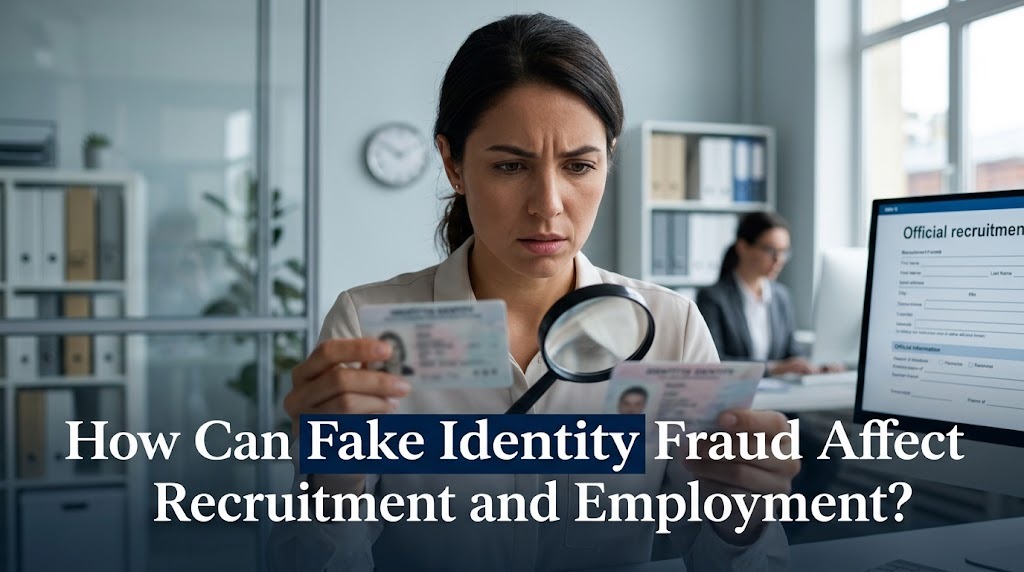
Fake identity fraud can create serious problems in recruitment and employment. As companies increasingly use digital recruitment platforms, online applications, and electronic document verification, the risk of identity-related fraud has also increased. Some individuals may use false personal information, stolen identities, or forged documents to obtain jobs illegally.
This type of fraud can affect both employers and job applicants. Companies may unknowingly hire individuals who provide misleading information, while legitimate applicants may face unfair competition or become victims of identity theft. Understanding how fake identity fraud works and its consequences is important for creating a safer and more trustworthy recruitment process.
HOW FAKE IDENTITY FRAUD OCCURS DURING RECRUITMENT
Fake identity fraud during recruitment happens when someone provides false or stolen personal information to appear qualified for a job. This may involve using another person's name, changing educational records, submitting forged certificates, or providing inaccurate employment history. Some applicants may also use fake identification documents to pass the initial recruitment process. These actions are intended to deceive employers and increase the chances of getting hired.
Digital recruitment has created additional opportunities for this type of fraud. Applications can be submitted remotely, making it more difficult for employers to immediately confirm whether an applicant's identity is genuine. Fraudsters may also create fake professional profiles or use another person's information to attend online interviews. Without proper verification procedures, these fraudulent applications can go unnoticed until after employment begins.
THE IMPACT OF FAKE IDENTITIES ON EMPLOYERS
Fake identity fraud can cause significant financial and operational losses for employers. When a company hires someone using false information, it may spend money on recruitment, training, salaries, and employee benefits for an individual who does not meet the stated requirements. If the employee lacks the necessary qualifications, their performance may also negatively affect productivity and workplace quality. In certain industries, hiring unqualified individuals can create additional safety risks.
Another major concern is the protection of company information. An individual using a stolen identity may attempt to gain access to confidential documents, customer records, financial information, or internal systems. This situation can increase the risk of data breaches and other security incidents. Employers may also experience reputational damage if customers or business partners discover that their recruitment procedures failed to identify fraudulent applicants.
HOW FAKE IDENTITY FRAUD AFFECTS JOB APPLICANTS AND EMPLOYEES
Fake identity fraud does not only harm employers but can also create difficulties for legitimate job seekers. Applicants who use accurate personal information may have to compete against individuals who exaggerate their qualifications or submit fraudulent documents. This can make recruitment less fair and reduce opportunities for candidates who genuinely meet the job requirements. It may also decrease public trust in the hiring process.
People whose identities are stolen can experience even more serious consequences. Their personal information may be used by someone else to apply for jobs, complete employment documents, or access workplace benefits. As a result, victims may face confusion involving employment records, tax information, or other administrative matters. They may need to spend considerable time reporting the incident and proving that they were not responsible for the fraudulent activities.
THE LEGAL AND PROFESSIONAL CONSEQUENCES OF EMPLOYMENT FRAUD
Using a fake identity to obtain employment may result in serious legal and professional consequences. Depending on the circumstances and applicable laws, submitting forged documents, using another person's identity, or intentionally providing false information may lead to criminal investigations or legal penalties. Employees involved in such activities may also lose their jobs if the fraud is discovered. However, the specific consequences depend on the type of fraud, the evidence, and the laws that apply.
Fake identity fraud can also damage a person's professional reputation. Employers may become less willing to trust individuals who have been involved in dishonest recruitment practices. In some cases, fraudulent employment information can affect future background checks and professional opportunities. These consequences demonstrate why honesty and accurate documentation are essential throughout the recruitment process.
HOW COMPANIES CAN PREVENT FAKE IDENTITY FRAUD IN RECRUITMENT
Companies can reduce fake identity fraud by implementing reliable identity verification procedures. During recruitment, employers should check official identification documents, verify educational qualifications, and confirm previous employment records when appropriate. They should also ensure that the information provided by applicants matches reliable sources. These procedures help identify inconsistencies before a candidate receives a job offer.
Technology can provide additional protection against fraudulent applications. Digital identity verification systems, document authentication tools, and secure background-check platforms can help employers detect suspicious information. Companies should also protect employee databases and restrict access to sensitive information based on job responsibilities. Regular security training can help recruitment teams recognize common warning signs of identity fraud.
Employers must also handle personal information responsibly. Verification procedures should follow applicable privacy and employment regulations, use appropriate consent where required, and collect only information necessary for recruitment. Combining technology, human judgment, and clear recruitment policies can create a more secure hiring environment.
CONCLUSION
Fake identity fraud can negatively affect recruitment and employment by creating financial losses, reducing hiring fairness, threatening company security, and damaging professional reputations. It can also harm individuals whose personal information is stolen and misused without their knowledge. Therefore, employers need to establish reliable identity verification procedures and protect sensitive employee information. Meanwhile, job applicants should provide accurate documents and remain careful when sharing personal data. A transparent and secure recruitment process is essential for building trust between employers and employees.
Recent Posts

Bagaimana Sistem SKS pada Program Kuliah... 22.11.2026/37 View

How Does Technology Make Daily Evaluation... 21.11.2026/70 View

Apa Strategi Menghadapi Kesenjangan antara Kompetensi... 21.11.2026/73 View

Mengapa Inventaris Aset Penting bagi Kelancaran... 21.11.2026/68 View

When Should Musicians Join a Record... 21.11.2026/71 View
