

How Can Fake Identity Fraud Harm Its Victims?
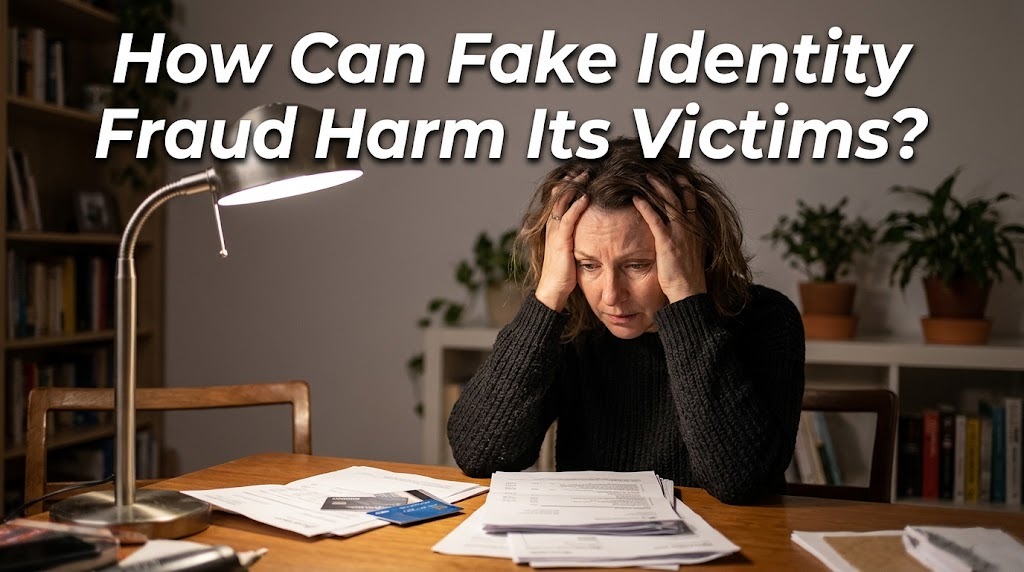
Fake identity fraud is a serious problem that can cause significant harm to individuals in both the digital and real world. This type of fraud occurs when someone uses false personal information or another person's identity to deceive others, access services, or commit illegal activities. As technology continues to develop, criminals have more opportunities to misuse personal data through social media, online transactions, financial services, and digital platforms.
Victims of fake identity fraud may experience financial losses, damaged reputations, privacy violations, and emotional distress. In some situations, they may also face legal complications because their personal information has been used for criminal activities without their knowledge. Understanding the different ways fake identity fraud can harm its victims is important to improve personal security and prevent further damage.
FINANCIAL LOSSES AND UNAUTHORIZED TRANSACTIONS
One of the most common consequences of fake identity fraud is financial loss. Criminals may use stolen personal information to access bank accounts, apply for loans, create unauthorized credit accounts, or make purchases without the victim's permission. These activities can cause victims to lose money and become responsible for resolving financial problems that they did not create.
In some cases, victims may discover unexpected transactions, unfamiliar debts, or suspicious financial activities under their names. Recovering stolen money can take considerable time, especially when financial institutions require investigations and supporting documents. Victims may also experience difficulties accessing financial services while their accounts or identities are being investigated.
DAMAGE TO PERSONAL REPUTATION AND TRUST
Fake identity fraud can seriously damage a person's reputation, particularly when criminals use their identity to deceive other people. For example, fraudsters may create fake social media accounts using someone's name, photographs, and personal information to spread misleading messages, request money, or conduct scams. People who interact with these accounts may mistakenly believe that the real person is responsible for their actions.
This situation can create misunderstandings, damage friendships, and reduce trust among family members, colleagues, and business partners. Victims may need to spend considerable effort explaining that the fraudulent activities were not connected to them. If false information spreads widely online, restoring their reputation can become even more difficult because digital content may remain accessible for a long time.
PRIVACY VIOLATIONS AND PERSONAL DATA MISUSE
Another serious impact of fake identity fraud is the loss of personal privacy. Criminals may collect and misuse sensitive information such as identification numbers, home addresses, telephone numbers, photographs, and financial details. They can use this information to impersonate victims, access digital accounts, or create fraudulent documents.
The misuse of personal data can also expose victims to additional security threats, including phishing attacks, account takeovers, and targeted scams. Once personal information has been shared or circulated without permission, controlling its distribution becomes difficult. Victims may therefore need to change passwords, secure their accounts, contact relevant institutions, and monitor their personal information to prevent further misuse.
LEGAL PROBLEMS AND EMOTIONAL DISTRESS
Fake identity fraud can create unexpected legal complications for victims. When criminals use another person's identity to commit fraud, conduct illegal transactions, or participate in other unlawful activities, the victim's personal information may appear in documents or investigation records. This can lead to confusion and require the victim to prove that they were not responsible for the activities.
Although victims should not automatically be considered responsible for crimes committed using their identities, resolving these situations may require police reports, official documents, and legal assistance. The investigation process can be stressful and time-consuming, especially when several institutions are involved.
Beyond legal difficulties, victims may experience anxiety, fear, frustration, and a loss of confidence. Some people become worried about using digital services or sharing personal information because they fear becoming victims again. These emotional effects can influence their daily activities, relationships, and overall quality of life.
HOW VICTIMS CAN REDUCE THE IMPACT OF FAKE IDENTITY FRAUD
Taking immediate action is essential when someone discovers that their identity has been misused. Victims should secure affected accounts, change compromised passwords, activate two-factor authentication, and contact their banks or relevant service providers. Reporting suspicious activities to the appropriate authorities can also help establish an official record and support further investigations.
It is equally important to preserve evidence, including suspicious messages, transaction records, screenshots, and notifications. Victims should avoid deleting relevant information before documenting it because these records may help investigators understand what happened. If identity documents have been compromised, they should contact the issuing authority to ask about the appropriate protective measures.
Preventing further fraud also requires regular monitoring of financial accounts and digital activities. People should avoid sharing sensitive personal information with unknown individuals, verify suspicious requests, and use secure websites when providing personal data. These simple precautions can reduce the risk of repeated identity misuse and help victims regain control of their personal information.
CONCLUSION
Fake identity fraud can harm victims in many ways, including financial losses, reputational damage, privacy violations, legal complications, and emotional distress. Its effects can continue long after the initial fraudulent activity, making prevention and early detection extremely important. Victims should respond quickly by securing their accounts, collecting evidence, and reporting identity misuse to the appropriate institutions. With better digital awareness, responsible data protection, and timely action, individuals can reduce the risks and consequences of fake identity fraud.
Recent Posts

Bagaimana Sistem SKS pada Program Kuliah... 22.11.2026/37 View

How Does Technology Make Daily Evaluation... 21.11.2026/70 View

Apa Strategi Menghadapi Kesenjangan antara Kompetensi... 21.11.2026/73 View

Mengapa Inventaris Aset Penting bagi Kelancaran... 21.11.2026/68 View

When Should Musicians Join a Record... 21.11.2026/71 View
