

How Can Free Health Checkups Detect Chronic Disease Risks?
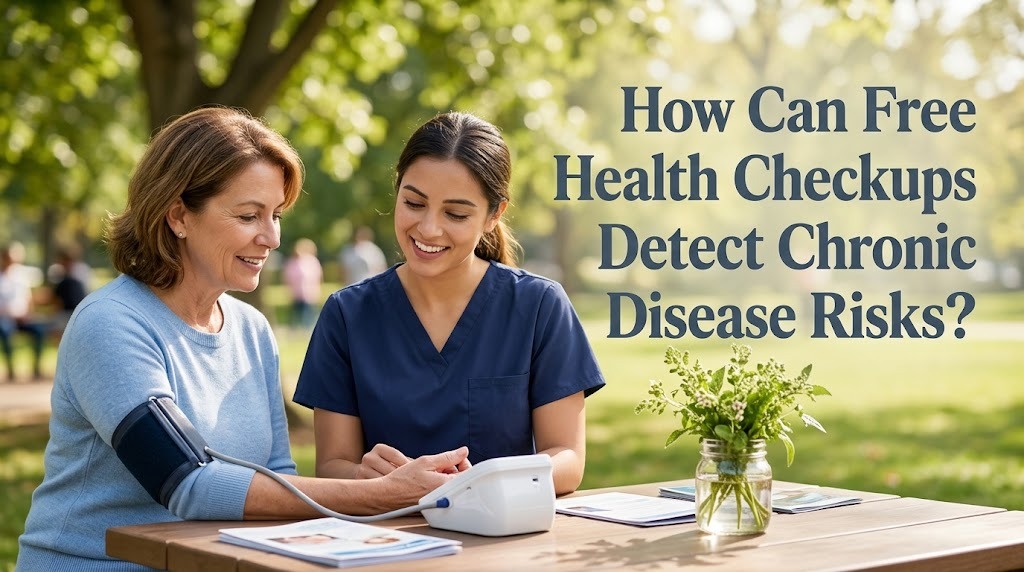
Free health checkups help people identify potential risks of chronic diseases through basic medical examinations and health assessments. Chronic diseases, such as diabetes, heart disease, and high blood pressure, can develop gradually without causing noticeable symptoms in their early stages. Many people may not realize they have a health problem until their condition becomes more serious. Through health screening services, individuals can learn about important health indicators and recognize possible warning signs. Early identification allows people to seek medical advice, make healthier lifestyle changes, and receive further examinations when needed.
CHECKING BLOOD PRESSURE LEVELS
Blood pressure measurement is one of the common examinations used to identify the risk of cardiovascular diseases. High blood pressure, also known as hypertension, often develops without clear symptoms. During a free health checkup, healthcare professionals can measure blood pressure and determine whether the results are within the expected range. Repeated high readings may indicate a need for further evaluation and medical attention. Identifying this risk early can encourage individuals to monitor their blood pressure and follow appropriate health recommendations.
MEASURING BLOOD SUGAR LEVELS
Blood sugar testing can help identify the risk of diabetes, a chronic condition that affects how the body regulates glucose. High blood sugar levels may occur before a person experiences noticeable symptoms. Depending on the program and examination guidelines, participants may receive a blood glucose test or another suitable screening. Unusual results can indicate a possible risk of diabetes and may require additional tests to confirm the condition. Early awareness can help individuals improve their eating habits, increase physical activity, and seek medical guidance.
MONITORING BODY WEIGHT AND BODY MASS INDEX
Body weight and Body Mass Index (BMI) can provide useful information about a person's nutritional status and possible health risks. A BMI measurement is calculated using a person's weight and height. Being overweight or having obesity can increase the risk of conditions such as type 2 diabetes, high blood pressure, and heart disease. During a health checkup, healthcare professionals may use these measurements to assess whether someone needs further health advice. However, BMI is only a screening indicator and does not provide a complete assessment of individual health.
IDENTIFYING CHOLESTEROL AND HEART DISEASE RISKS
Some free health checkup programs may include cholesterol testing or other assessments related to cardiovascular health. High levels of certain blood fats can increase the risk of plaque buildup in the arteries, which may contribute to heart disease and stroke. A blood test can help healthcare professionals understand a person's cholesterol levels and evaluate possible risks. Other factors, such as age, smoking habits, family history, and blood pressure, may also influence cardiovascular health. If the results indicate a concern, additional examinations or medical advice may be recommended.
RECOGNIZING RISK FACTORS FROM MEDICAL HISTORY
Health checkups do not rely only on physical measurements because personal medical history also provides important information. Healthcare professionals may ask about previous illnesses, family history of chronic diseases, medication use, and daily lifestyle habits. For example, having close family members with diabetes or heart disease may increase a person's risk of developing similar conditions. Smoking, limited physical activity, and unhealthy eating habits can also contribute to long-term health problems. By understanding these factors, medical staff can provide more appropriate recommendations and determine whether additional screening is necessary.
DETECTING POTENTIAL HEALTH PROBLEMS BEFORE SYMPTOMS APPEAR
One important purpose of chronic disease screening is to identify possible health problems before noticeable symptoms develop. Conditions such as hypertension and type 2 diabetes can remain undetected for a long time. Regular examinations give individuals an opportunity to check important health indicators even when they feel healthy. If an unusual result is found, healthcare professionals can recommend further testing to understand the person's condition. This approach supports early medical attention and may reduce the risk of complications through appropriate care.
PROVIDING GUIDANCE FOR DISEASE PREVENTION
Free health checkups can also help people understand how to reduce their risk of chronic diseases. After reviewing examination results, healthcare professionals may recommend changes based on individual needs. These recommendations can include eating balanced meals, exercising regularly, maintaining a healthy weight, avoiding tobacco, and getting enough sleep. People who have certain risk factors may also need regular monitoring or additional medical examinations. Following professional advice can support better health management and help prevent some long-term health problems.
ENCOURAGING REGULAR HEALTH MONITORING
A single health checkup cannot identify every chronic disease or provide a complete picture of someone's long-term health. Some conditions require repeated measurements and additional tests to understand how they develop over time. Regular monitoring can help individuals and healthcare professionals recognize changes in blood pressure, blood sugar, weight, or other health indicators. It can also help evaluate whether lifestyle changes and medical treatment are working effectively. The recommended frequency of examinations depends on a person's age, health condition, and individual risk factors.
CONCLUSION
Free health checkups can detect chronic disease risks through blood pressure measurements, blood sugar tests, body weight assessments, and other health evaluations. They also help identify personal risk factors by reviewing medical history and lifestyle habits. Although screening results do not always confirm a diagnosis, they can indicate when further medical examinations are necessary. By understanding their health risks and following professional recommendations, individuals can take earlier steps to protect their health and reduce the possibility of serious complications.
Recent Posts

Bagaimana Sistem SKS pada Program Kuliah... 22.11.2026/48 View

How Does Technology Make Daily Evaluation... 21.11.2026/76 View

Apa Strategi Menghadapi Kesenjangan antara Kompetensi... 21.11.2026/78 View

Mengapa Inventaris Aset Penting bagi Kelancaran... 21.11.2026/73 View

When Should Musicians Join a Record... 21.11.2026/78 View
