

How Can Friendships Help Children Cope with Broken Family Situations?
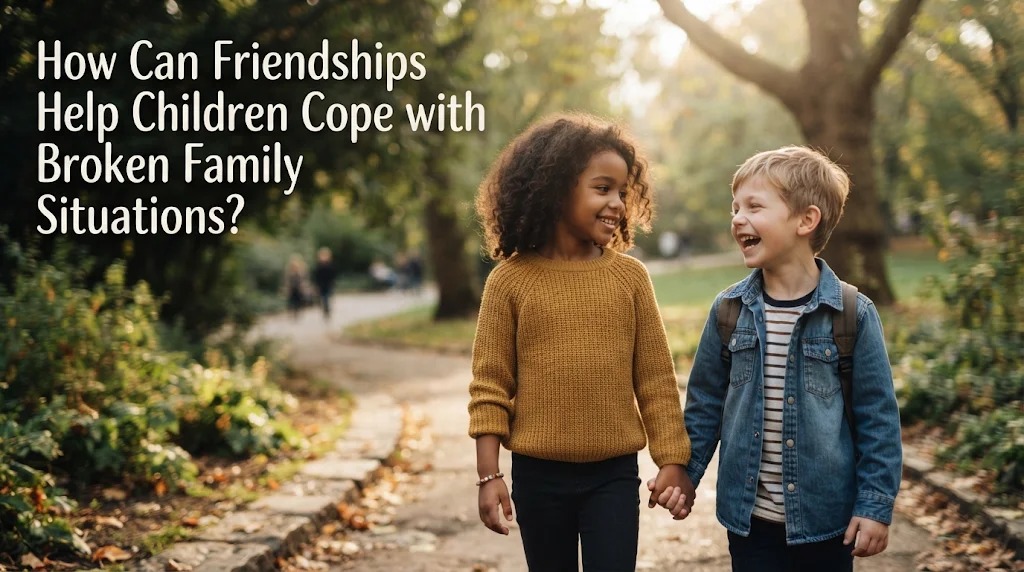
Growing up in a broken family can create emotional challenges for children, especially when they experience parental separation, frequent arguments, or a lack of attention at home. These situations may cause sadness, loneliness, insecurity, and difficulties in building trust. During these difficult times, friendships can become an important source of emotional support and comfort.
Having good friends allows children to share their feelings, enjoy positive experiences, and feel accepted by others. Friends can also help them develop confidence and maintain healthy social relationships. Although friendships cannot replace parental love or solve family problems, supportive friendships can make children feel less alone and help them cope with difficult family situations.
PROVIDING EMOTIONAL SUPPORT AND COMFORT
Friendships can provide emotional support for children who experience problems within their families. Having someone who listens to their stories can help them express sadness, disappointment, and confusion. Sometimes, children find it difficult to discuss family problems with their parents because they are afraid of causing additional conflict. Talking to trusted friends can make them feel more comfortable and understood.
Friends can also offer encouragement when children feel lonely or overwhelmed. Simple activities such as talking, playing, studying together, or spending time with friends can improve their mood. Feeling accepted by others helps children understand that they are not alone in facing difficult situations. However, children should also have trusted adults they can approach when their problems require additional guidance.
BUILDING SELF-CONFIDENCE AND A SENSE OF BELONGING
Children from broken families may sometimes feel different from their classmates because their family circumstances are not the same. This situation can reduce their self-confidence and make them afraid of being judged. Supportive friendships can help them feel accepted regardless of their family background. When friends appreciate their personalities and abilities, children can develop a more positive view of themselves.
A sense of belonging is also important for emotional development. Being included in group activities, conversations, and social events helps children recognize that they are valued members of their social environment. They can gradually become more comfortable expressing opinions and participating in different activities. Positive friendships remind children that their identity and personal worth are not determined by their family problems.
REDUCING STRESS AND FEELINGS OF LONELINESS
Family conflicts can create stress that affects children's daily lives. They may constantly think about problems at home, making it difficult to relax and enjoy their childhood. Spending time with supportive friends can provide temporary relief from these stressful situations. Enjoyable activities can help children experience happiness and maintain a healthier emotional balance.
Friendships can also reduce feelings of loneliness by giving children opportunities to communicate and interact with others. Having friends to study, play, or participate in hobbies with can make their daily routines more enjoyable. These positive experiences may help them manage difficult emotions more effectively. Nevertheless, friendships should complement, rather than replace, appropriate support from family members and other trusted adults.
DEVELOPING SOCIAL SKILLS AND HEALTHY RELATIONSHIPS
Friendships provide opportunities for children to learn important social skills. Through everyday interactions, they practice communication, cooperation, empathy, and problem-solving. These abilities are especially valuable for children who have experienced unhealthy communication or frequent disagreements within their families. Positive friendships can show them that relationships can be built through mutual respect and understanding.
Children also learn how to handle disagreements without damaging their relationships. They discover the importance of listening, respecting differences, apologizing, and establishing personal boundaries. These experiences help them develop healthier ways of interacting with other people. Over time, positive social experiences can strengthen their confidence in building meaningful relationships.
ENCOURAGING POSITIVE ACTIVITIES AND PERSONAL DEVELOPMENT
Supportive friends can encourage children to participate in activities that improve their personal development. They may invite each other to join sports, school organizations, creative projects, or other positive activities. These experiences help children discover their interests, develop talents, and build new skills. Staying involved in enjoyable activities can also reduce excessive focus on stressful family situations.
Friendships can provide positive motivation in education and daily routines. For example, friends can study together, share knowledge, remind each other about assignments, and encourage one another to achieve personal goals. Having supportive companions can make children feel more motivated and optimistic about their future. These positive influences help them recognize that they still have opportunities to grow and succeed despite difficult family circumstances.
CHOOSING HEALTHY FRIENDSHIPS AND SEEKING ADULT SUPPORT
Although friendships can provide many benefits, not every friendship has a positive influence. Children should build relationships with friends who respect their feelings, maintain trust, and avoid making fun of their family circumstances. They should also recognize that healthy friendships involve mutual understanding rather than pressure or manipulation. Choosing supportive friends can help protect their emotional well-being.
Parents, teachers, and caregivers also play an important role in helping children develop positive friendships. They can encourage participation in school activities, create safe social environments, and pay attention to changes in children's behavior. If children experience persistent sadness, anxiety, or serious emotional difficulties, professional support may be necessary. Combining healthy friendships with guidance from trusted adults can provide stronger support during challenging family situations.
CONCLUSION
Friendships can help children cope with broken family situations by providing emotional support, reducing loneliness, building self-confidence, and encouraging positive personal development. Through healthy relationships, children can learn important social skills and understand the value of trust, respect, and mutual support. Although friends cannot replace the role of parents, their presence can make difficult experiences easier to manage. With supportive friendships and guidance from trusted adults, children can develop emotional resilience and maintain a positive outlook on life.
Recent Posts

How Does Technology Make Daily Evaluation... 21.11.2026/57 View

Apa Strategi Menghadapi Kesenjangan antara Kompetensi... 21.11.2026/59 View

Mengapa Inventaris Aset Penting bagi Kelancaran... 21.11.2026/54 View

When Should Musicians Join a Record... 21.11.2026/54 View

Daily Evaluation or Daily Planning Which... 21.11.2026/61 View
