

How Can Good Communication Strengthen Relationships Among Extended Family Members?
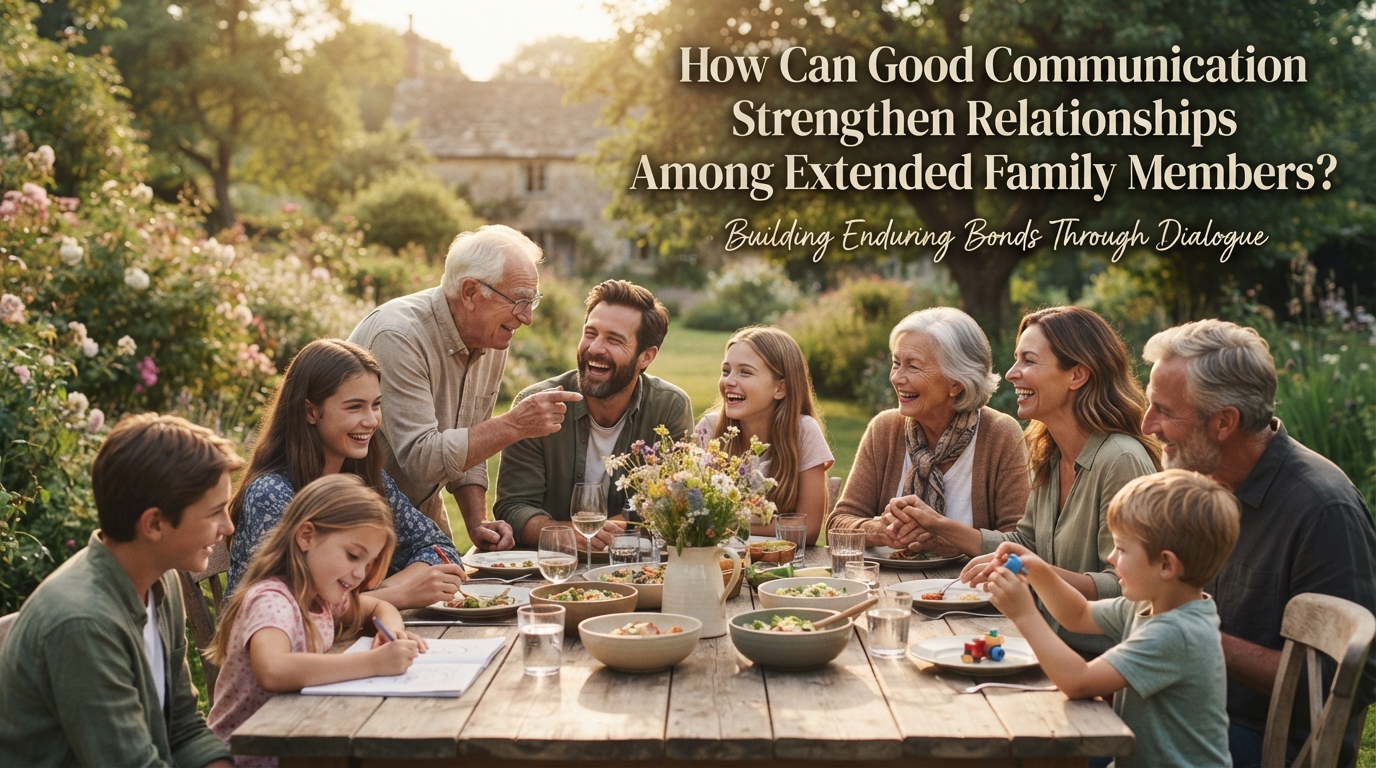
Good communication plays an important role in maintaining strong relationships among extended family members. In a large family, relatives may have different personalities, opinions, lifestyles, and responsibilities. Without clear and respectful communication, misunderstandings can easily occur and create distance between family members. Therefore, maintaining open conversations is essential for building trust, understanding, and lasting relationships.
Good communication allows family members to share their thoughts, express their feelings, discuss problems, and support one another. It also helps relatives stay connected even when they live in different locations or have busy schedules. By developing healthy communication habits, extended families can create a more harmonious environment where everyone feels respected, valued, and included.
BUILDING TRUST AND MUTUAL UNDERSTANDING
One of the main benefits of good communication is building trust and mutual understanding among family members. When relatives communicate honestly, they can share information, express their concerns, and explain their feelings without being afraid of being judged. This openness helps family members understand one another's situations and intentions. As a result, relationships become more comfortable and meaningful.
Trust also develops when family members consistently keep their promises, respect privacy, and communicate honestly. For example, relatives who discuss family matters openly are less likely to make incorrect assumptions about one another. Mutual understanding makes it easier to maintain positive relationships despite differences in age, personality, or lifestyle.
PREVENTING MISUNDERSTANDINGS AND FAMILY CONFLICTS
Good communication helps prevent misunderstandings that may lead to unnecessary family conflicts. In an extended family, disagreements can happen because relatives have different expectations, opinions, and ways of expressing themselves. Sometimes, a simple message can be misunderstood when people do not clarify its meaning. Discussing issues directly and calmly can prevent small problems from becoming larger disagreements.
Family members should avoid making assumptions or spreading unverified information about other relatives. Instead, they should ask questions, listen to explanations, and focus on the actual problem. When disagreements occur, using polite language and maintaining emotional control can make discussions more productive. These habits help families resolve conflicts while protecting their relationships.
IMPROVING EMOTIONAL SUPPORT AND FAMILY CARE
Communication allows extended family members to provide emotional support when someone experiences difficult situations. Through conversations, relatives can share personal problems, express worries, and receive encouragement from people they trust. Simple actions, such as asking about someone's well-being or listening to their concerns, can make a significant difference. This attention helps family members feel appreciated and less isolated.
In addition, good communication helps relatives recognize when someone needs assistance. For example, grandparents may need companionship, parents may require support with family responsibilities, or younger members may need advice about education and personal challenges. By maintaining regular conversations, family members can understand these needs and offer appropriate help. This creates a stronger sense of care and togetherness.
STRENGTHENING RELATIONSHIPS BETWEEN GENERATIONS
Extended families often consist of several generations with different experiences, interests, and communication styles. Good communication helps strengthen intergenerational relationships by creating opportunities for older and younger family members to exchange knowledge. Grandparents can share life experiences and family history, while younger relatives can introduce new ideas, technology, and modern perspectives. This exchange encourages mutual respect and appreciation.
It is also important to adapt communication to each generation's needs. Older family members may prefer direct conversations or phone calls, while younger relatives may feel more comfortable using digital messaging applications. Respecting these preferences makes communication easier and more inclusive. As a result, family members can maintain meaningful connections despite differences in age and lifestyle.
ENCOURAGING OPEN DISCUSSIONS AND FAMILY DECISIONS
Good communication makes it easier for relatives to participate in family discussions and decision-making. In an extended family, important matters may involve financial arrangements, family gatherings, caregiving responsibilities, or support for relatives. Open discussions allow everyone involved to share opinions and explain their needs before decisions are made. This approach helps reduce confusion and encourages cooperation.
Family decisions should consider the circumstances and responsibilities of each person. For example, when planning a family event, relatives can discuss the location, schedule, budget, and individual contributions. Listening to different suggestions helps create fairer arrangements and prevents unnecessary disagreements. When family members feel that their opinions matter, they are more likely to respect and support the final decisions.
MAINTAINING FAMILY CONNECTIONS THROUGH REGULAR COMMUNICATION
Regular communication helps extended family members maintain strong connections, especially when they live far apart. Work, education, and personal responsibilities can make it difficult for relatives to meet frequently. However, distance does not have to weaken family relationships when everyone makes an effort to stay in touch. Phone calls, video calls, text messages, and family group chats can help relatives remain connected.
Family members can also arrange regular gatherings or virtual meetings to share news and celebrate important occasions. These activities create opportunities to exchange experiences and maintain a sense of belonging. Consistent communication does not always require long conversations because even short messages can show care and attention. What matters most is making communication a regular part of family life.
DEVELOPING RESPECT AND ACCEPTANCE OF DIFFERENCES
Every extended family has members with different beliefs, personalities, interests, and lifestyles. Good communication encourages respect and acceptance of differences instead of forcing everyone to have the same opinions. By listening carefully and considering other perspectives, relatives can understand why people make different choices. This attitude helps create a healthier family environment.
Respectful communication also requires choosing appropriate words, avoiding hurtful comments, and allowing others to express themselves. Family members should understand that disagreements do not always mean a lack of love or care. When differences are handled with patience and maturity, relationships can remain strong. Acceptance helps every family member feel valued without losing their individual identity.
CONCLUSION
Good communication strengthens relationships among extended family members by building trust, preventing misunderstandings, providing emotional support, and encouraging cooperation. It also connects different generations, improves family decision-making, and helps relatives maintain relationships despite distance and personal differences.
To develop healthy family relationships, everyone should practice honest communication, active listening, mutual respect, and regular interaction. These habits create a supportive atmosphere where relatives feel heard, understood, and appreciated. Ultimately, strong communication helps extended families maintain harmony and build lasting connections across generations.
Recent Posts

How Does Technology Make Daily Evaluation... 21.11.2026/57 View

Apa Strategi Menghadapi Kesenjangan antara Kompetensi... 21.11.2026/59 View

Mengapa Inventaris Aset Penting bagi Kelancaran... 21.11.2026/55 View

When Should Musicians Join a Record... 21.11.2026/54 View

Daily Evaluation or Daily Planning Which... 21.11.2026/61 View
