

How Can Good Self Presentation Help Students Prepare for the Workplace?
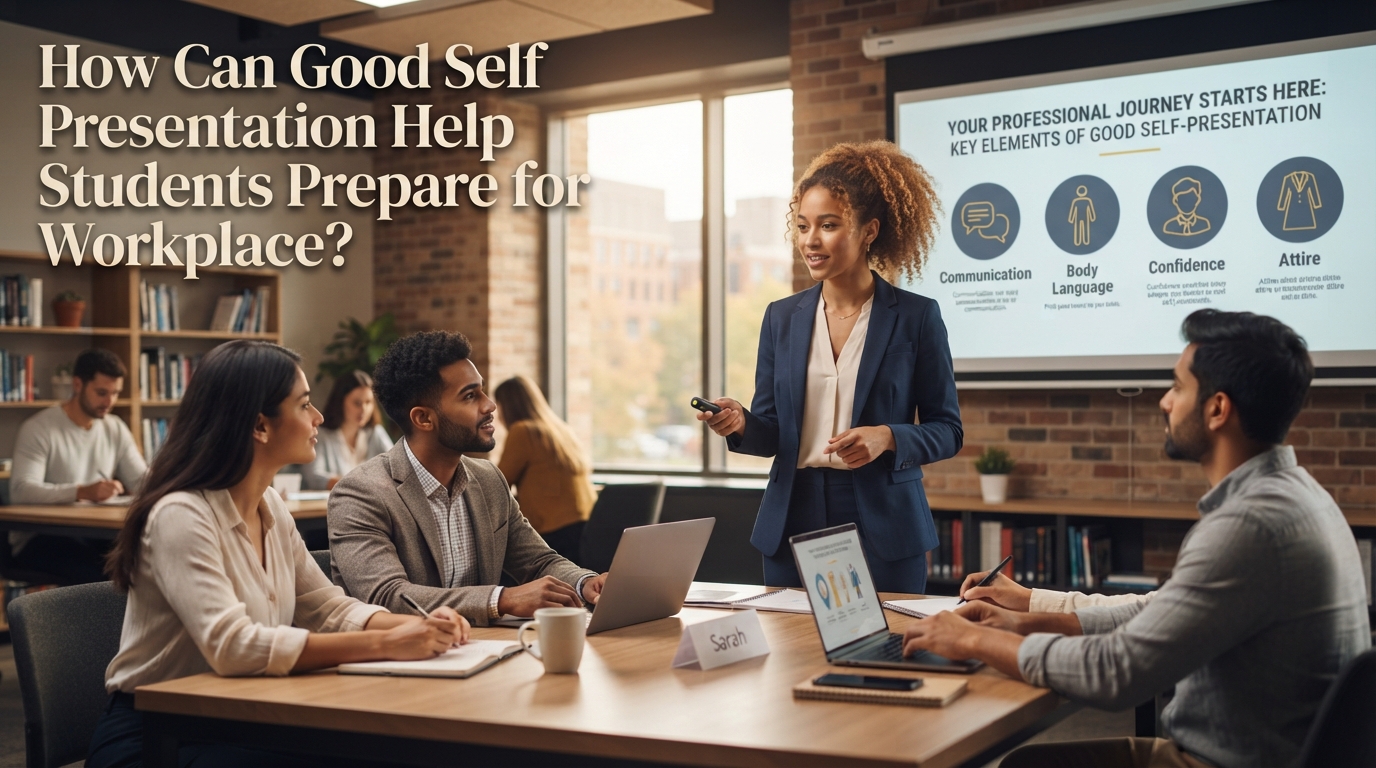
Preparing for the workplace requires more than academic knowledge and technical abilities. Students also need to develop good self-presentation to demonstrate their confidence, professionalism, and readiness to work with others. Self-presentation refers to how individuals communicate their personality, attitudes, appearance, and behavior in different situations. These qualities can influence how lecturers, employers, colleagues, and professional networks perceive someone. By developing positive self-presentation habits while studying, students can build a strong personal image and prepare themselves for future career opportunities.
1. BUILDING CONFIDENCE IN PROFESSIONAL SITUATIONS
Good self-presentation helps students develop confidence when entering professional environments. Students who understand their strengths and abilities are generally better prepared to introduce themselves, share ideas, and participate in discussions. Confidence is particularly important during job interviews, presentations, meetings, and workplace interactions. Maintaining eye contact, speaking clearly, and using appropriate body language can help students communicate more effectively. These habits make it easier for them to demonstrate their abilities without appearing arrogant.
Confidence also helps students manage nervousness when facing unfamiliar situations. For example, students who practice introducing themselves in front of others may become more comfortable when meeting recruiters or potential employers. They can also learn to respond to questions calmly and explain their qualifications more clearly. Self-confidence does not mean knowing everything but having the courage to learn, communicate, and improve. Developing this quality early can make the transition from campus life to professional life easier.
2. CREATING A POSITIVE FIRST IMPRESSION
A first impression can influence how people initially perceive a student in a professional environment. During interviews, internships, or networking events, appearance and behavior are often noticed before someone has the opportunity to demonstrate their technical abilities. Wearing clean and appropriate clothing, maintaining personal hygiene, and arriving on time can show professionalism. A polite greeting and friendly attitude can also make interactions more comfortable. These simple habits help students communicate that they take professional opportunities seriously.
However, creating a positive first impression is not only about physical appearance. Attitude, communication, and respectful behavior are equally important in showing personal character. Students should avoid exaggerating their achievements or pretending to have abilities they do not possess. Instead, they should present their qualifications honestly and demonstrate a willingness to learn. A genuine and professional impression can help establish trust from the beginning.
3. IMPROVING COMMUNICATION AND INTERPERSONAL SKILLS
Communication is an essential ability in almost every workplace. Employees need to explain ideas, discuss tasks, share information, and cooperate with people from different backgrounds. Good self-presentation encourages students to practice speaking clearly, choosing appropriate words, and listening carefully. These skills can be developed through classroom discussions, group assignments, presentations, and student organizations. Regular practice helps students become more comfortable communicating in formal and informal situations.
Interpersonal skills are also important because professional success often depends on the ability to work with others. Students should learn to respect different opinions, manage disagreements, and provide constructive feedback. Listening actively and responding politely can prevent misunderstandings during teamwork. These behaviors demonstrate that someone can maintain healthy professional relationships. By improving communication and interpersonal skills, students can become more prepared to collaborate in the workplace.
4. DEVELOPING A PROFESSIONAL ATTITUDE AND RESPONSIBILITY
A professional attitude helps students understand the expectations of the working world. Employers generally value individuals who demonstrate discipline, honesty, responsibility, and respect. Students can practice these qualities by completing assignments on time, following organizational rules, and taking responsibility for their decisions. Participating in campus activities can also teach them how to manage duties and work according to agreed schedules. These experiences provide valuable preparation for professional responsibilities.
Responsibility also means being willing to acknowledge mistakes and find solutions. In the workplace, problems may occur because of misunderstandings, unexpected changes, or incomplete information. Students who develop a positive attitude can learn to respond calmly instead of blaming others. Professionalism is demonstrated through consistent actions, not simply through formal clothing or impressive words. Building these habits during college can help students become reliable employees in the future.
5. STRENGTHENING PERSONAL BRANDING AND CAREER OPPORTUNITIES
Personal branding refers to the way individuals communicate their strengths, values, skills, and professional identity to others. Good self-presentation helps students build a personal image that reflects their abilities and career interests. For example, students can highlight their academic achievements, organizational experiences, projects, and relevant skills when creating a professional resume or online profile. A clear and honest personal image can help recruiters understand what a candidate can contribute. This can also make students more prepared when applying for internships or entry-level positions.
In addition, a positive personal brand can support networking and career development. Students who communicate professionally and maintain good relationships may receive information about job openings, internships, or professional events. They can also use platforms such as LinkedIn to share relevant achievements and connect with people in their chosen industries. However, personal branding should remain authentic and consistent with real abilities and experiences. A trustworthy professional image can create valuable opportunities over time.
6. PREPARING FOR JOB INTERVIEWS AND RECRUITMENT
Job interviews are important opportunities for students to demonstrate their qualifications and personality to potential employers. Good self-presentation helps candidates introduce themselves, explain their experiences, and answer questions confidently. Students should prepare by learning about the company, understanding the position, and practicing common interview questions. They should also choose appropriate clothing and arrive on time for the interview. These preparations demonstrate seriousness and respect for the recruitment process.
During an interview, students should maintain natural eye contact, listen carefully, and provide clear answers supported by relevant examples. They should avoid giving false information about their education, achievements, or work experience. If they do not know an answer, responding honestly while showing a willingness to learn is better than making unsupported claims. Interview preparation combined with professional communication can help candidates present their strengths effectively. These habits can improve their readiness for recruitment and future workplace challenges.
7. BUILDING ADAPTABILITY AND PROFESSIONAL RELATIONSHIPS
Every workplace has different rules, expectations, communication styles, and working cultures. Good self-presentation helps students understand the importance of adapting their behavior to different professional situations. For example, communicating with a supervisor may require a more formal approach than talking with close colleagues. Students should also learn to accept feedback and adjust their working methods when necessary. Adaptability allows individuals to respond positively to new responsibilities and changing circumstances.
Building professional relationships is another important part of workplace preparation. Students can begin developing this ability through internships, campus organizations, seminars, and collaborative projects. Being approachable, respectful, and cooperative can help them establish connections with lecturers, classmates, mentors, and professionals. Maintaining these relationships requires consistent communication and mutual respect. Strong professional relationships can support personal development and provide useful guidance throughout a career.
CONCLUSION
Good self-presentation plays an important role in helping students prepare for the workplace. It supports the development of self-confidence, communication skills, professionalism, personal branding, adaptability, and positive relationships. These qualities help students create a positive impression and demonstrate their readiness to face professional responsibilities. Students can begin developing them through academic activities, organizational experiences, internships, and everyday interactions. Ultimately, good self-presentation is not about pretending to be someone else but about showing personal strengths, maintaining positive behavior, and becoming a responsible professional.
Recent Posts

How Does Technology Make Daily Evaluation... 21.11.2026/55 View

Apa Strategi Menghadapi Kesenjangan antara Kompetensi... 21.11.2026/57 View

Mengapa Inventaris Aset Penting bagi Kelancaran... 21.11.2026/51 View

When Should Musicians Join a Record... 21.11.2026/52 View

Daily Evaluation or Daily Planning Which... 21.11.2026/59 View
