

How Can Government Subsidies Improve People's Quality of Life?
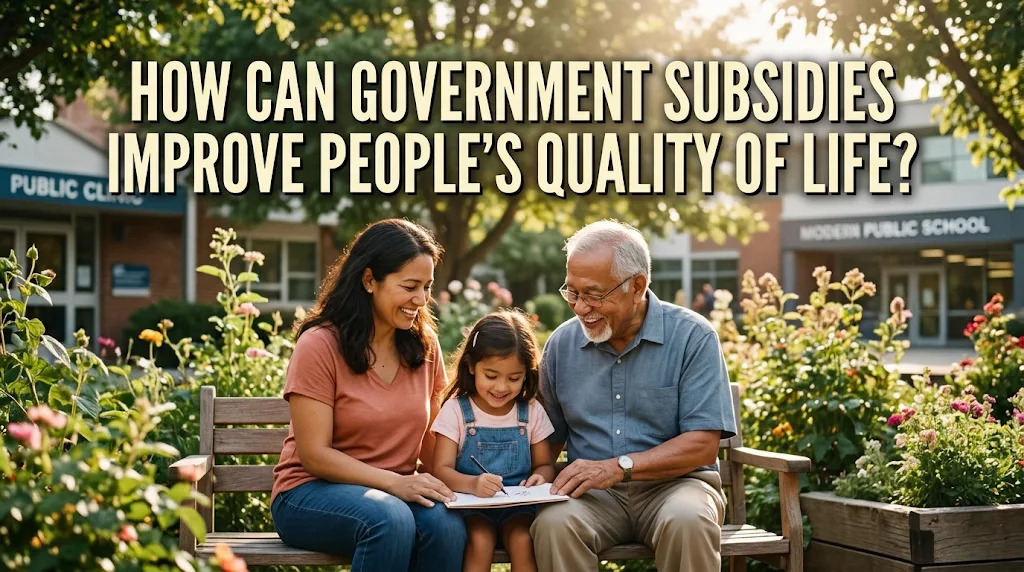
Government subsidies play an important role in improving people's quality of life by making essential goods and services more affordable. Many individuals and families face financial challenges when paying for food, education, healthcare, transportation, electricity, and other daily necessities. These expenses can become particularly difficult for low-income households with limited financial resources. Through targeted financial support, governments can reduce some of these burdens and help people maintain better living conditions.
In Indonesia, subsidies are used to support various sectors that directly influence public welfare and economic development. These programs are intended to improve access to essential services, protect household purchasing power, and support communities facing economic difficulties. However, the benefits of subsidies depend on accurate distribution, effective management, and appropriate government policies. When implemented properly, government subsidies can create meaningful improvements in people's everyday lives.
MAKING ESSENTIAL GOODS AND SERVICES MORE AFFORDABLE
One of the most direct ways government subsidies improve quality of life is by reducing the cost of essential goods and services. Household expenses often include electricity, fuel, food-related necessities, transportation, and other basic requirements. When these costs increase, families may have to reduce spending on important needs or adjust their daily activities. Subsidies can help eligible consumers access certain products and services at more affordable prices.
For example, electricity and fuel subsidies can reduce selected energy expenses for qualifying consumers. This support can help households manage their monthly budgets and allocate more money to other priorities. More affordable essential services can also benefit small businesses and workers who depend on energy and transportation for their activities. As a result, subsidies can help improve financial stability and make everyday living more manageable.
EXPANDING ACCESS TO EDUCATION AND HEALTHCARE
Education and healthcare are essential components of a good quality of life. However, tuition fees, school supplies, medical consultations, and treatment expenses can create financial barriers for many families. Government subsidies and assistance programs help eligible individuals access these services without having to bear the entire financial cost. This support allows more people to pursue education and obtain necessary healthcare.
In Indonesia, education programs such as the Program Indonesia Pintar (PIP) and Kartu Indonesia Pintar Kuliah (KIP Kuliah) support eligible students in continuing their education. In the healthcare sector, the government also supports eligible participants through contribution assistance in the National Health Insurance system (JKN). These initiatives can help reduce financial barriers and improve opportunities for disadvantaged communities. Better access to education and healthcare can contribute to greater knowledge, improved well-being, and stronger opportunities for the future.
REDUCING FINANCIAL PRESSURE ON LOW-INCOME HOUSEHOLDS
Low-income households often spend a significant portion of their available income on basic necessities. This leaves them with limited financial flexibility when facing unexpected expenses, such as medical needs, educational costs, or changes in household income. Government subsidies can reduce some of this pressure by making selected goods and services more affordable. Consequently, eligible families may have more opportunities to manage their budgets and meet essential needs.
Financial support can also help prevent vulnerable households from experiencing deeper economic difficulties. When families receive appropriate assistance, they may be better able to maintain access to food, education, healthcare, and other important services. This can improve household financial security and reduce the risk of certain economic hardships. Nevertheless, subsidies should be combined with employment opportunities, skills development, and broader social protection programs to support lasting improvements.
SUPPORTING EMPLOYMENT AND ECONOMIC OPPORTUNITIES
Government subsidies can contribute to better quality of life by supporting businesses, productive activities, and employment opportunities. When eligible businesses receive financial support or benefit from reduced operating costs, they may have greater opportunities to maintain production, improve services, and expand their operations. These activities can increase demand for workers and support income generation within communities. Small businesses and micro, small, and medium enterprises (MSMEs) may also benefit from relevant government support programs.
In addition, certain subsidies can support sectors that provide essential goods and services to society. Agricultural support, for example, can help eligible farmers manage production expenses and maintain farming activities. When productive sectors become more stable, they can contribute to economic activity and the availability of important products. However, employment and income improvements depend on several factors, including market conditions, business management, infrastructure, and the effectiveness of government policies.
PROMOTING SOCIAL EQUALITY AND COMMUNITY WELFARE
Government subsidies can help create a more inclusive society by improving access to essential services for people with different economic backgrounds. Without financial support, disadvantaged communities may experience greater difficulties accessing education, healthcare, energy, and other basic necessities. Targeted subsidies can reduce some of these differences and provide additional opportunities for vulnerable groups. This is important because quality of life should not depend entirely on a person's financial circumstances.
The benefits of subsidies can also extend to communities as a whole. Better access to education can improve knowledge and skills, while healthcare support can contribute to healthier communities. Affordable essential services can also help people participate more actively in economic and social activities. To achieve these outcomes, governments must maintain transparent distribution systems, accurate beneficiary data, and regular program evaluations. These measures help ensure that public resources are used effectively and reach the people who need them most.
CONCLUSION
Government subsidies can improve people's quality of life by making essential goods and services more affordable, expanding access to education and healthcare, reducing household financial pressure, and supporting economic opportunities. They also contribute to social equality and stronger community welfare when distributed appropriately. However, their effectiveness depends on accurate targeting, transparent management, and sustainable government spending. With well-designed policies, government subsidies can become an important instrument for building a healthier, more productive, and more prosperous society.
Recent Posts

Bagaimana Cara Menghadapi Haters di Dunia... 11.11.2026/35 View

Apa Cara Terbaik Membuktikan Profesionalisme Ketika... 11.11.2026/34 View

Bagaimana Cara Memanfaatkan Artificial Intelligence untuk... 11.11.2026/47 View

Mengapa Konten Kreator Sering Mendapat Komentar... 11.11.2026/36 View
Apa Manfaat Automasi dan Artificial Intelligence... 11.11.2026/36 View
