

How Can Governments Build a Transparent Political System Free from Bribery and Corruption?
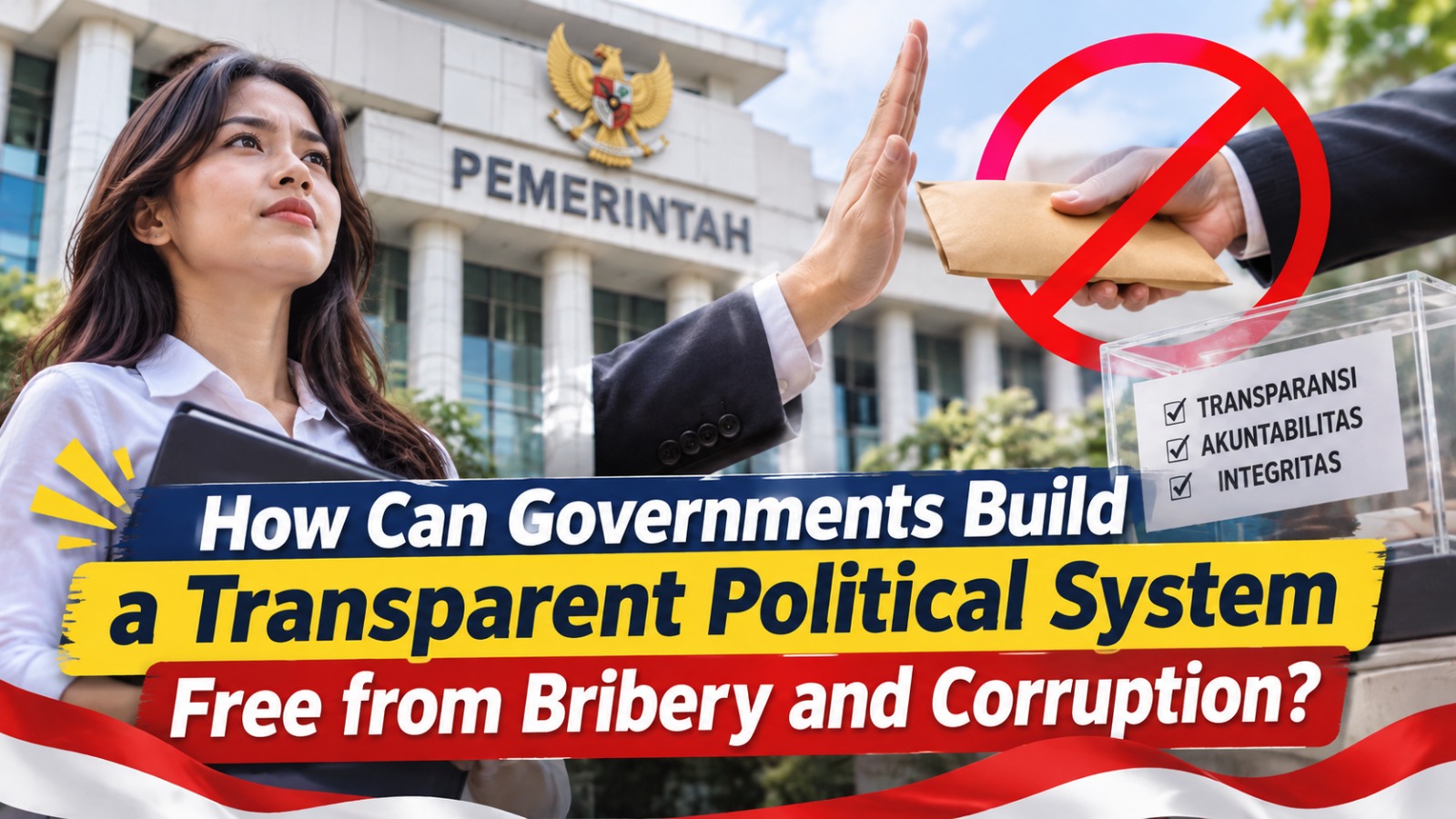
Building a transparent political system free from bribery and corruption is essential for maintaining democracy, strengthening public trust, and supporting national development. Political bribery occurs when individuals or organizations offer, request, or receive money, gifts, or other benefits to influence government decisions for private interests. Meanwhile, corruption involves the misuse of public authority or resources for personal or organizational advantages. These practices can weaken government institutions, create unfair political competition, and prevent public policies from serving society effectively. Governments must therefore establish strong regulations, improve financial transparency, strengthen institutional supervision, and encourage public participation. Through consistent reforms and responsible leadership, political systems can become more accountable, fair, and trustworthy.
STRENGTHENING ANTI-CORRUPTION LAWS AND LAW ENFORCEMENT
Strong anti-corruption laws are the foundation of a transparent political system. Governments must establish clear regulations that prohibit bribery, illegal political funding, conflicts of interest, and the misuse of public resources. These laws should explain the responsibilities of public officials and establish appropriate legal consequences for individuals involved in corruption. Clear regulations can help prevent misunderstandings and ensure that political activities follow established legal standards.
However, regulations will not be effective without consistent law enforcement. Independent investigators, prosecutors, and judicial institutions must be able to examine corruption cases without political pressure or interference. Legal consequences should apply equally to all individuals, regardless of their political positions, wealth, or personal relationships. Equal treatment before the law is essential for demonstrating that public authority cannot be used to protect corrupt individuals. Governments must also ensure that anti-corruption institutions have sufficient resources and independence to perform their responsibilities professionally.
IMPROVING POLITICAL FINANCIAL TRANSPARENCY
Political financial transparency is important for preventing illegal financial activities within government institutions and political organizations. Political parties and candidates should clearly report the sources of their funding, donations, campaign expenses, and other financial transactions according to applicable regulations. This information helps supervisory institutions identify suspicious payments and possible agreements involving illegal political benefits. Transparent financial reporting also allows citizens to understand how political activities are funded.
Governments should establish reliable financial monitoring systems and require regular audits of political organizations. Independent auditors can examine financial records to identify unexplained transactions, hidden donations, or potential conflicts of interest. In addition, financial regulations should establish appropriate limits and reporting requirements for political contributions where applicable. Open financial information makes it more difficult for individuals or organizations to secretly purchase political influence. By improving financial supervision, governments can protect political independence and reduce opportunities for bribery.
STRENGTHENING GOVERNMENT INSTITUTIONS AND PUBLIC ACCOUNTABILITY
Strong government institutions are necessary to ensure that political authority is used responsibly. Governments should establish clear administrative procedures, independent supervisory bodies, and effective internal control systems. Public officials must understand their responsibilities and follow ethical standards when making decisions involving public resources. Regular performance evaluations and institutional audits can also help identify weaknesses that may create opportunities for corruption.
Public accountability requires government officials to explain and take responsibility for their decisions and actions. Government institutions should provide accessible information about budgets, public procurement, development programs, and policy implementation. Citizens must also have opportunities to question government decisions and report suspected misconduct through appropriate channels. Furthermore, whistleblowers should receive suitable protection against intimidation or retaliation. When public officials know that their activities are monitored and evaluated, they have stronger incentives to maintain professional and ethical behavior.
USING TECHNOLOGY TO PROMOTE TRANSPARENT GOVERNMENT
Technology can help governments improve transparency and reduce opportunities for bribery in administrative processes. Digital government systems allow citizens and businesses to access public services through online platforms with clearer procedures and fewer unnecessary personal interactions. For example, online business licensing systems can reduce opportunities for officials to demand illegal payments in exchange for faster administrative services. Digital procurement platforms can also make government contract information easier to monitor and compare.
In addition, governments can use digital financial reporting systems to monitor public spending and identify unusual transactions. Public information portals can provide details about government budgets, development projects, and procurement activities. However, technology must be supported by strong data security, reliable infrastructure, and clear regulations to ensure that information remains accurate and protected. Digital systems should also be accessible to people with different levels of technological knowledge. When implemented properly, technology can strengthen government transparency, efficiency, and institutional accountability.
ENCOURAGING PUBLIC PARTICIPATION AND ETHICAL POLITICAL LEADERSHIP
Building a transparent political system requires active participation from citizens because democratic accountability cannot depend entirely on government institutions. People should understand their political rights, recognize bribery practices, and make responsible decisions during elections. They can also participate in public consultations, monitor government programs, and report suspected corruption through official reporting channels. Public participation creates additional supervision and encourages government officials to consider the needs of society.
Political leaders also have an important responsibility to establish an organizational culture based on honesty and public service. They should demonstrate ethical behavior, avoid conflicts of interest, and reject financial benefits that could influence official decisions. Political parties must select candidates based on integrity, qualifications, and leadership abilities rather than financial contributions or personal connections. Educational institutions and community organizations can support these efforts by providing political education and anti-corruption awareness programs. Through responsible leadership and active citizen involvement, governments can develop a political culture that rejects bribery and prioritizes public interests.
CONCLUSION
Governments can build a transparent political system free from bribery and corruption by strengthening anti-corruption laws, improving political financial transparency, establishing accountable institutions, using technology, and encouraging public participation. These strategies help reduce opportunities for illegal transactions, prevent the misuse of political authority, and ensure that government decisions are based on public interests. Strong institutions and consistent law enforcement are essential for maintaining democratic integrity and public confidence.
However, creating a corruption-free political environment requires continuous cooperation between government officials, political parties, businesses, law enforcement agencies, and citizens. Every individual must contribute by respecting the law, rejecting illegal benefits, and supporting ethical political leadership. With transparent administration, effective supervision, and responsible public participation, governments can strengthen democracy and promote sustainable national development.
Recent Posts

Apa Dampak Jika Siswa Tidak Mengikuti... 17.11.2026/45 View

Seberapa Penting Pengalaman Organisasi Kampus dalam... 17.11.2026/45 View

Mengapa Upacara Bendera Menjadi Sarana Mengenang... 17.11.2026/43 View

Apa Perbedaan Desainer Grafis dan Desainer... 17.11.2026/47 View

Bagaimana Cara Meningkatkan Semangat Siswa dalam... 17.11.2026/50 View
