

How Can Governments Improve Access to Free Health Checkups?
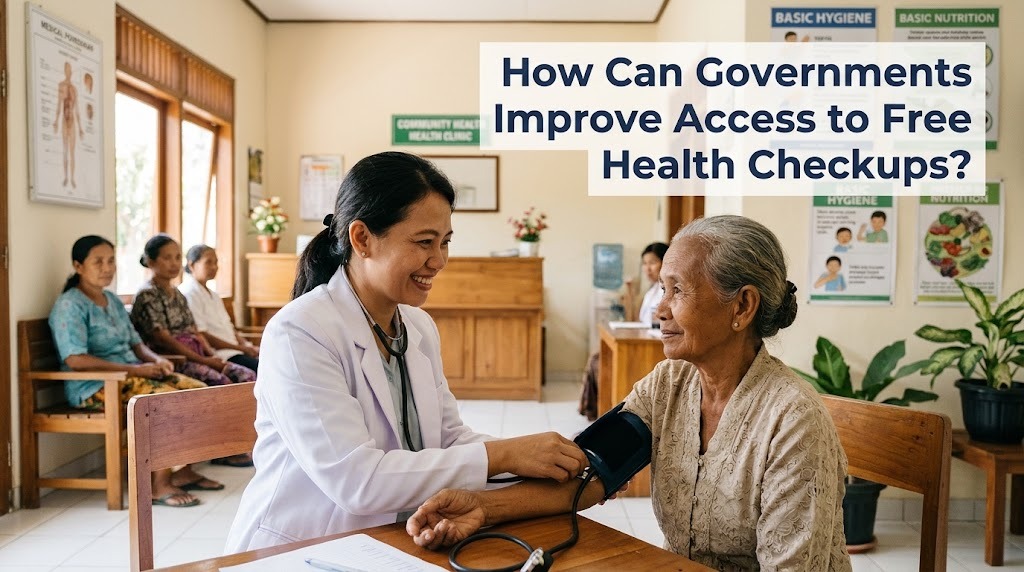
Free health checkups are important public healthcare services that help people understand their health conditions and identify potential medical problems before they become more serious. However, not everyone has equal access to these services. People living in remote areas, individuals with limited financial resources, and communities with insufficient medical facilities may face difficulties receiving regular health examinations.
Governments play an important role in making free health checkups more accessible to everyone. By improving healthcare facilities, expanding medical services, providing public information, and supporting healthcare professionals, governments can reduce barriers that prevent people from receiving preventive medical care. These efforts can help create a healthier society and improve the overall quality of public healthcare.
EXPANDING HEALTHCARE FACILITIES IN REMOTE AREAS
One way governments can improve access to free health checkups is by expanding healthcare facilities in remote and underserved areas. People living far from cities often have limited access to hospitals, clinics, and medical professionals. Long travel distances and transportation costs can discourage them from attending routine health examinations. Building or improving community health centers can make basic medical services easier to reach.
Governments can also provide mobile healthcare units that travel to villages and isolated communities. These units can offer basic examinations, such as blood pressure measurements, blood sugar tests, and general health assessments, depending on available equipment and medical staff. Regular visits can help residents receive healthcare services without traveling long distances. This approach is particularly useful for older adults, people with disabilities, and communities with limited transportation options.
PROVIDING MORE HEALTHCARE FUNDING
Sufficient funding is essential for maintaining and expanding free health checkup programs. Governments need financial resources to purchase medical equipment, provide examination materials, maintain healthcare facilities, and support healthcare professionals. Without adequate funding, healthcare centers may struggle to serve large numbers of participants or provide consistent screening services.
Increased healthcare investment can also help governments expand the types of examinations available to the public. For example, funding may support blood pressure screening, blood sugar testing, cholesterol checks, and other preventive examinations based on community health needs. Governments should distribute resources according to population size, disease risks, and healthcare access in different regions. Proper budgeting and financial monitoring can help ensure that public funds are used effectively.
INCREASING THE NUMBER OF HEALTHCARE PROFESSIONALS
The availability of qualified healthcare professionals directly affects how many people can receive free health checkups. Some healthcare facilities experience staff shortages, resulting in long waiting times and limited examination schedules. Governments can address this problem by recruiting more doctors, nurses, laboratory technicians, and other medical workers.
In addition, governments can provide training programs to improve healthcare professionals' knowledge and practical skills in preventive examinations. Medical personnel should understand how to conduct basic screening procedures, communicate examination results, and identify patients who need further medical evaluation. Providing suitable incentives and better working conditions can also encourage healthcare professionals to work in underserved regions. A sufficient and well-trained medical workforce can improve the quality and availability of free health checkup services.
IMPROVING ONLINE REGISTRATION SYSTEMS
Digital technology can make free health checkup programs easier to access by simplifying registration and appointment scheduling. Governments can develop official websites or mobile applications that allow people to find available healthcare services, register for examinations, and select suitable appointment times. These systems can reduce administrative procedures and help healthcare facilities organize participant visits more efficiently.
Online platforms can also provide information about eligibility requirements, examination locations, preparation instructions, and available services. This allows participants to understand the registration process before visiting a medical facility. However, digital registration should not become the only way to access free health checkups. Governments should maintain offline registration options for older adults, people without internet access, and individuals who are unfamiliar with digital technology.
INCREASING PUBLIC HEALTH EDUCATION
Many people do not regularly attend health examinations because they lack information about preventive healthcare or believe that medical visits are only necessary when symptoms appear. Governments can improve participation by providing clear and accessible public health education. Educational campaigns can explain the benefits of early disease detection, the importance of routine examinations, and the availability of free healthcare services.
Public information can be distributed through television, radio, social media, schools, community centers, and local healthcare facilities. Governments can also cooperate with community leaders and health volunteers to reach people who may not regularly use digital platforms. Clear communication about program schedules, eligibility requirements, and registration procedures can encourage more people to participate. Better health education helps individuals understand that preventive examinations are an important part of maintaining long-term health.
SIMPLIFYING ELIGIBILITY AND REGISTRATION REQUIREMENTS
Complicated administrative procedures can discourage people from accessing free health checkup services. Some individuals may have difficulty preparing documents, understanding eligibility rules, or completing lengthy registration processes. Governments can address these challenges by making requirements simpler and providing clear instructions for applicants.
For example, registration procedures can be designed to require only essential information and relevant identification documents. Healthcare facilities should also provide assistance for participants who have difficulty completing registration independently. Governments can coordinate information systems across healthcare institutions to reduce unnecessary administrative steps. A simpler process can make free health checkups more accessible, especially for vulnerable communities and people with limited administrative support.
DEVELOPING PARTNERSHIPS WITH PRIVATE HEALTHCARE PROVIDERS
Governments can expand free health checkup services by cooperating with private hospitals, clinics, laboratories, and other healthcare organizations. These partnerships can increase the number of locations where people can receive basic medical examinations. Private healthcare providers may also contribute medical equipment, laboratory services, professional expertise, or additional screening capacity.
Through structured cooperation, governments can establish agreements about service coverage, examination standards, participant eligibility, and funding arrangements. This can help distribute healthcare responsibilities across different institutions and reduce pressure on public medical facilities. However, partnerships should include proper quality monitoring to ensure that participants receive safe and reliable examinations. Clear agreements are also important to prevent unexpected charges for services advertised as free.
STRENGTHENING HEALTHCARE OUTREACH PROGRAMS
Healthcare outreach programs help governments reach people who may not visit medical facilities regularly. These initiatives can focus on communities that face geographical, financial, or social barriers to healthcare access. By organizing free health checkup activities in villages, schools, workplaces, and community centers, governments can bring preventive services closer to the population.
Outreach activities can also prioritize groups with specific healthcare needs, including children, pregnant women, older adults, and people with disabilities. Healthcare professionals can provide basic examinations, health consultations, and recommendations for further treatment when necessary. Regular outreach schedules can help build public trust and encourage consistent participation. These activities are especially valuable when combined with health education and accessible referral services.
MONITORING AND EVALUATING HEALTHCARE PROGRAMS
Governments need to monitor free health checkup programs to determine whether they are reaching the intended population and providing effective services. Monitoring can include reviewing participant numbers, examination coverage, waiting times, service quality, and follow-up rates. This information helps identify problems that may prevent people from accessing healthcare.
Evaluation results can also guide improvements in future healthcare programs. For example, if participation is low in a particular region, authorities can investigate whether transportation difficulties, limited public information, or insufficient medical facilities are responsible. Governments can then introduce suitable solutions based on the findings. Protecting personal medical information is essential when collecting and analyzing health data to maintain public trust.
CONCLUSION
Governments can improve access to free health checkups by expanding healthcare facilities, increasing medical funding, recruiting qualified healthcare professionals, and simplifying registration procedures. Digital technology, public health education, partnerships with private healthcare providers, and community outreach programs can also help more people receive preventive medical services.
However, providing free examinations is not enough without reliable follow-up care and consistent service quality. Governments should ensure that people who receive abnormal screening results can access further medical consultations and appropriate treatment. Through continuous investment, effective planning, and cooperation between healthcare institutions, free health checkup programs can become more accessible and contribute to a healthier society.
Recent Posts

Bagaimana Sistem SKS pada Program Kuliah... 22.11.2026/47 View

How Does Technology Make Daily Evaluation... 21.11.2026/75 View

Apa Strategi Menghadapi Kesenjangan antara Kompetensi... 21.11.2026/77 View

Mengapa Inventaris Aset Penting bagi Kelancaran... 21.11.2026/73 View

When Should Musicians Join a Record... 21.11.2026/77 View
