

How Can Green Buildings Minimize Construction Waste?
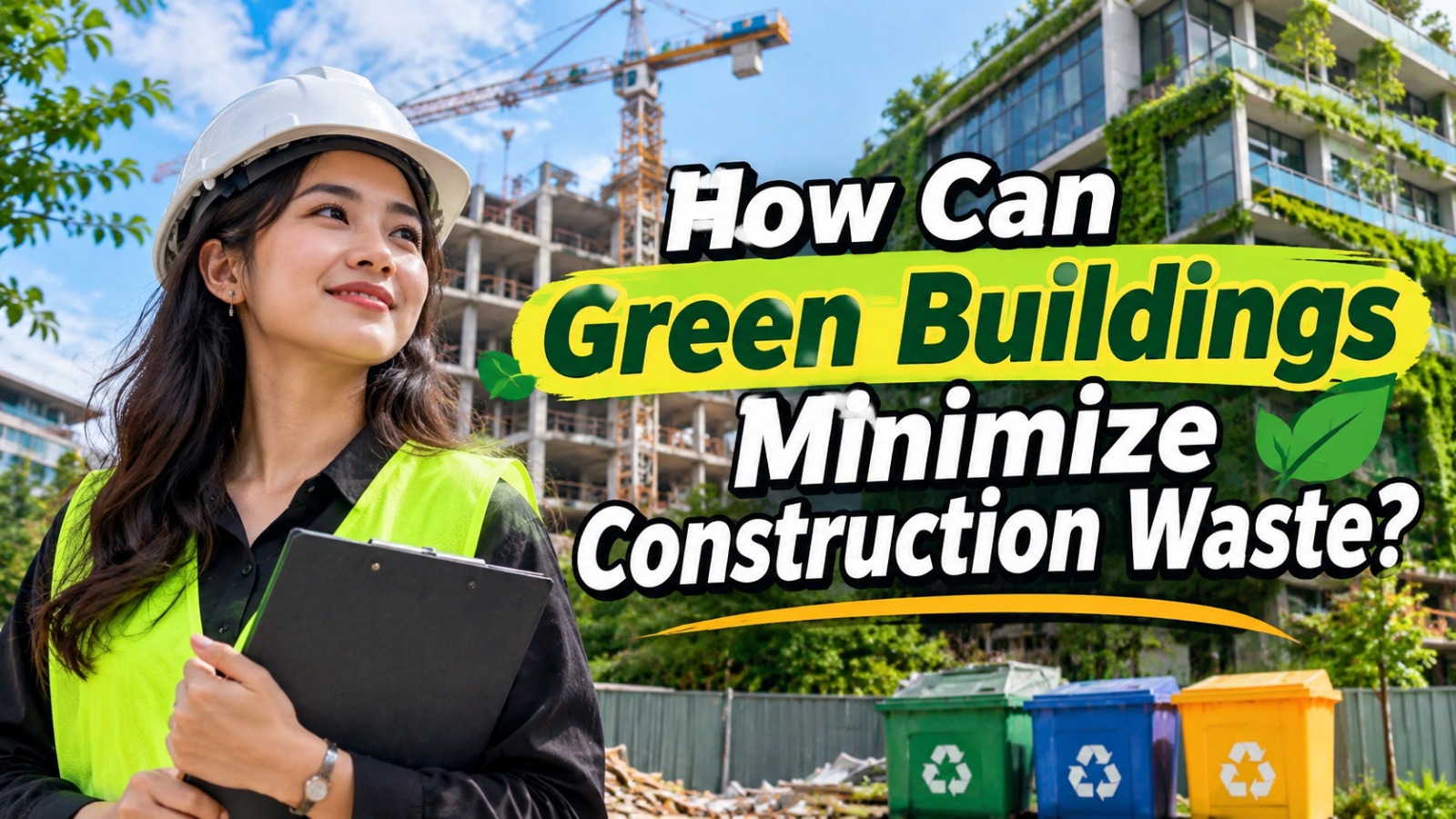
Green buildings are designed to reduce environmental impacts while improving energy efficiency, resource conservation, and occupant comfort. One important benefit of green building practices is their ability to minimize construction waste throughout the building process. By using sustainable materials, efficient construction methods, and proper waste management systems, developers can reduce unnecessary material disposal and protect natural resources. These practices also help lower project costs and support more sustainable development.
USING SUSTAINABLE BUILDING MATERIALS
Green buildings prioritize materials that have a lower environmental impact. Recycled steel, reclaimed wood, recycled bricks, and other environmentally friendly products can reduce the demand for newly manufactured materials.
Choosing durable materials also helps prevent frequent replacements and unnecessary waste. By selecting suitable materials from the beginning, construction companies can improve resource efficiency and reduce the amount of debris generated during projects.
APPLYING EFFICIENT BUILDING DESIGN
Careful planning and design can significantly reduce construction waste. Architects and engineers can calculate material requirements accurately, choose standard material dimensions, and avoid complicated designs that produce excessive offcuts.
Efficient building layouts also help contractors use materials more effectively. When designs consider material availability and construction methods, fewer resources are wasted during installation.
ADOPTING PREFABRICATION METHODS
Prefabrication involves manufacturing building components in factories before transporting them to construction sites. Examples include prefabricated walls, roof structures, floor panels, and other building elements.
This method allows manufacturers to control material measurements and production processes more accurately. Factory-based production can reduce cutting errors, excess materials, and packaging waste. It can also shorten construction time and improve overall project efficiency.
IMPLEMENTING PROPER WASTE SORTING
Green building projects encourage workers to separate construction waste according to material types. Concrete, wood, metal, glass, plastic, and other materials should be placed in designated collection areas.
Proper sorting makes recycling easier and prevents reusable materials from becoming contaminated. It also helps contractors identify which materials can be reused, recycled, or safely disposed of.
REUSING CONSTRUCTION MATERIALS
Reusing materials is another effective way to minimize construction waste. Leftover bricks, timber, metal components, and unused tiles may still be suitable for other parts of a building project.
Contractors can also recover materials from existing structures during renovation or demolition. Instead of immediately sending these materials to landfills, they can inspect, clean, and prepare them for future use.
IMPROVING INVENTORY MANAGEMENT
Poor inventory management often causes construction materials to become damaged, expired, or unused. Green building projects can prevent this problem by monitoring material purchases, deliveries, storage conditions, and usage.
Accurate inventory records help contractors order only the quantities required for each construction stage. Proper storage also protects materials from moisture, weather exposure, and accidental damage.
USING DIGITAL CONSTRUCTION TECHNOLOGY
Digital tools such as Building Information Modeling (BIM) help architects, engineers, and contractors plan construction projects more accurately. BIM allows project teams to visualize building components, calculate material quantities, and identify potential design problems before construction begins.
These capabilities can reduce measurement errors, unnecessary material purchases, and rework. Digital project management systems can also improve communication between teams and support better waste monitoring.
REDUCING CONSTRUCTION PACKAGING WASTE
Building materials often arrive with plastic wrapping, cardboard boxes, wooden pallets, and other packaging. If these materials are not managed properly, they can contribute significantly to construction site waste.
Green building projects can reduce packaging waste by choosing suppliers that offer reusable packaging, bulk deliveries, and recyclable materials. Contractors can also establish collection systems to ensure packaging is reused or recycled whenever possible.
CONCLUSION
Green buildings minimize construction waste through sustainable material selection, efficient design, prefabrication, proper waste sorting, and material reuse. Effective inventory management and digital construction technology also help prevent unnecessary material consumption. By applying these strategies, construction companies can reduce landfill waste, conserve natural resources, and create buildings that support environmental sustainability.
Recent Posts

How Does Technology Make Daily Evaluation... 21.11.2026/58 View

Apa Strategi Menghadapi Kesenjangan antara Kompetensi... 21.11.2026/60 View

Mengapa Inventaris Aset Penting bagi Kelancaran... 21.11.2026/56 View

When Should Musicians Join a Record... 21.11.2026/55 View

Daily Evaluation or Daily Planning Which... 21.11.2026/63 View
