

How Can Historic Heritage Sites Be Protected from Damage?
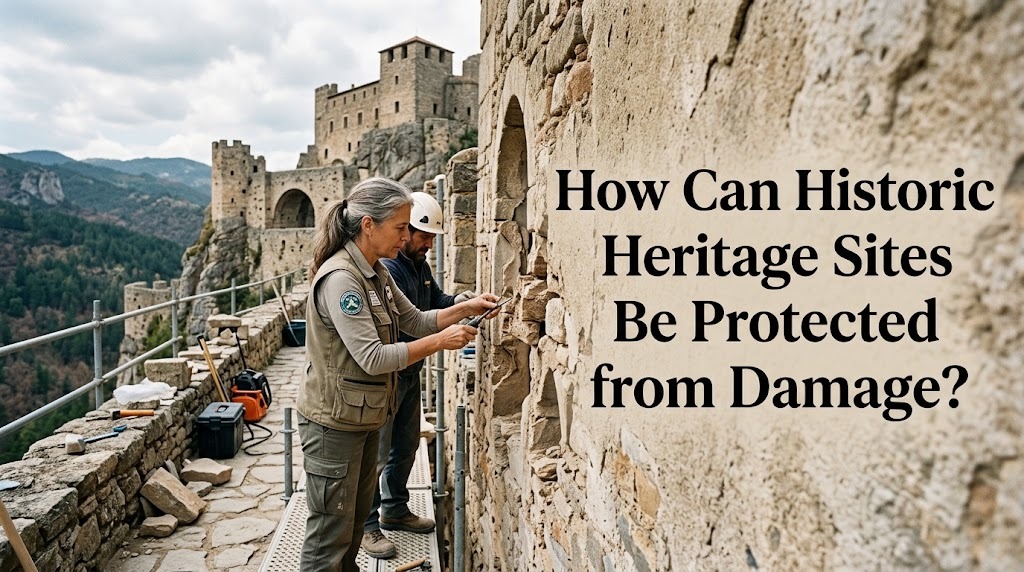
Historic heritage sites are important because they preserve evidence of the past and help people understand the history, culture, and identity of a community. These sites include ancient temples, historical buildings, monuments, archaeological areas, and traditional settlements. They provide valuable information about the lives, beliefs, architecture, and achievements of earlier generations.
However, historic heritage sites face various threats, including natural disasters, pollution, vandalism, uncontrolled tourism, and urban development. Without proper protection, these places may suffer permanent damage or lose important historical features. Protecting historic heritage sites requires cooperation between governments, local communities, conservation experts, and visitors. Through careful planning, regular maintenance, and public education, these sites can be preserved for future generations.
CONDUCTING REGULAR INSPECTIONS AND MAINTENANCE
Regular inspections are essential for identifying damage before it becomes more serious. Conservation experts can examine walls, foundations, roofs, decorative elements, and other structural features to identify cracks, moisture, erosion, or material deterioration. Early detection allows problems to be addressed before they threaten the stability or historical value of a site. Maintenance should be based on the specific materials, age, and condition of each heritage structure.
Preventive maintenance can include improving drainage, controlling moisture, repairing roofs, and removing harmful vegetation when appropriate. However, repairs must use suitable materials and methods that do not damage original structures. Modern materials should not be introduced without considering their compatibility with historic materials. Careful documentation of inspections and repairs also helps conservation teams monitor changes and make informed decisions.
PREVENTING VANDALISM AND HUMAN DAMAGE
Vandalism is a major threat to historic heritage sites because it can destroy original surfaces and important historical details. Graffiti, scratching, unauthorized removal of artifacts, and careless handling can cause damage that is difficult or impossible to reverse. Visitors may also unintentionally harm heritage structures by climbing on fragile walls or touching delicate carvings. Clear rules and effective visitor management can reduce these risks.
Site managers can install appropriate signs, provide designated walking routes, and establish protective barriers around vulnerable areas. Security personnel and surveillance systems may also help prevent theft and deliberate damage where necessary. However, protection should be balanced with public access and respect for the historical character of the site. Educational campaigns are equally important because visitors are more likely to behave responsibly when they understand why preservation matters.
CONTROLLING TOURISM AND VISITOR ACTIVITIES
Tourism can provide funding for heritage conservation, but excessive visitor numbers may place pressure on historic sites. Heavy foot traffic can wear down ancient floors, damage fragile structures, and contribute to litter and pollution. Large crowds may also disturb religious activities or interfere with the daily lives of people living near heritage areas. These problems become more serious when tourism grows faster than the site's capacity to accommodate visitors.
Site managers can reduce these impacts by establishing visitor limits, managing entrance times, and directing tourists along suitable routes. Fragile areas may require restricted access, while popular sites can use advance booking systems to manage crowds. Guided tours can help visitors understand the site's historical significance and follow appropriate rules. Sustainable tourism planning allows people to enjoy historic places while reducing the risk of long-term damage.
PROTECTING HERITAGE SITES FROM NATURAL DISASTERS
Natural disasters such as earthquakes, floods, landslides, storms, and fires can seriously damage historic structures. Older buildings may be especially vulnerable because their materials and construction methods were not designed to withstand every modern hazard. Climate change can increase certain risks, including coastal flooding, erosion, and extreme weather in vulnerable locations. Therefore, disaster preparedness is an important part of heritage conservation.
Protection measures should begin with risk assessments that identify the hazards most likely to affect each site. Depending on local conditions, conservation teams may improve drainage, reinforce vulnerable structures using compatible techniques, develop emergency plans, and prepare systems for protecting movable artifacts. Digital records, photographs, and three-dimensional scans can also document important features before a disaster occurs. Although documentation cannot replace a damaged original, it can support research, recovery, and restoration efforts.
USING MODERN TECHNOLOGY FOR HERITAGE PRESERVATION
Modern technology provides useful tools for monitoring and protecting historic heritage sites. Digital photography, three-dimensional scanning, drones, and geographic information systems can help experts record structures and identify changes over time. Sensors can also monitor movement, temperature, humidity, and other conditions that may affect vulnerable buildings. These tools provide information that supports more accurate conservation planning.
Digital documentation can create detailed records of architectural features, inscriptions, sculptures, and archaeological discoveries. If a structure becomes damaged, these records may help specialists understand its original condition and guide restoration decisions. However, technology should support rather than replace physical conservation and expert judgment. Digital models also need regular updates, secure storage, and careful verification to remain useful over time.
INVOLVING LOCAL COMMUNITIES IN CONSERVATION
Local communities play a vital role in protecting historic heritage sites because they often have long-standing connections to these places. Residents may possess traditional knowledge about local buildings, cultural practices, historical events, and environmental conditions. Their involvement can help identify threats early and ensure that conservation decisions respect local needs. Community participation also encourages people to view heritage protection as a shared responsibility.
Governments and conservation organizations can involve residents through educational programs, volunteer activities, local heritage groups, and consultation during planning. Training programs can help community members recognize early signs of deterioration and report damage to the appropriate authorities. Supporting local livelihoods through responsible cultural tourism can also create incentives for preserving heritage sites. When communities benefit from conservation and participate in decision-making, preservation efforts are more likely to receive long-term support.
ENFORCING LAWS AND PROVIDING ADEQUATE FUNDING
Legal protection helps prevent unauthorized construction, illegal excavation, artifact theft, and destructive changes to historic sites. Governments can establish conservation regulations, define protected areas, and require appropriate assessments before development projects proceed. Effective enforcement is necessary because laws alone cannot prevent damage if violations are ignored. Cooperation between heritage authorities, local governments, law enforcement, and property owners can strengthen protection.
Adequate funding is equally important because conservation requires trained professionals, appropriate materials, regular inspections, and long-term maintenance. Financial support may come from government budgets, grants, responsible tourism revenue, and partnerships with cultural organizations. Funding decisions should prioritize urgent risks and the historical significance of each site. Transparent management helps ensure that resources are used effectively and that restoration work follows accepted conservation principles.
CONCLUSION
Historic heritage sites can be protected from damage through regular maintenance, responsible tourism, disaster preparedness, modern technology, community involvement, and effective legal protection. Each approach addresses different threats, so successful conservation requires a combination of preventive measures and long-term planning. Protecting these sites helps preserve historical evidence, cultural identity, and architectural knowledge for future generations.
Everyone has a role in heritage preservation, from government authorities and conservation experts to local residents and tourists. Visitors can follow site regulations, avoid touching fragile structures, and report signs of damage. Communities can support local conservation programs, while governments can provide the funding and enforcement needed for lasting protection. By working together, society can preserve historic heritage sites as valuable cultural resources for generations to come.
Recent Posts

Bagaimana Sistem SKS pada Program Kuliah... 22.11.2026/49 View

How Does Technology Make Daily Evaluation... 21.11.2026/76 View

Apa Strategi Menghadapi Kesenjangan antara Kompetensi... 21.11.2026/78 View

Mengapa Inventaris Aset Penting bagi Kelancaran... 21.11.2026/74 View

When Should Musicians Join a Record... 21.11.2026/78 View
