

How Can Homeroom Teachers Build Strong Relationships with Students?
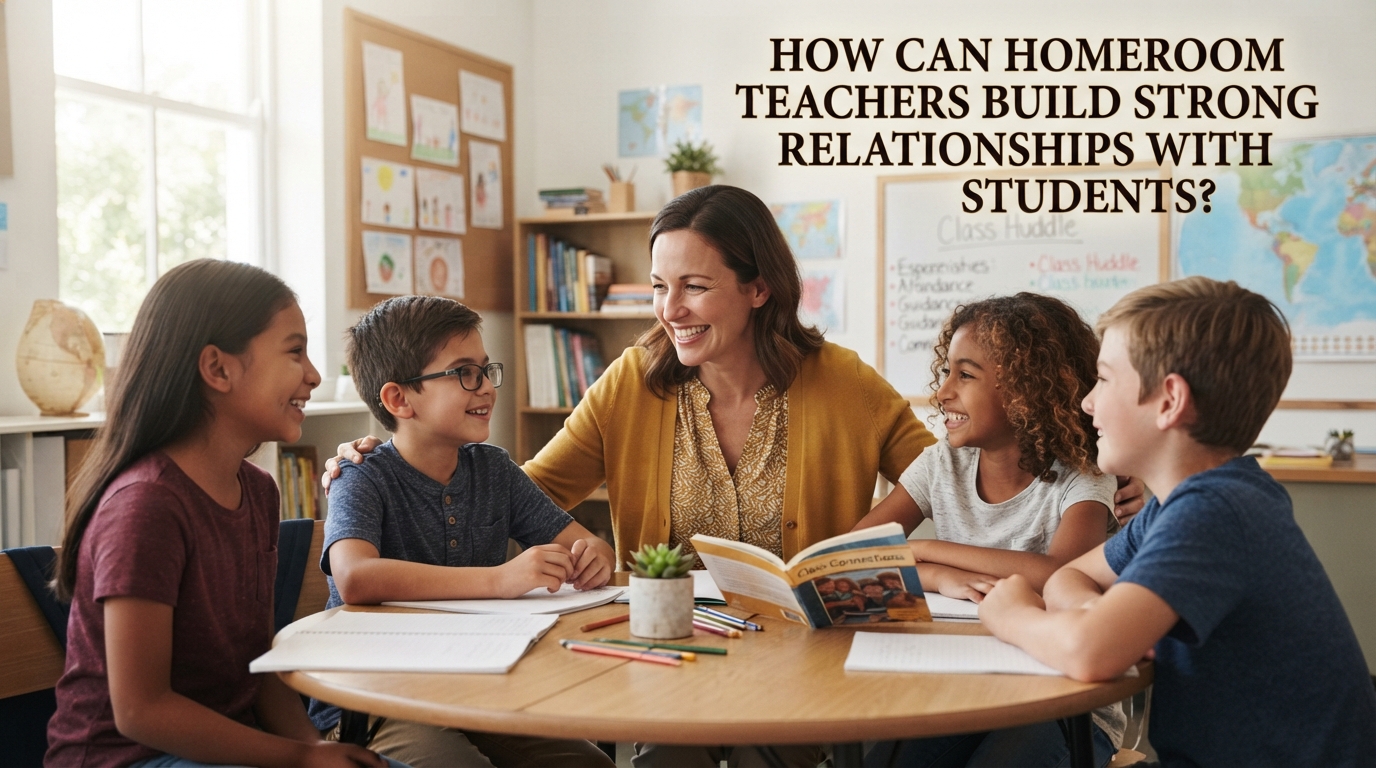
Building strong relationships with students is one of the most important responsibilities of a homeroom teacher. A positive relationship between teachers and students can create a comfortable learning environment, improve communication, and encourage students to participate actively in classroom activities. When students feel respected, understood, and supported, they are more likely to develop confidence and motivation in their education.
However, building meaningful relationships requires more than simply teaching lessons or managing classroom activities. Homeroom teachers need to understand students' individual characteristics, listen to their concerns, show empathy, and provide consistent guidance. By developing trust and maintaining positive interactions, teachers can create stronger connections with students and support their academic and personal development.
UNDERSTANDING EACH STUDENT'S INDIVIDUAL CHARACTERISTICS
One effective way for homeroom teachers to build strong relationships with students is by understanding their individual characteristics. Every student has different personalities, interests, abilities, learning styles, and personal experiences. Some students may be confident and active in discussions, while others may prefer to express their thoughts privately. Teachers should recognize these differences instead of expecting every student to behave in the same way.
Understanding individual characteristics allows homeroom teachers to provide more appropriate guidance and support. They can observe students' behavior, communicate with them regularly, and identify their strengths and challenges. Teachers should also avoid making unfair comparisons because every student develops at a different pace. By appreciating individual differences, homeroom teachers can make students feel valued, accepted, and respected.
BUILDING TRUST THROUGH OPEN COMMUNICATION
Open communication is an essential foundation for building strong relationships between homeroom teachers and students. Teachers should create opportunities for students to express their opinions, ask questions, and discuss difficulties without feeling afraid of being judged. Using friendly language and showing genuine interest in students' experiences can make communication more comfortable. Teachers should also provide clear explanations when discussing classroom expectations or student responsibilities.
In addition, communication should involve listening rather than simply giving instructions. Homeroom teachers need to pay attention to students' concerns and respond in a respectful manner. They should avoid embarrassing students or criticizing them harshly in front of their classmates. When students feel that their voices matter, they are more likely to develop trust and confidence in their teachers.
SHOWING EMPATHY AND UNDERSTANDING
Empathy helps homeroom teachers understand students' feelings, difficulties, and personal situations. Students may experience academic pressure, friendship conflicts, family problems, or a lack of self-confidence. Teachers should avoid immediately judging their behavior without understanding the reasons behind it. Instead, they can ask appropriate questions, listen carefully, and show concern for students' well-being.
Showing empathy does not mean allowing students to ignore school rules or avoid responsibility. Teachers must maintain clear expectations while considering students' individual circumstances. They should provide constructive advice and help students find appropriate solutions to their problems. This balanced approach creates a supportive relationship based on understanding, fairness, and mutual respect.
PROVIDING CONSISTENT SUPPORT AND ENCOURAGEMENT
Students need consistent support to feel confident and motivated throughout their educational journey. Homeroom teachers can encourage students by recognizing their efforts, appreciating improvements, and providing constructive feedback. Even small achievements, such as completing assignments on time or becoming more active in discussions, deserve positive recognition. These simple actions can help students understand that their progress matters.
Teachers should also remain supportive when students experience failure or make mistakes. Rather than focusing only on negative results, they can help students identify what needs improvement and develop better learning strategies. Consistent encouragement teaches students that success requires effort, patience, and determination. Through positive guidance, homeroom teachers can strengthen students' self-confidence and learning motivation.
CREATING A SAFE AND COMFORTABLE CLASSROOM ENVIRONMENT
A safe classroom environment allows students to learn, communicate, and interact without unnecessary fear or pressure. Homeroom teachers should establish clear rules that promote respect, cooperation, and fairness among classmates. They must also prevent bullying, discrimination, and other inappropriate behavior that may damage students' confidence. Every student should have an equal opportunity to participate in classroom activities.
Furthermore, teachers can create a welcoming atmosphere by encouraging teamwork, group discussions, and positive interactions. Students should feel comfortable expressing different opinions as long as they respect others. When conflicts occur, teachers need to address them fairly and help students understand the importance of peaceful communication. A positive classroom environment strengthens student relationships and supports effective learning.
SPENDING QUALITY TIME WITH STUDENTS
Spending quality time with students can help homeroom teachers develop closer and more meaningful relationships. Teachers can use classroom discussions, informal conversations, group activities, and school events to understand students beyond their academic performance. These interactions provide opportunities to discover students' interests, hobbies, and personal goals. They also help students feel that their teachers are approachable and genuinely interested in their development.
However, teachers should maintain appropriate professional boundaries when interacting with students. Their relationships must remain respectful, fair, and focused on students' educational needs. Teachers should also ensure that every student receives attention rather than focusing only on those who are more active or academically successful. Through balanced interactions, homeroom teachers can build positive connections with the entire class.
GIVING FAIR TREATMENT TO ALL STUDENTS
Fair treatment is an important factor in establishing trust between teachers and students. Homeroom teachers should avoid favoritism and provide equal opportunities regardless of students' academic performance, family backgrounds, personalities, or social relationships. Students need to understand that classroom rules apply consistently to everyone. Fair decisions help create a sense of security and encourage students to respect their teachers.
When handling classroom problems, teachers should listen to different perspectives before making decisions. They should consider relevant information and explain the reasons behind their actions. Giving students opportunities to express their opinions also helps them feel involved in classroom decisions. By demonstrating fairness and integrity, homeroom teachers can develop stronger relationships and create a more harmonious classroom.
INVOLVING STUDENTS IN CLASSROOM ACTIVITIES AND DECISIONS
Involving students in classroom activities is another effective way to strengthen relationships. Homeroom teachers can give students opportunities to share ideas, organize activities, take responsibility for classroom duties, and participate in group projects. These experiences encourage students to communicate and cooperate with their classmates. They also help students develop leadership, independence, and decision-making skills.
Teachers should appreciate students' contributions and consider their suggestions when making appropriate classroom decisions. For example, students can participate in developing classroom agreements or choosing activities that support their learning. This involvement helps them feel that they are important members of the classroom community. As a result, students may develop a stronger sense of belonging and responsibility.
CONCLUSION
Building strong relationships with students requires patience, empathy, effective communication, and consistent support. Homeroom teachers can strengthen these connections by understanding individual characteristics, listening to students' concerns, providing encouragement, creating a safe classroom environment, and treating everyone fairly. These approaches help students feel respected, appreciated, and comfortable throughout their educational journey.
Ultimately, a positive relationship between homeroom teachers and students can improve classroom interactions, strengthen learning motivation, and support personal development. Teachers who build trust and maintain professional relationships can become valuable sources of guidance for their students. By creating an environment based on trust, respect, and cooperation, homeroom teachers can help students become more confident, responsible, and successful individuals.
Recent Posts

How Does Technology Make Daily Evaluation... 21.11.2026/56 View

Apa Strategi Menghadapi Kesenjangan antara Kompetensi... 21.11.2026/58 View

Mengapa Inventaris Aset Penting bagi Kelancaran... 21.11.2026/53 View

When Should Musicians Join a Record... 21.11.2026/53 View

Daily Evaluation or Daily Planning Which... 21.11.2026/60 View
