

How Can Homeroom Teachers Create a Comfortable and Positive Classroom Environment?
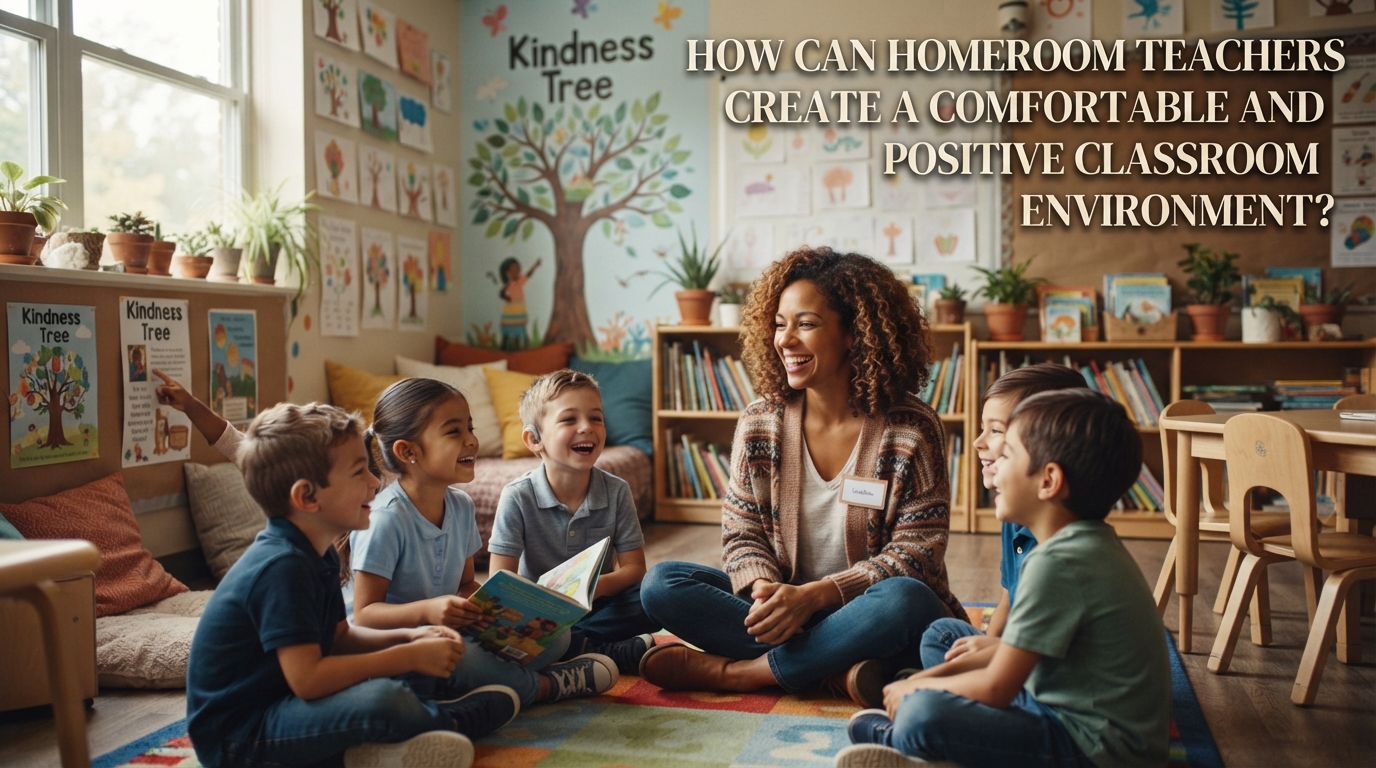
A comfortable and positive classroom environment plays an important role in supporting students' academic achievement, emotional well-being, and social development. Students need a learning space where they feel safe, respected, accepted, and motivated to participate in educational activities. However, creating this environment requires more than providing clean classrooms and complete learning facilities. It also involves building healthy relationships, establishing clear rules, and encouraging positive interactions among students.
Homeroom teachers have an important responsibility in developing a classroom atmosphere that supports every student's needs. They must understand different student personalities, manage classroom behavior, and encourage cooperation between classmates. Through consistent guidance and positive communication, teachers can create an environment where students feel comfortable expressing their opinions, asking questions, and learning from mistakes. Therefore, creating a positive classroom environment is an essential part of effective classroom management.
1. BUILDING POSITIVE RELATIONSHIPS WITH STUDENTS
Positive relationships between teachers and students are the foundation of a comfortable classroom environment. Homeroom teachers should make an effort to understand each student's personality, interests, strengths, and individual needs. They can build stronger connections by greeting students warmly, listening to their opinions, and showing genuine interest in their daily experiences. Mutual trust and respect help students feel accepted and appreciated at school. When students have good relationships with their teachers, they are generally more comfortable participating in classroom activities.
Teachers should also treat every student fairly without showing favoritism. They need to provide equal opportunities for students to express themselves and participate in discussions. Simple actions, such as remembering students' names and appreciating their efforts, can make a meaningful difference. These habits help establish a supportive relationship that encourages students to learn and develop their confidence.
2. ESTABLISHING CLEAR AND FAIR CLASSROOM RULES
Clear classroom rules help students understand the behavior expected of them during learning activities. Homeroom teachers should establish guidelines related to discipline, punctuality, classroom cleanliness, communication, and respect for others. These rules should be explained in simple language so that every student understands their purpose. Fair and consistent rules create a sense of responsibility and help prevent unnecessary conflicts. Students also need to understand that classroom rules are designed to protect everyone's rights and create a better learning environment.
Teachers can involve students in discussing and developing classroom agreements. This approach encourages students to participate actively and understand the importance of following shared responsibilities. When rules are broken, teachers should respond calmly and apply appropriate consequences consistently. They should also provide guidance to help students recognize their mistakes and improve their behavior.
3. CREATING A SAFE AND COMFORTABLE LEARNING SPACE
A positive classroom environment requires both physical and emotional safety. Homeroom teachers should ensure that the classroom is clean, organized, well-maintained, and suitable for learning activities. Proper seating arrangements, sufficient lighting, good ventilation, and accessible learning materials can help students concentrate more comfortably. A safe physical environment reduces unnecessary distractions and supports effective learning. Teachers should also pay attention to classroom conditions that may make students uncomfortable.
Emotional safety is equally important because students need to feel free from bullying, humiliation, discrimination, and intimidation. Teachers should respond seriously to inappropriate behavior and provide appropriate support to affected students. They should encourage students to express their opinions without fear of being laughed at or judged. When physical and emotional safety are maintained, students can focus more effectively on learning and developing positive relationships.
4. ENCOURAGING OPEN COMMUNICATION AND STUDENT PARTICIPATION
Open communication allows students to express their thoughts, ask questions, and share their experiences comfortably. Homeroom teachers should create opportunities for students to participate in classroom discussions and communicate their ideas. They can use group discussions, question-and-answer sessions, and classroom meetings to encourage active involvement. Student participation helps develop confidence, critical thinking, and communication abilities. It also allows teachers to understand students' perspectives and identify their learning needs.
Teachers should listen carefully and respond respectfully when students express different opinions. They should avoid interrupting students unnecessarily or making negative comments that discourage participation. Students who are shy or less confident can be encouraged gradually through smaller group activities or individual conversations. These approaches help create an inclusive classroom where every student has an opportunity to contribute.
5. DEVELOPING COOPERATION AND TEAMWORK AMONG STUDENTS
Cooperation is an important element of a positive classroom environment because students need to learn how to interact with people who have different personalities and opinions. Homeroom teachers can encourage teamwork through group assignments, classroom projects, discussions, and shared responsibilities. Teamwork activities teach students how to communicate, divide tasks, respect different perspectives, and achieve common goals. These experiences also help students develop social skills that are useful beyond the classroom.
Teachers should ensure that every student has an opportunity to contribute during group activities. They can assign different responsibilities according to students' abilities while encouraging everyone to participate. When disagreements occur, teachers should guide students to discuss their differences respectfully and find appropriate solutions. Through regular cooperation, students can develop stronger friendships and a greater sense of belonging.
6. PROVIDING APPRECIATION AND POSITIVE MOTIVATION
Appreciation is an effective way to encourage positive behavior and increase students' motivation. Homeroom teachers should recognize students' efforts, improvements, achievements, and acts of kindness. Recognition does not always need to involve rewards or expensive gifts. Positive reinforcement, such as sincere praise, constructive feedback, and public recognition when appropriate, can encourage students to maintain good habits. It also helps students understand that their efforts and progress are valuable.
Teachers should appreciate not only students with high academic achievements but also those who demonstrate discipline, responsibility, cooperation, and determination. They need to avoid comparing students because everyone develops at a different pace. Providing specific and meaningful feedback can help students understand their strengths and areas for improvement. This approach encourages a classroom culture that values progress, effort, and mutual support.
7. PREVENTING BULLYING AND HANDLING CLASSROOM CONFLICTS
Bullying and classroom conflicts can make students feel uncomfortable, unsafe, and reluctant to participate in learning activities. Homeroom teachers must pay attention to students' interactions and recognize possible signs of exclusion, intimidation, or repeated harmful behavior. Bullying prevention requires clear school policies, consistent supervision, and open communication with students. Teachers should explain the importance of respecting differences and treating classmates with kindness.
When conflicts occur, teachers should investigate the situation carefully and listen to the students involved. They should not immediately blame one person without understanding the circumstances. Appropriate actions may include individual guidance, communication with parents, and cooperation with school counselors or administrators. Serious bullying cases must be handled according to school procedures to ensure student safety and prevent repeated incidents.
8. MAINTAINING GOOD CLASSROOM COMMUNICATION WITH PARENTS
Creating a positive classroom environment also requires cooperation between homeroom teachers and parents. Parents play an important role in supporting their children's behavior, emotional development, and learning habits outside school. Teachers should communicate relevant information about students' progress, attendance, achievements, and difficulties. Parent-teacher communication helps both parties understand students' needs and provide consistent guidance.
Communication can take place through parent meetings, individual consultations, school communication platforms, or other appropriate channels. Teachers should share information professionally and protect students' personal information. They should also listen to parents' concerns and consider useful suggestions when developing student support strategies. Strong cooperation between school and home helps create a more supportive environment for students.
CONCLUSION
Homeroom teachers can create a comfortable and positive classroom environment by building healthy relationships, establishing fair rules, maintaining physical and emotional safety, and encouraging open communication. They should also develop teamwork, appreciate students' efforts, prevent bullying, and maintain good cooperation with parents.
Creating a positive classroom does not happen instantly. It requires consistent attention, patience, empathy, and cooperation from teachers, students, and parents. A comfortable and positive classroom environment helps students feel valued, develop confidence, improve their social skills, and achieve better learning outcomes. By carrying out these responsibilities effectively, homeroom teachers can create a supportive educational atmosphere where every student has the opportunity to grow and succeed.
Recent Posts

How Does Technology Make Daily Evaluation... 21.11.2026/56 View

Apa Strategi Menghadapi Kesenjangan antara Kompetensi... 21.11.2026/58 View

Mengapa Inventaris Aset Penting bagi Kelancaran... 21.11.2026/52 View

When Should Musicians Join a Record... 21.11.2026/53 View

Daily Evaluation or Daily Planning Which... 21.11.2026/60 View
