

How Can Homeroom Teachers Help Students Overcome Academic and Personal Problems?
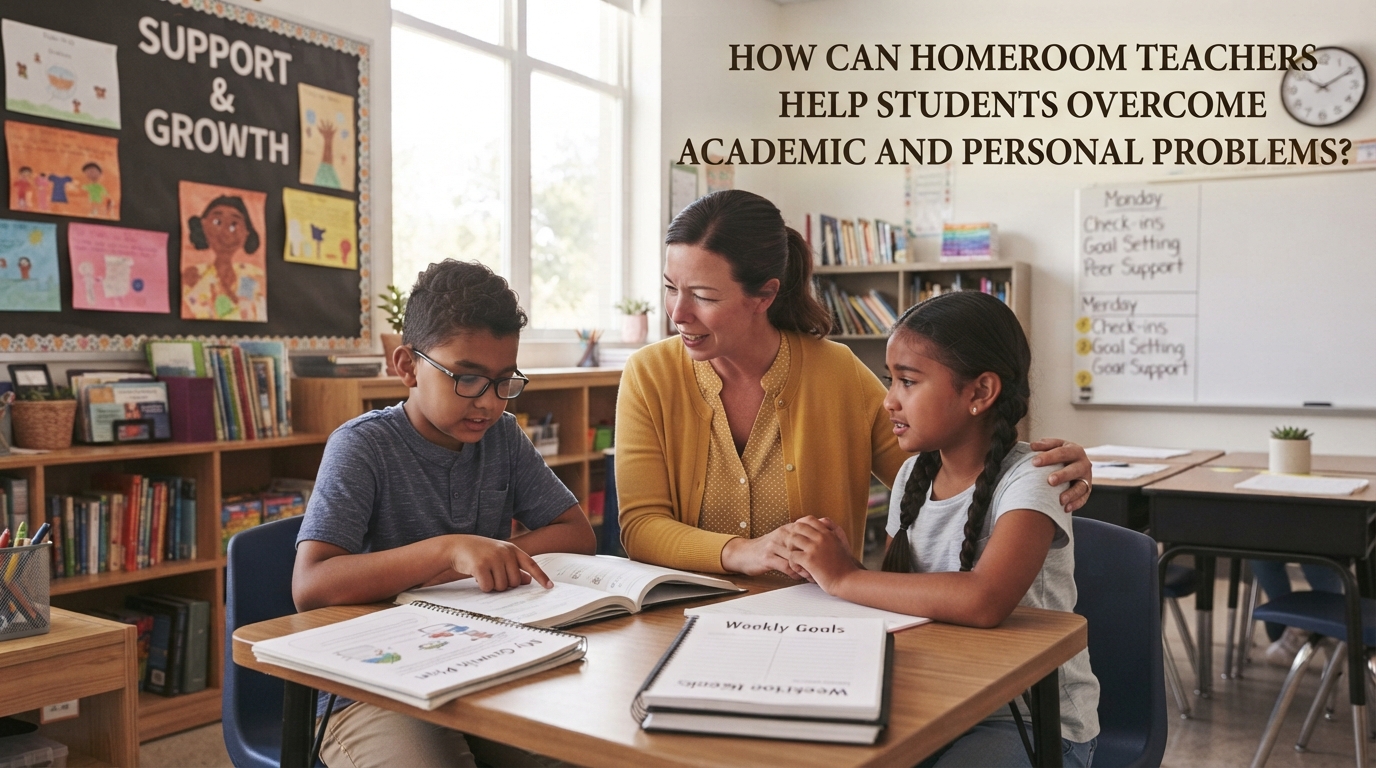
Students face various challenges during their school years, both inside and outside the classroom. Academic difficulties, low learning motivation, family issues, social conflicts, and a lack of self-confidence can affect their educational progress and personal development. In these situations, homeroom teachers play an important role in providing guidance, encouragement, and appropriate support. Because they regularly interact with students, they can recognize changes in behavior and identify problems that may require attention. By using effective communication and working with parents and school staff, homeroom teachers can help students overcome difficulties and develop into more confident and responsible individuals.
IDENTIFYING STUDENTS' ACADEMIC AND PERSONAL PROBLEMS
The first step in helping students is understanding the problems they experience. Academic difficulties may include poor test results, trouble understanding lessons, incomplete assignments, or declining classroom participation. Meanwhile, personal problems can involve family conflicts, friendship difficulties, bullying, emotional pressure, or low self-confidence. Homeroom teachers should observe students' behavior, attendance, and learning progress to recognize possible warning signs. They can also communicate privately with students to understand their situations without making them feel judged. Early identification allows teachers to provide appropriate support before problems become more serious.
BUILDING TRUST THROUGH EFFECTIVE COMMUNICATION
Students are more likely to share their difficulties when they feel comfortable and respected. Homeroom teachers should create open and supportive communication by listening carefully, asking appropriate questions, and avoiding negative judgments. They need to show empathy and give students enough time to explain their experiences. Teachers should also respect students' privacy while following school safeguarding procedures when safety concerns arise. Through consistent communication, students can develop trust and become more willing to seek help when they face academic or personal challenges.
PROVIDING GUIDANCE FOR ACADEMIC DIFFICULTIES
Academic problems require guidance that matches each student's learning needs. Homeroom teachers can discuss students' difficulties, review their learning progress, and identify subjects or skills that need improvement. They can encourage students to create realistic study schedules, complete assignments gradually, and ask subject teachers for additional explanations. If necessary, teachers can coordinate with subject teachers to provide extra learning support or recommend suitable school resources. Personalized academic guidance helps students understand their weaknesses and develop practical ways to improve their performance.
ENCOURAGING STUDENTS TO DEVELOP SELF-CONFIDENCE
Low self-confidence can prevent students from participating in lessons, asking questions, or trying new activities. Homeroom teachers can help by recognizing students' strengths and appreciating their efforts, even when the results are not perfect. They should avoid comparing students with one another because every student has different abilities and learning progress. Giving students manageable responsibilities and opportunities to express their opinions can also strengthen their confidence. Positive feedback and encouragement help students recognize their potential and become more willing to face challenges.
HELPING STUDENTS MANAGE PERSONAL AND SOCIAL PROBLEMS
Personal and social problems can influence students' concentration, behavior, and relationships at school. Homeroom teachers should provide a safe opportunity for students to discuss difficulties involving friendships, family situations, or social interactions. They can teach students basic problem-solving skills, respectful communication, and ways to manage disagreements. However, teachers should recognize the limits of their professional role and avoid trying to handle serious psychological or family problems alone. When students need specialized assistance, teachers should refer them to school counselors or qualified professionals and coordinate with relevant parties according to school procedures.
COLLABORATING WITH PARENTS AND SUBJECT TEACHERS
Helping students overcome difficulties requires cooperation between the school and the family. Homeroom teachers can communicate with parents about changes in academic performance, attendance, behavior, and learning habits. They should discuss concerns respectfully and focus on finding practical solutions rather than blaming students or families. Cooperation with subject teachers is also important because they can provide detailed information about students' performance in individual lessons. Strong collaboration ensures that students receive consistent guidance and support from the people involved in their education.
CREATING A SAFE AND SUPPORTIVE SCHOOL ENVIRONMENT
A positive school environment helps students feel accepted and protected while learning. Homeroom teachers can encourage classroom rules based on respect, fairness, responsibility, and cooperation. They should respond appropriately to bullying, discrimination, and harmful behavior instead of ignoring warning signs. Students should also have opportunities to participate in group activities that develop friendship, teamwork, and mutual understanding. A safe and inclusive classroom makes it easier for students to express themselves, build positive relationships, and focus on their education.
MONITORING STUDENT PROGRESS AND PROVIDING FOLLOW-UP SUPPORT
Providing guidance is not enough if teachers do not evaluate whether their support is effective. Homeroom teachers should regularly review students' academic progress, behavior, attendance, and personal development. They can hold follow-up conversations to understand whether students have improved or still need assistance. If the initial approach does not work, teachers should consider other strategies and involve appropriate school support services. Continuous monitoring and follow-up help ensure that students receive support according to their changing needs. This process also teaches students that overcoming problems requires patience, effort, and consistent action.
CONCLUSION
Homeroom teachers can help students overcome academic and personal problems by identifying difficulties early, building trust, providing appropriate guidance, and encouraging self-confidence. They also need to cooperate with parents, subject teachers, school counselors, and other relevant professionals when additional support is necessary. Every student has different circumstances, so guidance should be flexible and based on individual needs. Through consistent attention and a supportive school environment, students can learn to manage challenges, improve their academic performance, and develop important life skills. Ultimately, the role of homeroom teachers is not only to monitor students but also to support their overall growth and well-being.
Recent Posts

How Does Technology Make Daily Evaluation... 21.11.2026/56 View

Apa Strategi Menghadapi Kesenjangan antara Kompetensi... 21.11.2026/58 View

Mengapa Inventaris Aset Penting bagi Kelancaran... 21.11.2026/52 View

When Should Musicians Join a Record... 21.11.2026/53 View

Daily Evaluation or Daily Planning Which... 21.11.2026/60 View
