

How Can Homeroom Teachers Improve Students' Learning Motivation?
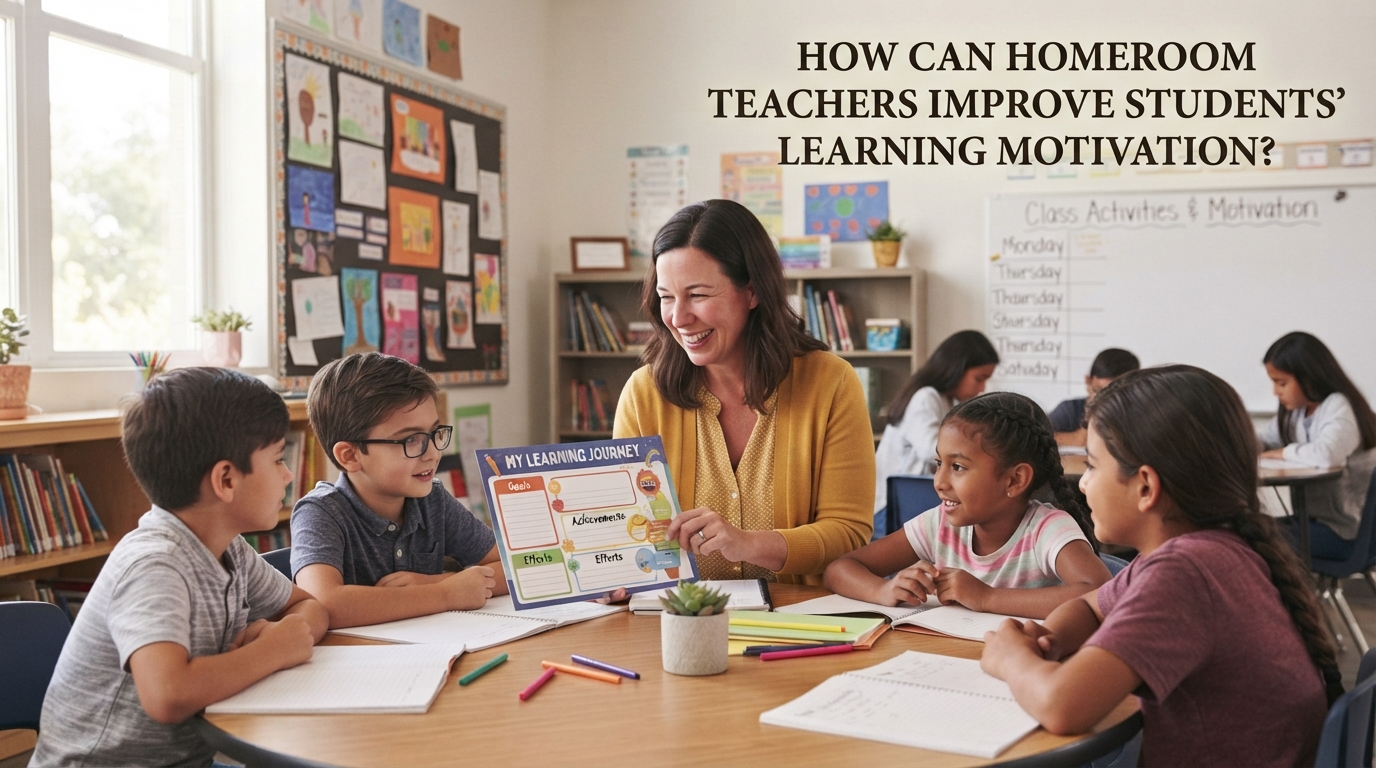
Learning motivation plays an important role in helping students achieve academic success and develop positive learning habits. Students who have strong motivation are generally more willing to participate in classroom activities, complete assignments, and overcome academic challenges. However, not every student has the same level of enthusiasm for learning. Some may feel bored, lack confidence, or struggle to understand certain subjects. In this situation, homeroom teachers have an important role in encouraging students and creating a supportive learning environment. Through effective guidance, communication, and appropriate strategies, homeroom teachers can help students become more motivated and responsible learners.
UNDERSTANDING THE IMPORTANCE OF STUDENTS' LEARNING MOTIVATION
Learning motivation is the internal or external encouragement that influences students to participate in learning activities and achieve their educational goals. Students with strong motivation usually show greater interest in lessons and are more willing to improve their abilities. Motivation also helps students remain focused when they face difficult assignments or receive disappointing results. Without sufficient motivation, students may become passive, avoid responsibilities, or lose interest in school activities. Therefore, maintaining students' learning motivation is an important part of supporting their academic and personal development.
BUILDING POSITIVE RELATIONSHIPS WITH STUDENTS
One effective way to improve learning motivation is by building positive relationships with students. Homeroom teachers should create an environment where students feel respected, accepted, and comfortable expressing their opinions. By listening to students' concerns and understanding their individual situations, teachers can identify factors that influence their enthusiasm for learning. Friendly communication also helps students feel that their teachers genuinely care about their progress. When students feel supported, they are more likely to develop confidence and participate actively in classroom activities.
PROVIDING APPRECIATION AND POSITIVE FEEDBACK
Appreciation and positive feedback can encourage students to maintain their learning efforts. Homeroom teachers should recognize students' progress, discipline, participation, and willingness to improve, not only their academic achievements. Simple appreciation, such as sincere praise or constructive comments, can help students understand that their efforts are valuable. Teachers should also provide specific feedback so students know which aspects they have performed well and what they need to improve. This approach helps develop self-confidence, encourages persistence, and creates a more positive attitude toward learning.
HELPING STUDENTS SET REALISTIC LEARNING GOALS
Students may lose motivation when they feel that their academic targets are too difficult to achieve. Homeroom teachers can help by encouraging students to establish realistic and measurable learning goals based on their abilities and current progress. For example, students can aim to improve their test scores gradually, complete assignments on time, or spend more time reviewing lessons. Breaking larger goals into smaller steps makes academic improvement feel more manageable. Teachers should regularly discuss students' progress and help them adjust their goals when necessary. This strategy teaches students to become more responsible and recognize that consistent effort can lead to meaningful improvement.
CREATING A SUPPORTIVE AND COMFORTABLE LEARNING ENVIRONMENT
A comfortable learning environment can influence students' interest and willingness to participate in educational activities. Homeroom teachers can encourage respect, cooperation, and discipline by establishing clear classroom expectations and treating students fairly. They should also prevent bullying, excessive criticism, and negative interactions that may reduce students' confidence. Providing opportunities for discussion, teamwork, and active participation can make learning more engaging. When students feel safe and appreciated, they are more likely to express their ideas, ask questions, and develop a stronger interest in learning.
IDENTIFYING STUDENTS' LEARNING DIFFICULTIES
Low learning motivation may sometimes be caused by problems that students experience in or outside the classroom. These problems can include difficulties understanding lessons, family concerns, social conflicts, or a lack of confidence. Homeroom teachers should observe changes in students' behavior, attendance, participation, and academic performance. They can communicate privately with students to understand their difficulties without making them feel embarrassed or judged. If a problem requires additional support, teachers should coordinate with subject teachers, school counselors, or parents. Early identification and appropriate assistance can help students overcome obstacles before they seriously affect their learning motivation.
ENCOURAGING ACTIVE PARTICIPATION AND INDEPENDENT LEARNING
Students are more likely to develop learning motivation when they have opportunities to become actively involved in educational activities. Homeroom teachers can encourage students to ask questions, share opinions, participate in discussions, and work together on classroom projects. They can also motivate students to develop independent learning habits, such as creating study schedules, reviewing lessons, and finding additional learning resources. These activities help students understand that learning is not limited to listening to teachers. By giving students appropriate responsibilities, teachers can strengthen their curiosity, confidence, and sense of ownership over their educational progress.
COLLABORATING WITH PARENTS TO SUPPORT LEARNING MOTIVATION
Parents have an important influence on students' attitudes and learning habits at home. Therefore, homeroom teachers should maintain effective communication with parents to discuss students' academic development, behavior, and learning challenges. Teachers can share positive progress as well as areas that need attention, while parents can provide information about students' habits and circumstances outside school. Through cooperation, both parties can establish consistent expectations and provide suitable encouragement. This partnership helps students receive support from both school and family, creating a stronger foundation for long-term learning motivation.
CONCLUSION
Homeroom teachers can improve students' learning motivation through positive relationships, appreciation, realistic learning goals, and a supportive classroom environment. They also need to identify learning difficulties, encourage active participation, and collaborate with parents to provide consistent guidance. These efforts should consider each student's abilities, personality, and individual circumstances because every student has different learning needs. By providing continuous support and encouragement, homeroom teachers can help students become more confident, disciplined, and enthusiastic about learning. Ultimately, strong learning motivation can support better academic achievement and prepare students to become more independent learners.
Recent Posts

How Does Technology Make Daily Evaluation... 21.11.2026/56 View

Apa Strategi Menghadapi Kesenjangan antara Kompetensi... 21.11.2026/58 View

Mengapa Inventaris Aset Penting bagi Kelancaran... 21.11.2026/52 View

When Should Musicians Join a Record... 21.11.2026/53 View

Daily Evaluation or Daily Planning Which... 21.11.2026/60 View
