

How Can Homeroom Teachers Manage Different Student Personalities and Abilities?
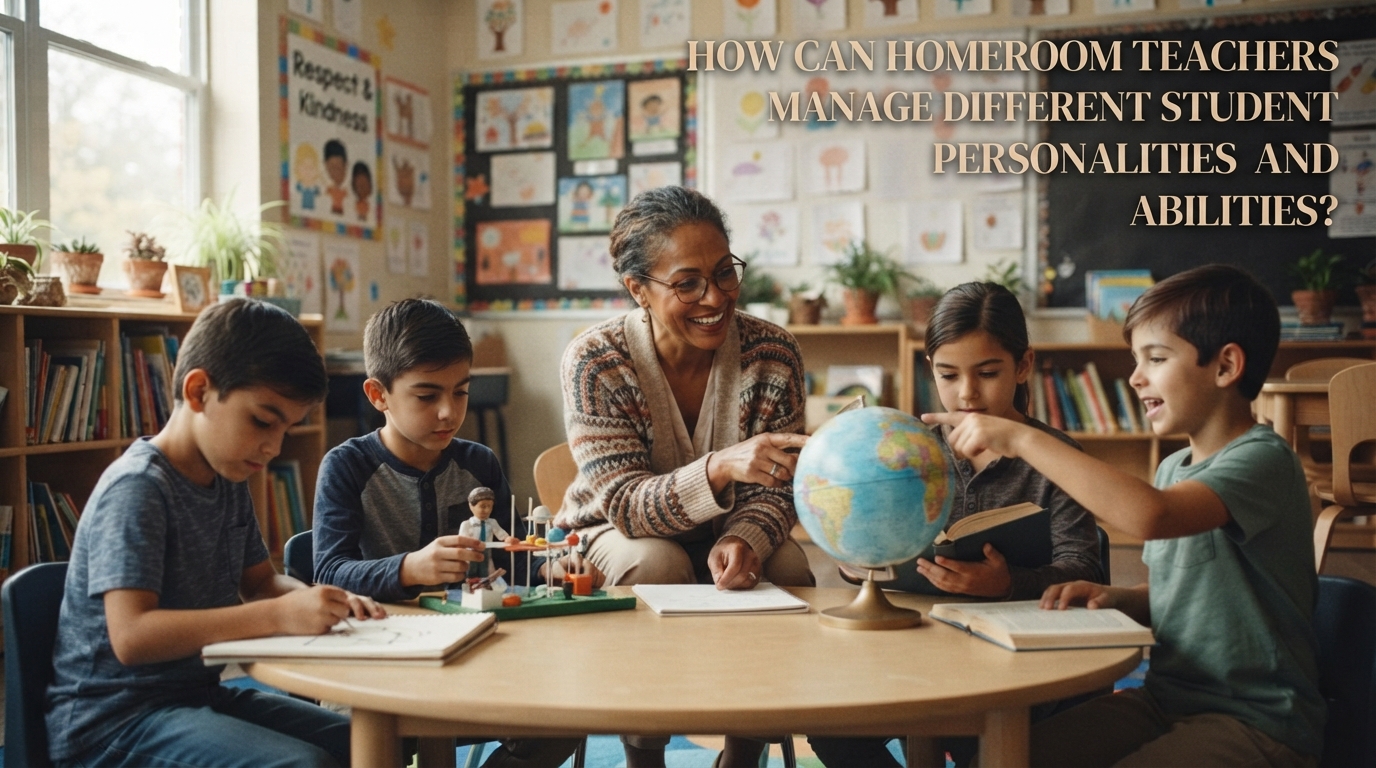
Every student has different personality traits, learning abilities, interests, and ways of responding to classroom activities. Some students are confident and actively participate in discussions, while others are quieter and need more time to express their opinions. Similarly, some students understand lessons quickly, whereas others require additional explanations and learning support. These differences are natural parts of the educational process and should be recognized by every teacher.
Homeroom teachers have an important responsibility to manage these differences so that all students receive fair opportunities to learn and develop. They need to understand individual characteristics, identify students' strengths, and provide appropriate guidance according to their needs. Managing different student personalities and abilities requires patience, flexibility, effective communication, and a supportive learning approach. By applying suitable strategies, homeroom teachers can create an inclusive classroom where every student feels valued and encouraged to reach their potential.
1. UNDERSTANDING EACH STUDENT'S PERSONALITY AND CHARACTERISTICS
The first step in managing different student personalities is understanding each student's individual characteristics. Some students are outgoing, confident, and comfortable communicating with others, while some prefer quiet environments and independent activities. There are also students who are highly energetic, sensitive, creative, or more comfortable observing before participating. Understanding individual personalities helps homeroom teachers recognize why students may behave differently in similar situations. This awareness prevents teachers from making unfair judgments based only on students' appearances or classroom behavior.
Teachers can understand their students through daily observations, personal conversations, classroom activities, and communication with parents. They should pay attention to students' interests, communication styles, emotional responses, and social interactions. However, teachers should avoid permanently labeling students because personality can develop through experiences and education. By understanding these differences, teachers can choose more appropriate ways to communicate, motivate, and guide each student.
2. IDENTIFYING STUDENTS' STRENGTHS AND LEARNING ABILITIES
Every student has different abilities that can influence their academic performance and participation in school activities. Some students demonstrate strong analytical skills, while others have strengths in communication, creativity, sports, leadership, or practical activities. Homeroom teachers need to recognize these abilities instead of measuring student potential only through examination results. Identifying individual strengths allows teachers to understand what students can do well and where they may need additional assistance.
Teachers can gather information from academic assessments, classroom observations, assignments, extracurricular activities, and discussions with subject teachers. They should also provide opportunities for students to demonstrate their abilities in different ways. For example, students who are talented in creative activities can participate in artistic projects, while those with strong communication skills can contribute to presentations or discussions. Recognizing different abilities helps students develop confidence and discover opportunities for personal growth.
3. APPLYING FLEXIBLE LEARNING APPROACHES
Different students may need different types of learning support to understand educational materials effectively. Some students learn better through visual explanations, while others benefit from discussions, demonstrations, reading, or practical activities. Homeroom teachers should encourage learning approaches that accommodate these differences. Flexible learning strategies help students participate according to their needs without lowering appropriate learning expectations. This approach also gives students more opportunities to understand information in meaningful ways.
Teachers can support flexible learning by using varied classroom activities, providing additional explanations, and encouraging independent practice. Students who understand lessons quickly can receive more challenging assignments, while those who experience difficulties can receive extra guidance. Teachers should also coordinate with subject teachers because they are directly responsible for delivering and assessing subject-specific learning. Through cooperation, students can receive more suitable academic support.
4. PROVIDING FAIR AND PERSONALIZED GUIDANCE
Fair treatment does not always mean giving every student exactly the same form of assistance. Students have different circumstances, abilities, and learning needs, so some may require additional attention or guidance. Homeroom teachers should provide support based on students' individual conditions while maintaining equal respect and opportunities. Personalized guidance helps students overcome difficulties without feeling embarrassed or excluded. It also allows teachers to address problems more effectively.
For example, students who lack confidence may need encouragement and smaller opportunities to participate before speaking in front of the entire class. Students who struggle academically may benefit from additional explanations, study planning, or coordination with subject teachers. Meanwhile, students who demonstrate particular strengths can be encouraged to develop them through suitable activities. This approach helps every student make progress according to their abilities and development.
5. CREATING AN INCLUSIVE AND SUPPORTIVE CLASSROOM ENVIRONMENT
An inclusive classroom is an environment where students with different personalities and abilities feel accepted, respected, and involved. Homeroom teachers should establish classroom expectations that encourage kindness, cooperation, and appreciation of individual differences. They must prevent discrimination, negative comparisons, and behaviors that make students feel inferior. An inclusive classroom environment allows students to participate without worrying that their differences will become reasons for ridicule. It also strengthens students' sense of belonging and emotional security.
Teachers can encourage inclusion through group projects, classroom discussions, peer learning, and shared responsibilities. They should arrange activities that give every student a meaningful opportunity to contribute. Students also need to learn that their classmates may have different strengths and weaknesses, and these differences deserve respect. When inclusion becomes part of classroom culture, students can develop stronger friendships and healthier social relationships.
6. DEVELOPING STUDENT CONFIDENCE AND MOTIVATION
Student confidence plays an important role in academic participation and personal development. Some students are naturally confident, while others may hesitate to answer questions, share opinions, or participate in group activities. Homeroom teachers should understand these differences and provide encouragement that matches each student's needs. Positive motivation helps students recognize their abilities and become more willing to face challenges. Teachers should appreciate effort and improvement rather than focusing only on final results.
One effective strategy is giving students opportunities to complete tasks that match their current abilities while gradually introducing new challenges. Teachers can provide constructive feedback, recognize achievements, and help students establish realistic learning goals. They should also avoid comparing students because each individual has a different development process. With consistent encouragement, students can build confidence, develop independence, and become more motivated to improve.
7. MANAGING DIFFERENCES THROUGH COMMUNICATION AND TEAMWORK
Good communication is essential when teachers manage students with different personalities and abilities. Homeroom teachers should listen to students' concerns, explain expectations clearly, and provide opportunities for open discussions. They also need to communicate with subject teachers to understand students' academic progress and classroom behavior. Effective communication and teamwork make it easier to identify student needs and coordinate appropriate support.
Cooperation with parents is equally important because they can provide useful information about students' interests, habits, and behavior at home. Teachers can discuss student development, identify possible challenges, and agree on suitable ways to provide guidance. However, communication should always respect students' privacy and individual circumstances. When teachers and parents work together, students can receive more consistent support in their academic and personal development.
8. EVALUATING STUDENT DEVELOPMENT REGULARLY
Managing different student personalities and abilities requires continuous observation and evaluation. Homeroom teachers should monitor students' academic progress, classroom participation, social interactions, and personal development. Regular student evaluation helps teachers recognize improvements and identify areas that still require attention. It also provides useful information for adjusting guidance strategies when students' needs change.
Teachers can use observation notes, academic reports, attendance records, feedback from subject teachers, and conversations with students to evaluate development. They should focus on individual progress rather than comparing students with one another. If a student experiences persistent difficulties, teachers may need to coordinate with parents, school counselors, or other relevant professionals. Regular evaluation ensures that the support provided remains appropriate and beneficial.
CONCLUSION
Homeroom teachers can manage different student personalities and abilities by understanding individual characteristics, identifying strengths, applying flexible learning approaches, and providing personalized guidance. They also need to create an inclusive classroom, develop student confidence, maintain effective communication, and evaluate student progress regularly.
Every student has unique potential and deserves the opportunity to develop according to their abilities and needs. Teachers should therefore avoid treating differences as obstacles and instead recognize them as important parts of the learning process. Successful classroom management is not about making every student the same but about helping each student grow through appropriate guidance, equal respect, and continuous support.
Recent Posts

How Does Technology Make Daily Evaluation... 21.11.2026/56 View

Apa Strategi Menghadapi Kesenjangan antara Kompetensi... 21.11.2026/58 View

Mengapa Inventaris Aset Penting bagi Kelancaran... 21.11.2026/52 View

When Should Musicians Join a Record... 21.11.2026/53 View

Daily Evaluation or Daily Planning Which... 21.11.2026/60 View
