

How Can Lecturer Seminars Help Build Academic Networks?
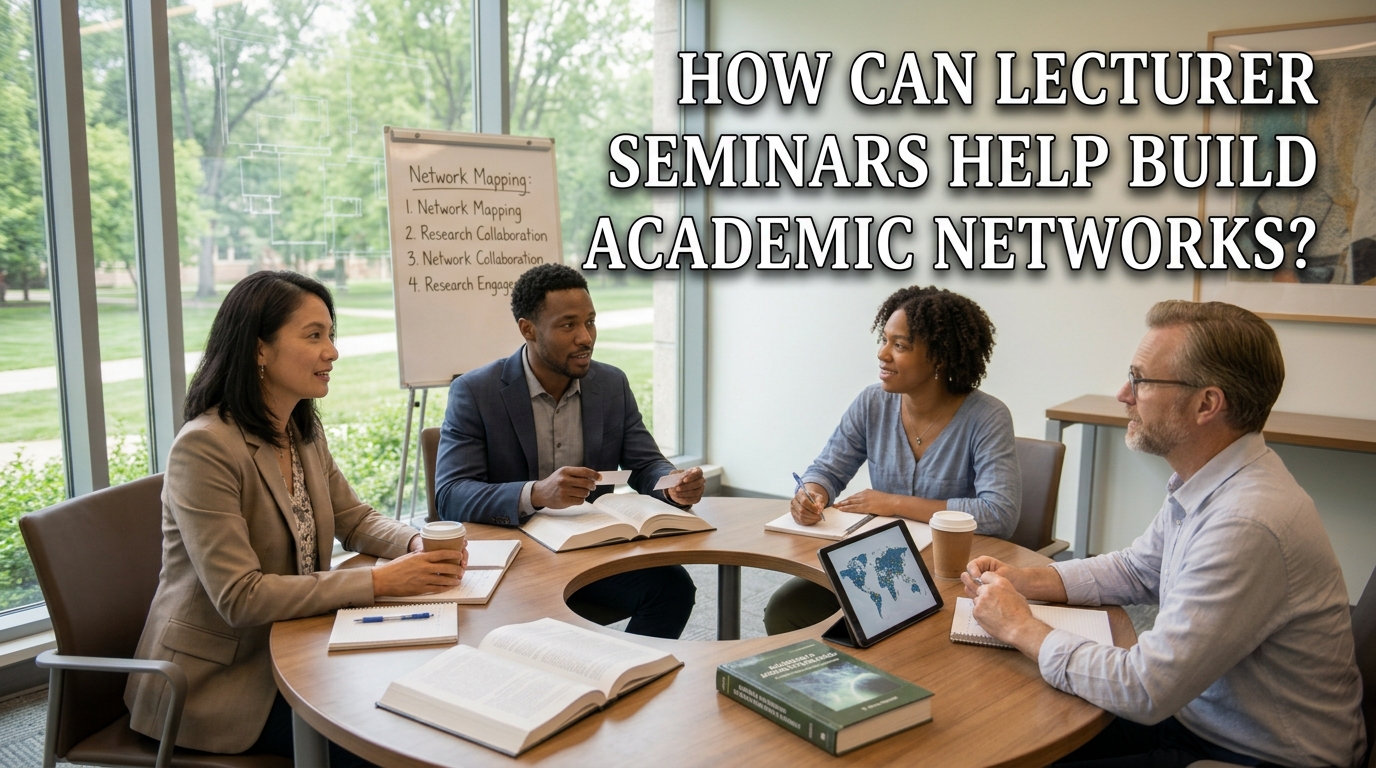
Lecturer seminars provide valuable opportunities for lecturers to exchange knowledge, discuss research, and connect with professionals from different academic institutions. In higher education, building strong professional relationships can support research collaboration, teaching innovation, and career development. Through seminars, lecturers can meet researchers, share ideas, and discover common academic interests. These connections can develop into long-term partnerships that benefit both individuals and universities.
WHAT IS AN ACADEMIC NETWORK?
An academic network is a group of lecturers, researchers, scholars, and other professionals who maintain relationships to exchange knowledge and support academic activities. These connections may involve sharing research findings, discussing teaching methods, collaborating on publications, or participating in educational projects. Academic networks can exist within one university or extend across institutions and countries. They help members access different perspectives and stay informed about developments in their fields.
Building an academic network requires more than collecting contact details. It involves creating meaningful professional relationships based on shared interests, trust, and mutual support. Lecturers can develop these relationships by participating in academic events, contributing to discussions, and maintaining communication after meetings. Lecturer seminars provide a convenient setting for beginning and strengthening these connections.
HOW LECTURER SEMINARS CREATE NETWORKING OPPORTUNITIES
Lecturer seminars bring together professionals who may have similar research interests or face comparable challenges in teaching. During presentations and discussion sessions, participants can learn about each other's expertise and academic experiences. These interactions make it easier to identify potential collaborators and exchange useful information. Seminars also provide opportunities to meet experts whom lecturers might not encounter through their regular campus activities.
Networking can happen during question-and-answer sessions, group discussions, breaks, and informal conversations. Lecturers who actively participate can introduce their research interests and learn about the work of others. Even a brief conversation may lead to future discussions or professional cooperation. Therefore, active participation in lecturer seminars can help lecturers expand their academic connections naturally.
SUPPORTING RESEARCH COLLABORATION
One important benefit of lecturer seminars is the opportunity to discover potential research partners. Lecturers may meet researchers who have complementary expertise, access to different data sources, or experience with particular research methods. These connections can help them develop research questions that benefit from multiple perspectives. Collaboration may eventually lead to joint studies, conference presentations, or scientific publications.
For example, a lecturer researching digital learning may connect with another academic specializing in educational psychology. Together, they could explore how digital learning tools influence student engagement. Successful collaboration requires clear responsibilities, shared goals, ethical research practices, and regular communication. Research collaboration developed through seminars can strengthen research quality and broaden the academic impact of participants' work.
EXCHANGING KNOWLEDGE AND TEACHING EXPERIENCES
Lecturer seminars allow participants to share practical experiences and learn how other academics address educational challenges. Discussions may cover classroom management, curriculum development, student assessment, educational technology, or innovative teaching strategies. By hearing different approaches, lecturers can discover methods that may be useful in their own classrooms. This exchange can also encourage participants to evaluate their existing teaching practices.
Academic discussions become more valuable when lecturers are willing to share both successful experiences and lessons learned from difficulties. Participants can ask questions, compare approaches, and consider how different methods might work in their institutions. These conversations encourage knowledge sharing and continuous improvement. Over time, exchanging teaching experiences can strengthen professional relationships and support better learning outcomes for students.
EXPANDING PROFESSIONAL OPPORTUNITIES
Academic networks can introduce lecturers to opportunities that may not be widely advertised or easily discovered independently. Through seminar connections, lecturers may learn about research grants, academic conferences, visiting scholar programs, editorial opportunities, or collaborative projects. Established professional relationships can also help them find mentors who offer guidance on research and career development. These opportunities may support their long-term academic goals.
However, networking does not guarantee funding, publication, or career advancement. Lecturers need to demonstrate relevant expertise, maintain professional standards, and follow up on opportunities appropriately. They should also respect institutional procedures when entering collaborations or applying for programs. Professional networking is most effective when it leads to genuine exchanges of expertise and mutually beneficial academic activities.
HOW LECTURERS CAN BUILD STRONG CONNECTIONS DURING SEMINARS
Lecturers can prepare for networking by reviewing the seminar agenda, learning about the speakers, and identifying participants with similar interests when that information is available. Preparing a brief introduction about their research or teaching experience can make initial conversations easier. They should also prepare relevant questions and be ready to listen to other participants. Clear communication and genuine curiosity help create positive first impressions.
During the seminar, lecturers should focus on meaningful conversations rather than trying to meet as many people as possible. They can exchange professional contact information with permission and discuss a suitable way to stay in touch. Asking about another person's research and offering useful insights can help establish mutual interest. These simple practices make networking more natural and productive.
MAINTAINING ACADEMIC RELATIONSHIPS AFTER THE SEMINAR
Building an academic network does not end when the seminar finishes. Lecturers should follow up with people they met by sending a brief, personalized message that refers to their conversation. They can share relevant publications, discuss ideas raised during the event, or suggest a future meeting when appropriate. Timely communication helps keep professional relationships active.
Lecturers can also maintain connections by joining academic associations, participating in research groups, attending future seminars, and collaborating on projects. Regular contact should be helpful and respectful rather than excessive. Strong networks develop through consistent communication, mutual respect, and shared academic interests. By maintaining these relationships, lecturers can turn brief seminar introductions into lasting professional connections.
THE ROLE OF UNIVERSITIES IN SUPPORTING ACADEMIC NETWORKS
Universities can help lecturers build academic networks by organizing seminars that bring together participants from different institutions and disciplines. Inviting experienced researchers and creating time for informal discussions can increase opportunities for meaningful interaction. Universities can also support hybrid events, collaborative research sessions, and interdisciplinary forums. These formats allow lecturers to connect with a wider range of academic professionals.
After seminars, universities can encourage participants to join research communities or collaborative projects. They may also provide institutional support for joint publications, research proposals, and academic exchanges. Clear policies on research ethics, authorship, and data management help ensure that collaborations develop responsibly. Institutional support can make academic networking more sustainable and beneficial for the wider academic community.
CONCLUSION
Lecturer seminars help build academic networks by bringing professionals together to exchange knowledge, discuss research, and identify shared interests. These interactions can create opportunities for research collaboration, teaching improvement, professional development, and academic exchange. However, meaningful networking requires active participation and a willingness to learn from others.
To gain lasting benefits, lecturers should prepare before seminars, engage in relevant discussions, and maintain contact afterward. Universities can strengthen these efforts by creating inclusive events and supporting collaboration between institutions. With consistent effort and genuine professional relationships, lecturer seminars can become an effective way to develop strong academic networks.
Recent Posts

Bagaimana Sistem SKS pada Program Kuliah... 22.11.2026/49 View

How Does Technology Make Daily Evaluation... 21.11.2026/76 View

Apa Strategi Menghadapi Kesenjangan antara Kompetensi... 21.11.2026/78 View

Mengapa Inventaris Aset Penting bagi Kelancaran... 21.11.2026/74 View

When Should Musicians Join a Record... 21.11.2026/78 View
