

How Can Lecturers Obtain Professional Certification in Indonesia?
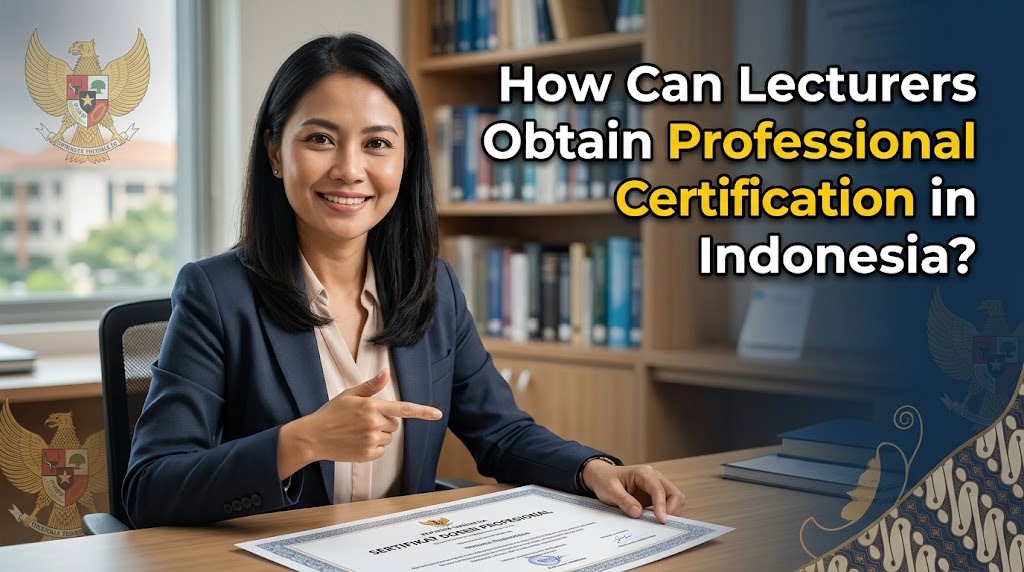
Professional certification for lecturers in Indonesia is a formal process that recognizes an educator's competence and professionalism in higher education. This certification is intended for lecturers who meet the qualifications and requirements established by the government. Through the process, lecturers can demonstrate their ability to carry out academic responsibilities, including teaching, research, and community service.
Obtaining lecturer certification requires preparation and attention to administrative procedures. Lecturers need to ensure that their academic records, professional activities, and institutional data are properly documented. Understanding the general process can help educators prepare the necessary requirements and follow the applicable certification procedures.
MEET THE BASIC ELIGIBILITY REQUIREMENTS
The first step toward obtaining professional lecturer certification is ensuring that the lecturer meets the applicable eligibility requirements. These may include academic qualifications, employment status, lecturer registration, academic position, and other conditions determined by the relevant regulations. The requirements can change according to government policies and certification program guidelines.
Lecturers should also confirm that their employment and academic information have been recorded correctly in the official higher education data system. Accurate institutional records are important because the certification process relies on verified information. If there are differences between personal documents and institutional data, lecturers should coordinate with their university to resolve them before proceeding.
ENSURE THAT ACADEMIC AND EMPLOYMENT DATA ARE COMPLETE
Accurate data is an essential part of the lecturer certification process in Indonesia. Lecturers should review their academic qualifications, employment information, academic position, teaching records, and other relevant details. These records help establish whether an applicant meets the administrative requirements of the certification program.
Lecturers can coordinate with their university's academic or human resources administration to check the information recorded in the relevant systems. Supporting documents should also be prepared and kept in an organized format. Reviewing these details early can reduce the possibility of administrative problems during the application process.
PREPARE THE REQUIRED PROFESSIONAL DOCUMENTS
Another important step is preparing documents that demonstrate academic qualifications and professional activities. Depending on the applicable certification guidelines, these may include educational certificates, employment records, lecturer identification information, and evidence of teaching, research, or community service activities.
Some certification procedures may also require lecturers to prepare a professional portfolio or complete specific assessment activities. The portfolio can contain information about academic achievements, teaching experiences, publications, and contributions to the institution or community. Applicants should follow the official document format and submission instructions rather than relying on outdated examples from other certification periods.
FOLLOW THE OFFICIAL CERTIFICATION SELECTION PROCESS
After meeting the administrative requirements, eligible lecturers must follow the official lecturer certification procedure established for the relevant period. The process may involve institutional verification, registration, document submission, competency assessment, or other evaluation stages. The exact sequence depends on the current certification policy and the applicable program guidelines.
Lecturers should obtain information from their university and the official government channels responsible for higher education. They also need to pay attention to registration schedules, submission deadlines, assessment instructions, and announcements about application status. Following official information helps applicants avoid confusion caused by unofficial sources or procedures that are no longer applicable.
MONITOR THE APPLICATION AND COMPLETE THE REQUIRED FOLLOW-UP
Submitting an application does not necessarily mean that the certification process has been completed. Lecturers should continue monitoring their lecturer certification status through the official channels provided by their institution or the relevant authorities. If additional information or corrections are requested, applicants should follow the instructions within the specified period.
Once the assessment process is completed, the certification result will be determined according to the applicable rules. Lecturers who receive certification should keep their official records and continue maintaining their professional competence. Those who have not met the requirements can review the evaluation information and prepare for further opportunities in accordance with the current regulations.
CONCLUSION
Lecturers can obtain professional certification in Indonesia by meeting the eligibility requirements, checking academic and employment data, preparing supporting documents, and following the official certification procedure. Each stage requires careful attention because administrative accuracy and professional evidence are important parts of the evaluation process.
The specific requirements, schedules, and assessment methods may change according to government policies. Therefore, lecturers should always refer to the latest information from their universities and official higher education authorities. With proper preparation and accurate documentation, lecturers can follow the certification process more systematically while continuing to develop their professional competencies.
Recent Posts

Bagaimana Sistem SKS pada Program Kuliah... 22.11.2026/45 View

How Does Technology Make Daily Evaluation... 21.11.2026/73 View

Apa Strategi Menghadapi Kesenjangan antara Kompetensi... 21.11.2026/75 View

Mengapa Inventaris Aset Penting bagi Kelancaran... 21.11.2026/71 View

When Should Musicians Join a Record... 21.11.2026/75 View
