

How Can Literacy Movements Improve Human Resource Quality and Competitiveness?
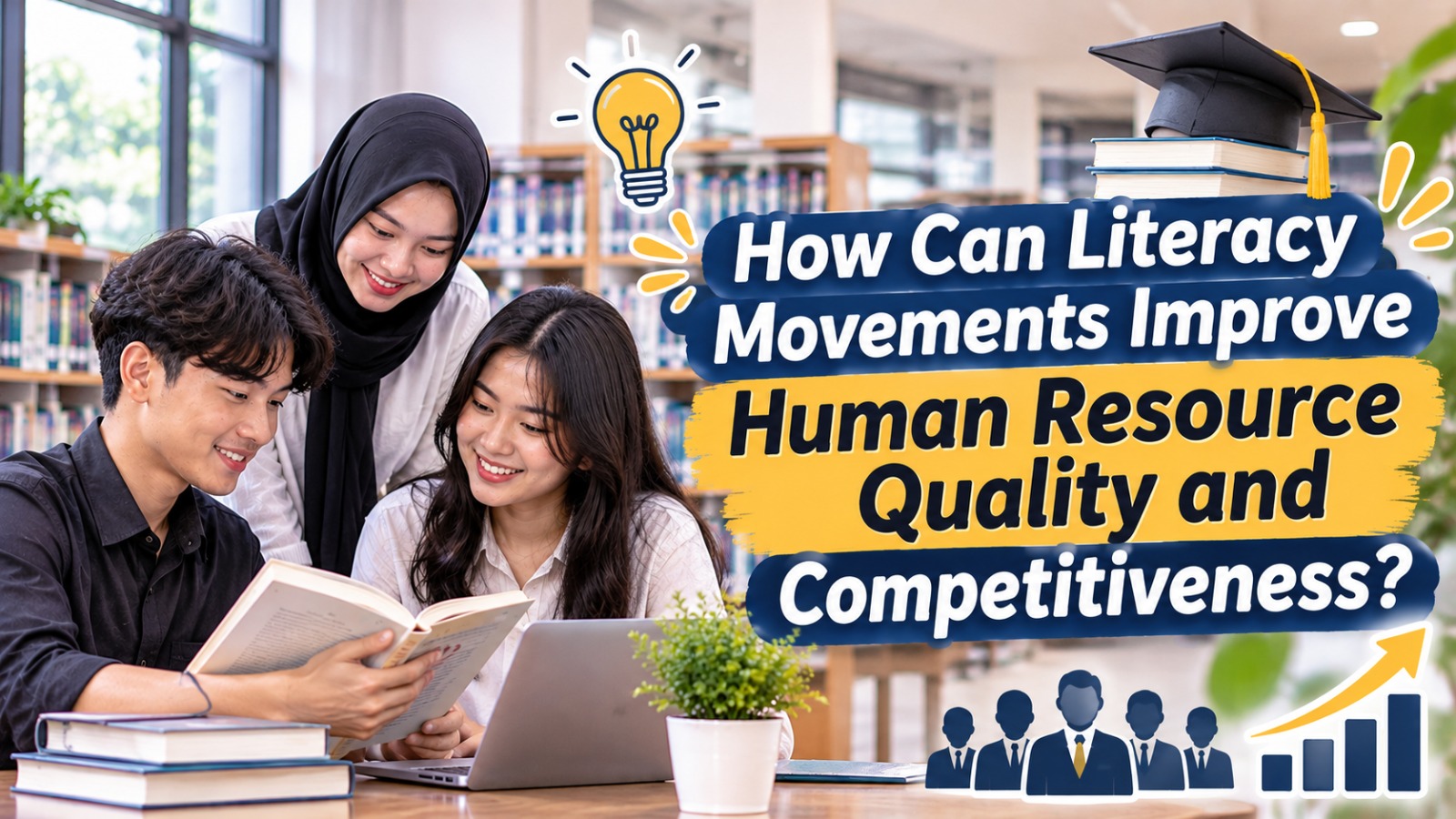
Literacy movements play an important role in improving human resource quality and competitiveness in modern society. As technology, industries, and economic activities continue to develop, individuals need sufficient knowledge and skills to adapt to changing demands. Literacy helps people understand information, communicate effectively, solve problems, and make better decisions in their personal and professional lives.
Literacy is no longer limited to reading and writing because modern workplaces also require digital, financial, information, and media literacy. Individuals who develop these abilities have greater opportunities to improve their competencies and participate in professional environments. Through organized literacy programs, educational activities, and community involvement, society can develop more knowledgeable, productive, and competitive human resources.
UNDERSTANDING THE RELATIONSHIP BETWEEN LITERACY AND HUMAN RESOURCE QUALITY
Literacy refers to the ability to read, write, understand, interpret, and use information effectively. These abilities provide an important foundation for developing human resources because they influence how individuals acquire knowledge and apply it in everyday situations. People with strong literacy skills generally have better opportunities to understand instructions, communicate ideas, and complete various responsibilities.
Human resource quality is determined by several factors, including education, knowledge, professional skills, creativity, discipline, and adaptability. Literacy movements support these factors by encouraging individuals to continue learning and improve their abilities. Through reading activities, educational workshops, and information-sharing programs, people can gain knowledge that supports their personal and professional development.
Furthermore, literacy helps individuals become more independent when seeking information and solving problems. Instead of relying entirely on other people, they can explore different learning resources and evaluate information before making decisions. Therefore, literacy movements contribute to building human resources that are more capable, responsible, and prepared to face modern challenges.
IMPROVING KNOWLEDGE AND PROFESSIONAL COMPETENCIES
One important benefit of literacy movements is their ability to expand knowledge and improve professional competencies. Reading books, professional articles, research publications, and educational materials allows individuals to understand new concepts and developments in their fields. This knowledge can help workers improve their performance and become more confident when handling professional responsibilities.
For example, employees in business, technology, education, and manufacturing need to understand developments related to their industries. By accessing reliable information and participating in continuous learning activities, they can discover new methods, improve their technical knowledge, and adapt to changing workplace requirements.
Literacy movements can support this development through professional reading communities, training programs, public libraries, and digital learning activities. These opportunities allow individuals to develop competencies beyond their formal education. As a result, literacy becomes an important foundation for improving workforce capabilities and supporting long-term career development.
DEVELOPING CRITICAL THINKING AND PROBLEM-SOLVING ABILITIES
Modern workplaces require individuals who can analyze information, identify problems, and develop effective solutions. Literacy movements help develop these abilities by encouraging people to examine information, compare different perspectives, and understand the relationships between ideas. These activities strengthen critical thinking and analytical skills.
For example, employees may need to evaluate business reports, understand customer feedback, or identify problems in workplace procedures. Individuals with strong literacy skills can interpret information more accurately and consider possible solutions before making decisions. This ability is valuable because workplace challenges often require logical reasoning rather than simple memorization.
In addition, literacy activities such as group discussions, research projects, and case studies can improve problem-solving abilities. Participants learn to express arguments, evaluate evidence, and consider alternative approaches. These skills help individuals become more effective workers who can contribute to organizational development and innovation.
STRENGTHENING DIGITAL LITERACY IN THE MODERN WORKPLACE
Digital technology has changed the way companies operate and how employees complete their responsibilities. Many industries now depend on digital communication, data management, online platforms, and specialized software. Therefore, digital literacy has become an essential competency for improving human resource quality and workplace competitiveness.
Digital literacy enables individuals to use technology effectively, search for relevant information, communicate through digital platforms, and understand basic cybersecurity practices. Employees also need to recognize misleading information and protect confidential data when working with digital systems. These abilities help reduce errors and support more responsible technology use.
Literacy movements can introduce digital skills through computer training, online courses, technology workshops, and practical learning programs. Such activities are particularly useful for individuals who have limited experience with digital tools. By improving access to digital education, communities can prepare more people to participate in technology-driven workplaces and changing economic environments.
ENCOURAGING CREATIVITY, INNOVATION, AND ENTREPRENEURSHIP
Literacy movements can also encourage creativity and innovation by exposing individuals to new ideas, knowledge, and experiences. Reading different types of materials helps people understand various perspectives and discover opportunities to develop new products, services, or solutions. This process can support creative thinking and improve their ability to respond to challenges.
For aspiring entrepreneurs, literacy provides important knowledge about business management, marketing, financial planning, customer behavior, and market development. Understanding these subjects can help individuals prepare business strategies, evaluate risks, and manage resources more effectively. Financial literacy is particularly valuable because it helps entrepreneurs make informed decisions about income, expenses, savings, and investments.
Furthermore, communities can organize entrepreneurship workshops, business reading groups, and practical training programs as part of broader literacy movements. Participants can exchange experiences and learn from successful business practices. These activities may encourage more people to develop independent businesses, create employment opportunities, and contribute to economic growth.
BUILDING A COMPETITIVE AND ADAPTIVE WORKFORCE
A competitive workforce requires individuals who can adapt to technological developments, changing industry standards, and evolving professional expectations. Literacy movements support this process by encouraging continuous learning and improving people's ability to understand new information. Workers who regularly develop their knowledge are better prepared to face changes in their professional environments.
Organizations also benefit from employees who possess strong communication, analytical, and digital literacy skills. These competencies can improve teamwork, increase productivity, and support better decision-making. Employees who understand their responsibilities and can communicate effectively are more likely to contribute positively to organizational performance.
However, improving workforce competitiveness requires cooperation between educational institutions, businesses, government organizations, and communities. Schools and universities can strengthen basic literacy skills, while companies can provide professional training and opportunities for continuous development. Government institutions can also support literacy programs through educational policies, public facilities, and accessible training opportunities. This collaboration helps create high-quality human resources that can compete in both national and international environments.
CONCLUSION
Literacy movements can improve human resource quality and competitiveness by expanding knowledge, strengthening professional competencies, developing critical thinking, and improving digital literacy. These abilities help individuals become more productive, creative, and adaptable when facing changes in education, technology, and the workplace.
The success of literacy movements requires continuous participation from individuals, educational institutions, businesses, communities, and government organizations. Providing accessible learning resources and relevant training programs can help more people improve their abilities. With strong literacy foundations, society can develop qualified human resources that support innovation, economic growth, and sustainable national development.
Recent Posts

Bagaimana Sistem SKS pada Program Kuliah... 22.11.2026/25 View

How Does Technology Make Daily Evaluation... 21.11.2026/64 View

Apa Strategi Menghadapi Kesenjangan antara Kompetensi... 21.11.2026/65 View

Mengapa Inventaris Aset Penting bagi Kelancaran... 21.11.2026/62 View

When Should Musicians Join a Record... 21.11.2026/61 View
