

How Can Mobile Samsat Speed Up Vehicle Tax Payments?
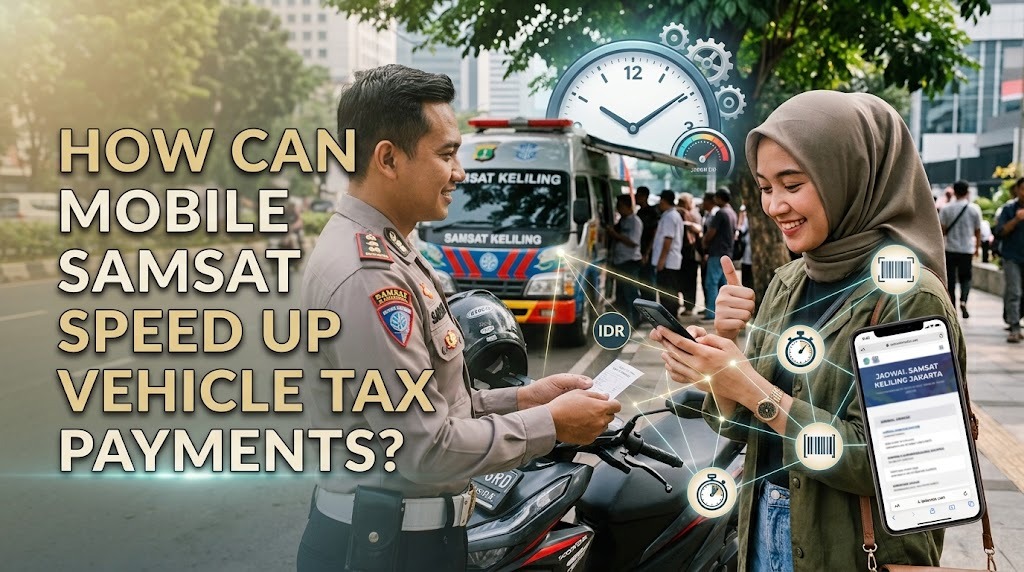
Mobile Samsat helps vehicle owners pay eligible annual vehicle taxes through services provided at designated locations outside permanent Samsat offices. By bringing services closer to the public, this system can reduce travel time and make routine vehicle administration more accessible. However, the speed of each transaction depends on document readiness, visitor numbers, payment procedures, and system availability. Understanding how Mobile Samsat works can help vehicle owners complete their tax payments more efficiently.
BRINGING TAX SERVICES CLOSER TO THE PUBLIC
Mobile Samsat can reduce the time vehicle owners spend traveling to a permanent Samsat office. Service units visit designated locations, making eligible tax payment services more accessible to people living or working nearby. Shorter travel distances allow taxpayers to spend less time on transportation and more time on their daily responsibilities. This convenience can make it easier for vehicle owners to fulfill their tax obligations promptly.
REDUCING ADMINISTRATIVE STEPS
Mobile Samsat provides selected vehicle administration services at a designated service point. For eligible transactions, vehicle owners can present their documents, have their information verified, and follow the payment procedure without necessarily visiting a separate permanent office. Handling these steps through one service unit can simplify the process. However, transactions requiring additional verification or procedures outside the mobile unit's authority may still need to be completed elsewhere.
VERIFYING DOCUMENTS BEFORE PAYMENT
Complete and accurate documents can help prevent unnecessary delays during the payment process. Vehicle owners should prepare the original STNK, identification documents, and any additional requirements specified by the local Samsat authority. Missing documents or discrepancies in vehicle information may require further checks before the transaction can proceed. Reviewing the requirements before visiting helps officers process eligible applications more efficiently.
IMPROVING ACCESS THROUGH SCHEDULED SERVICES
Mobile Samsat operates at designated locations according to published schedules. This arrangement allows vehicle owners to identify a nearby service point and plan their visit in advance. Checking the schedule before departure can prevent wasted trips and help visitors arrive during the correct operating hours. When taxpayers plan ahead, they can also choose a suitable time and allow enough time for the transaction.
SUPPORTING MORE EFFICIENT PAYMENT PROCEDURES
A clear payment process helps vehicle owners understand what to do after their documents and vehicle information have been checked. Officers can provide instructions about the amount due, accepted payment methods, and the steps required to complete the transaction. Following these instructions carefully reduces confusion and the risk of payment errors. Vehicle owners should confirm the official amount and use only authorized payment channels.
USING DIGITAL SYSTEMS FOR VERIFICATION
Digital systems can support the verification of vehicle information and the processing of eligible tax transactions. When these systems operate properly, officers may be able to access relevant records and process payments more efficiently. However, the speed of a transaction still depends on system availability, network connectivity, and the accuracy of the submitted information. Technical disruptions may temporarily delay service, so visitors should allow some flexibility in their schedules.
HELPING TAXPAYERS AVOID LAST-MINUTE PAYMENTS
Mobile Samsat gives vehicle owners another option for completing eligible annual vehicle tax payments. Knowing the locations and schedules in advance can help taxpayers plan their payments before the due date instead of waiting until the last moment. Early planning provides more time to address missing documents, unexpected queues, or other administrative issues. It can also reduce the pressure associated with completing payments close to the deadline.
MANAGING QUEUES AND VISITOR FLOW
The efficiency of Mobile Samsat also depends on how visitors are managed at each service location. Clear queue arrangements, accessible information, and organized document checks can help reduce confusion and keep the process moving. Vehicle owners can contribute by preparing their documents, following staff instructions, and ensuring that their transaction is eligible for the service. Although these practices cannot eliminate waiting times, they can help prevent avoidable delays.
LIMITATIONS THAT CAN AFFECT PAYMENT SPEED
Mobile Samsat does not guarantee that every payment will be completed immediately. Long queues, incomplete documents, technical problems, schedule changes, and cases requiring additional verification can affect processing time. Service availability and procedures may also differ between regions. Checking current official information and confirming the service scope before visiting can help taxpayers prepare for these possible challenges.
CONCLUSION
Mobile Samsat can speed up vehicle tax payments by bringing services closer to taxpayers, simplifying eligible transactions, supporting document verification, and providing scheduled service locations. Complete documents, advance planning, and clear payment procedures can further reduce avoidable delays. Although actual processing times depend on local conditions and system availability, preparing properly helps vehicle owners complete their annual tax obligations more efficiently.
Recent Posts

Bagaimana Sistem SKS pada Program Kuliah... 22.11.2026/57 View

How Does Technology Make Daily Evaluation... 21.11.2026/86 View

Apa Strategi Menghadapi Kesenjangan antara Kompetensi... 21.11.2026/84 View

Mengapa Inventaris Aset Penting bagi Kelancaran... 21.11.2026/82 View

When Should Musicians Join a Record... 21.11.2026/86 View
