

How Can Moral Education Prevent Bullying in Schools?
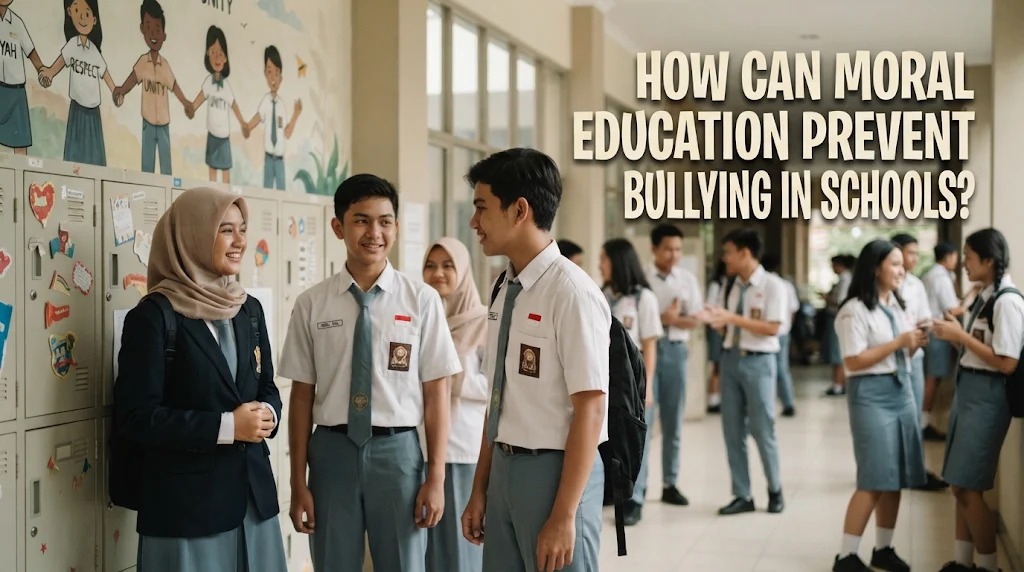
Bullying is a serious problem that can affect students' emotional well-being, confidence, and academic performance. It can happen through physical actions, verbal insults, social exclusion, or online harassment. One effective way to prevent bullying is through moral education. By teaching values such as empathy, respect, responsibility, and tolerance, schools can help students understand the importance of treating others fairly and kindly.
UNDERSTANDING THE ROLE OF MORAL EDUCATION
Moral education helps students distinguish between right and wrong and understand how their actions affect other people. It teaches them to respect differences, control their behavior, and take responsibility for their decisions. These lessons can help students recognize that bullying is harmful and should never be considered normal or acceptable.
Through moral education, students also learn that everyone deserves to feel safe and respected at school. When these values are introduced consistently, students are more likely to develop positive attitudes toward their classmates and avoid behaviors that cause emotional or physical harm.
DEVELOPING EMPATHY AND RESPECT FOR OTHERS
Empathy is an important value in preventing bullying because it encourages students to understand other people's feelings. Students who can imagine how painful bullying can be are more likely to think carefully before making hurtful comments or actions. They can also become more willing to support classmates who experience unfair treatment.
Respect is equally important because every student has different backgrounds, appearances, abilities, and opinions. Moral education teaches students to accept these differences instead of using them as reasons to mock or exclude others. As a result, students can build healthier friendships and create a more inclusive school environment.
TEACHING STUDENTS TO TAKE RESPONSIBILITY
Moral education encourages students to understand that every action has consequences. Students need to recognize that bullying is not simply a joke or harmless behavior because it can seriously affect another person's life. They should learn to apologize, correct their mistakes, and avoid repeating harmful actions.
Teachers and parents can develop responsibility by encouraging students to admit their mistakes and respect school rules. Students should also understand that ignoring bullying when they have an opportunity to help can allow the behavior to continue. Taking responsibility means choosing to protect others and contribute to a safer environment.
BUILDING A POSITIVE SCHOOL ENVIRONMENT
A positive school environment can reduce bullying by making kindness, cooperation, and mutual respect part of everyday activities. Schools can organize discussions, group projects, and character-building programs that encourage students to work together. These activities help students understand the importance of supporting one another rather than competing through harmful behavior.
Teachers also play an important role by setting good examples and responding appropriately to bullying incidents. Schools should provide clear reporting systems so students feel safe when asking for help. When students see that bullying is taken seriously, they are more likely to trust teachers and follow positive behavior.
ENCOURAGING STUDENTS TO SPEAK UP AGAINST BULLYING
Preventing bullying is not only the responsibility of teachers and school staff but also of students. Moral education can encourage students to speak up when they witness bullying instead of remaining silent. They can support victims, report incidents to trusted adults, and refuse to participate in behavior that humiliates others.
Students should also learn how to help without putting themselves in danger. Reporting bullying is an important step because it allows teachers to investigate the situation and provide appropriate support. A school community becomes stronger when students understand that protecting others is a shared responsibility.
STRENGTHENING COOPERATION BETWEEN PARENTS AND SCHOOLS
Parents and schools need to work together to teach consistent moral values. Children learn not only from classroom lessons but also from the behavior they observe at home. Parents can teach kindness, honesty, empathy, and respect through daily conversations and positive examples.
Schools can communicate with parents about students' behavior and discuss ways to address bullying. When parents and teachers cooperate, they can identify behavioral problems earlier and provide suitable guidance. Consistent support from both environments helps children develop stronger character and healthier relationships.
CONCLUSION
Moral education can prevent bullying in schools by developing empathy, respect, responsibility, and tolerance among students. These values help students understand the negative effects of bullying and encourage them to treat others fairly. With cooperation between teachers, parents, and students, schools can create a safer, more supportive, and respectful learning environment.
Recent Posts

How Does Technology Make Daily Evaluation... 21.11.2026/57 View

Apa Strategi Menghadapi Kesenjangan antara Kompetensi... 21.11.2026/59 View

Mengapa Inventaris Aset Penting bagi Kelancaran... 21.11.2026/55 View

When Should Musicians Join a Record... 21.11.2026/54 View

Daily Evaluation or Daily Planning Which... 21.11.2026/61 View
