

How Can Organizations Protect Data on Membership Cards?
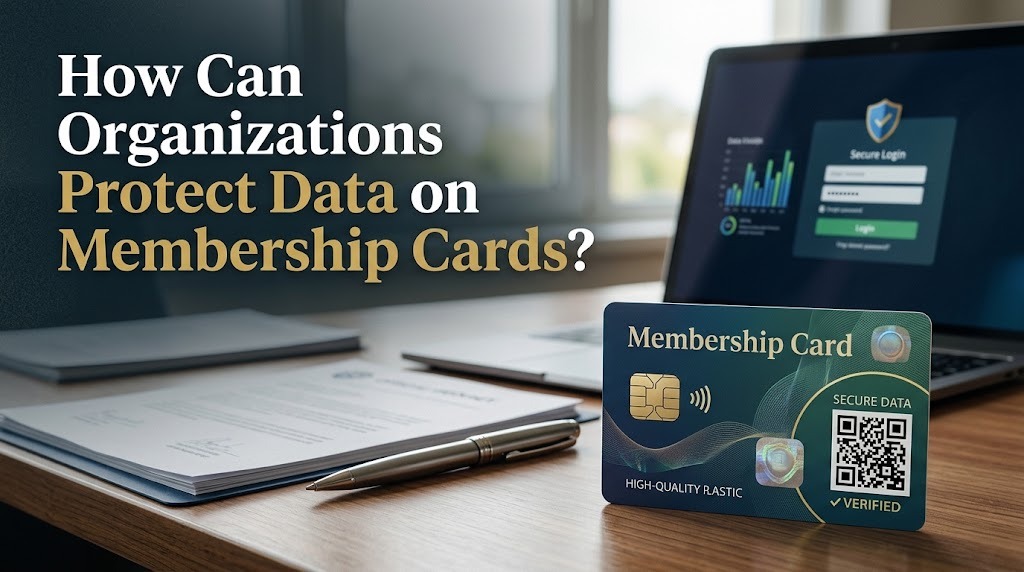
A membership card is an official identification document that contains personal information used to recognize individuals as members of an organization. It is commonly used by professional associations, educational institutions, student organizations, sports clubs, and social communities. The information displayed on these cards may include a member's full name, identification number, photograph, membership status, and other relevant details.
As organizations increasingly adopt digital membership systems, protecting personal information has become an important responsibility. Membership data can be exposed to unauthorized access, identity misuse, data theft, or other security risks if it is not managed properly. Therefore, organizations need effective security measures to protect member information while ensuring that membership services remain accessible and reliable.
LIMITING THE PERSONAL INFORMATION DISPLAYED ON MEMBERSHIP CARDS
One of the most effective ways to protect membership data is by limiting the personal information displayed on identification cards. Organizations should only include details that are necessary for identifying members and supporting administrative activities.
For example, a standard membership card may contain the member's name, membership number, photograph, organization name, and expiration date. Sensitive information such as complete home addresses, financial details, personal identification numbers, or other confidential data should generally not be displayed unless there is a specific and justified need.
Reducing unnecessary information helps minimize the consequences if a membership card is lost, stolen, or viewed by unauthorized individuals. It also supports better privacy practices because members do not need to expose more personal information than necessary.
Organizations should regularly review their card designs and data requirements. This ensures that the information collected and displayed remains relevant to the organization's actual identification needs.
USING STRONG DATA ENCRYPTION AND SECURITY SYSTEMS
Organizations that use digital membership cards should implement data encryption to protect information stored and transmitted through electronic systems. Encryption converts readable information into a protected format that can only be accessed by authorized systems or individuals with the appropriate decryption methods.
For example, when members access their digital cards through an application, encryption can help protect their information during communication between devices and organizational servers. This reduces the risk of personal data being intercepted during transmission.
In addition to encryption, organizations should use secure platforms, updated software, and reliable authentication systems. These measures help prevent unauthorized individuals from accessing membership databases.
Security systems should also be reviewed regularly to identify weaknesses and respond to new threats. Working with qualified technology professionals can help organizations maintain appropriate protection for their digital membership services.
RESTRICTING ACCESS TO MEMBERSHIP DATABASES
Another important security measure is controlling who can access membership databases. Not every employee or organizational member needs permission to view personal information belonging to other individuals.
Organizations should establish access permissions based on job responsibilities. For example, membership administrators may need access to registration details, while event organizers may only require basic identification information to verify attendance.
Using individual accounts and strong passwords can help organizations monitor database access. Multi-factor authentication can provide an additional layer of protection by requiring users to confirm their identity through more than one verification method.
Organizations should also review access permissions whenever employees change positions or leave their responsibilities. Removing unnecessary access helps reduce the possibility of internal data misuse and unauthorized information disclosure.
KEEPING MEMBERSHIP INFORMATION ACCURATE AND UPDATED
Maintaining accurate membership information is another important part of data protection. Outdated or incorrect records can create administrative problems and increase the risk of sending confidential information to the wrong person.
Organizations should provide clear procedures that allow members to update their personal information when necessary. For example, members should be able to report changes to their contact details, request corrections, or update information related to their membership status.
Administrators should verify important changes before modifying official records. This helps prevent unauthorized individuals from changing someone else's membership information.
Regular database maintenance is also necessary to identify duplicate records, remove information that is no longer needed when legally permitted, and ensure that membership details remain consistent. Proper record management supports both data accuracy and privacy protection.
PREVENTING CARD LOSS, DUPLICATION, AND UNAUTHORIZED USE
Organizations should establish procedures to prevent membership card misuse. Physical cards can be lost, stolen, copied, or used by people who are not authorized to represent the actual member.
One solution is to include identification features such as photographs, unique membership numbers, QR codes, or barcodes. These elements can help administrators verify whether a card is genuine and belongs to the person presenting it.
For digital membership cards, organizations should use secure account access and verification procedures. Members should be encouraged to protect their login credentials and avoid sharing screenshots containing sensitive information.
Organizations must also provide a clear reporting process for lost or stolen cards. Once a problem is reported, administrators should be able to deactivate the old card, investigate possible misuse, and issue a replacement when appropriate.
PROVIDING DATA PRIVACY POLICIES AND MEMBER EDUCATION
Effective membership data protection requires clear data privacy policies and awareness among everyone involved. Organizations should explain what information they collect, why it is needed, how it is stored, and who is authorized to access it.
Members should also understand their rights and responsibilities regarding personal information. They need to know how to update incorrect records, report suspicious activities, and contact administrators when they experience privacy concerns.
Organizations should provide regular training for employees and administrators who handle membership information. Training can cover password security, phishing awareness, safe document handling, and procedures for responding to data incidents.
Furthermore, organizations should follow applicable personal data protection regulations. In Indonesia, institutions must consider the requirements of Law Number 27 of 2022 concerning Personal Data Protection. Following relevant legal obligations helps organizations manage member information responsibly and maintain public trust.
CONCLUSION
Organizations can protect membership card data by limiting displayed personal information, using encryption, restricting database access, maintaining accurate records, and preventing unauthorized card use. Clear privacy policies and regular security training are also essential for protecting member information.
As digital membership systems become more common, organizations must continuously improve their security practices. Protecting personal data is not only a technical responsibility but also an important part of maintaining member trust and organizational credibility. With appropriate security measures, organizations can provide reliable membership services while keeping personal information safe.
Recent Posts

Bagaimana Sistem SKS pada Program Kuliah... 22.11.2026/48 View

How Does Technology Make Daily Evaluation... 21.11.2026/76 View

Apa Strategi Menghadapi Kesenjangan antara Kompetensi... 21.11.2026/78 View

Mengapa Inventaris Aset Penting bagi Kelancaran... 21.11.2026/73 View

When Should Musicians Join a Record... 21.11.2026/78 View
