

How Can OTP Codes Help Secure Online Banking Transactions?
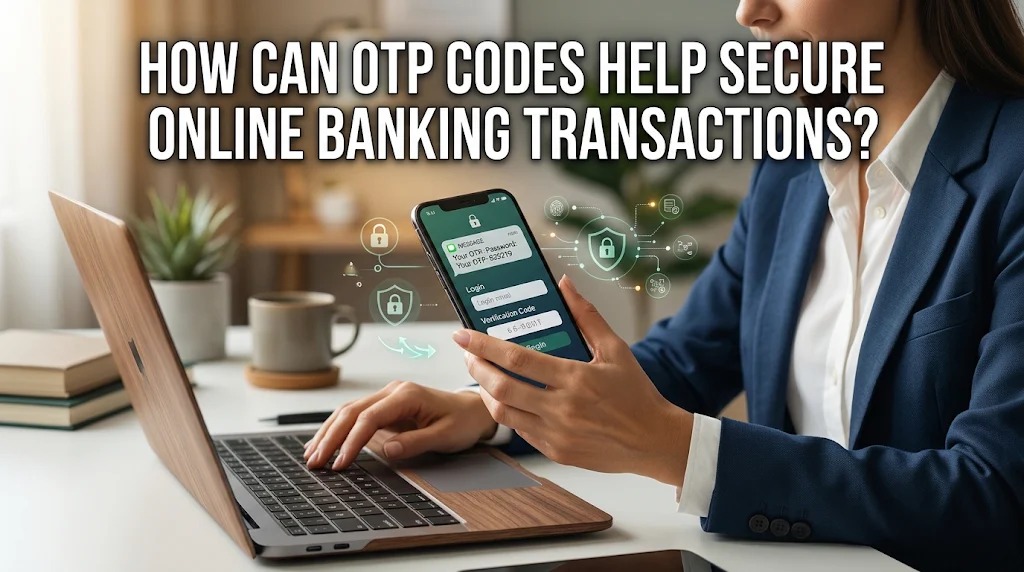
Online banking has made financial activities faster and more convenient. Users can transfer money, pay bills, check account balances, and complete various transactions without visiting a bank branch. However, the increasing use of digital banking also creates security risks, including unauthorized access, identity theft, phishing attacks, and financial fraud. Therefore, banks need reliable security systems to protect customers and their financial information.
One commonly used security feature is an OTP (One-Time Password). This temporary verification code helps banks confirm that a transaction or account activity is authorized by the legitimate user. OTP codes are generally delivered through SMS, email, or authenticator applications, depending on the bank's security system.
By requiring additional verification, OTP technology can make it more difficult for criminals to complete unauthorized transactions using stolen passwords alone. Understanding how OTP codes work can help customers use online banking more safely and recognize potential digital threats.
UNDERSTANDING THE ROLE OF OTP CODES IN ONLINE BANKING
An OTP code is a temporary password generated for a specific authentication process. Unlike regular passwords, which can be reused, an OTP is designed for one-time use or a limited validity period. This feature reduces the possibility of someone reusing an old verification code to gain unauthorized access.
In online banking, OTP codes are commonly used when customers log in, add a new device, change security settings, or confirm financial transactions. For example, when a customer transfers money to another bank account, the banking system may request an OTP before completing the transaction. The code helps confirm that the person performing the activity has access to the registered authentication method.
OTP technology also supports stronger identity verification by adding another security requirement beyond a regular password. When combined with other authentication factors, it becomes part of Multi-Factor Authentication (MFA). This approach helps reduce the risks associated with compromised login credentials.
HOW OTP VERIFICATION WORKS DURING BANKING TRANSACTIONS
The OTP verification process generally begins when a customer performs an activity that requires additional security confirmation. After the customer enters the required transaction information, the banking system may generate a temporary verification code. This code is then delivered through the registered mobile number, email address, or an approved authentication application.
Once the customer receives the code, they must enter it into the designated verification field. The banking system checks whether the submitted code matches the expected authentication information and remains within its validity period. If the verification is successful, the system can proceed with the requested transaction.
However, if the OTP is incorrect, expired, or has already been used, the banking system may reject the verification attempt. Some banks also limit the number of incorrect attempts to prevent repeated unauthorized access. These security measures help protect customers from suspicious activities and reduce the risk of fraudulent transactions.
PROTECTING CUSTOMERS FROM UNAUTHORIZED FINANCIAL TRANSACTIONS
One of the main benefits of OTP codes is their ability to provide an additional barrier against unauthorized banking transactions. If criminals obtain a customer's regular banking password, they may still face another verification requirement before accessing certain account features or completing financial activities.
For example, a cybercriminal who steals login credentials through a phishing website may attempt to transfer money from the victim's account. If the bank requires an additional OTP confirmation, the criminal may be unable to complete the transaction without obtaining the verification code. This can provide customers with another opportunity to recognize suspicious activity and secure their accounts.
OTP verification is particularly useful for sensitive activities, including fund transfers, online purchases, and changes to account security settings. However, it does not guarantee complete protection. Criminals may still use social engineering, fake banking notifications, or SIM-swapping attacks to obtain verification codes. Therefore, customers must remain careful when handling authentication information.
DIFFERENT OTP METHODS USED BY DIGITAL BANKING SERVICES
Banks use different methods to deliver OTP codes, depending on their security infrastructure and customer requirements. Each method has different advantages and potential weaknesses. Understanding these options can help customers recognize which authentication methods are available and how to use them safely.
- SMS OTP: A temporary verification code is sent through a text message to the customer's registered mobile number. This method is widely used because it works with most mobile phones.
- Email OTP: The verification code is delivered to the email address registered with the banking service. Its security depends partly on how well the customer protects their email account.
- Authenticator App: A dedicated application generates temporary verification codes directly on a smartphone. This method can work without an active internet connection after the initial configuration.
- In-App Verification: Some banks provide transaction approval directly through their official mobile banking applications. Customers can review and confirm specific activities within the application.
Among these options, authenticator applications and secure in-app approval systems can offer stronger protection against certain attacks targeting SMS messages. Nevertheless, customers should follow their bank's official security recommendations and protect their registered devices from unauthorized access.
BEST PRACTICES FOR KEEPING BANKING OTP CODES SECURE
Although OTP codes improve banking security, their effectiveness depends on how responsibly customers handle them. The most important rule is to never share an OTP code with anyone. Bank employees, customer service representatives, and other individuals should not ask customers to disclose their active verification codes through phone calls or messaging applications.
Customers should also avoid clicking suspicious links received through SMS, email, or social media. Criminals frequently create fake banking websites that imitate official platforms to steal login credentials and OTP codes. Instead of following unfamiliar links, customers should access their accounts through the bank's official application or verified website.
Another important practice is protecting the mobile device used for banking authentication. Activate a secure screen lock, install application updates, and download banking applications only from trusted sources. Customers should also review transaction notifications regularly and report unfamiliar activities immediately.
WHAT SHOULD CUSTOMERS DO WHEN THEY RECEIVE AN UNEXPECTED OTP?
Receiving an OTP without requesting one may indicate that someone has entered the customer's phone number or is attempting to access their banking account. Although this does not automatically mean the account has been compromised, the notification should never be ignored.
Customers should never share the unexpected OTP code or respond to messages asking for additional personal information. They should independently open their official banking application and check for unfamiliar login attempts or suspicious transactions. If there are signs of unauthorized activity, immediately change the banking password if possible and contact the bank through its official customer service channel.
If customers suspect that their mobile number or authentication method has been compromised, they should ask the bank to secure the account and investigate the situation. Reporting suspicious activities quickly can help prevent further financial losses. Customers should also follow the bank's official procedures for blocking access or disputing unauthorized transactions when necessary.
CONCLUSION
OTP codes help secure online banking transactions by providing an additional layer of identity verification. They require customers to confirm certain activities using temporary passwords, making it more difficult for unauthorized individuals to complete transactions using stolen login credentials alone. This technology is useful for protecting fund transfers, account access, and other sensitive banking activities.
However, OTP verification is not completely immune to cyber threats. Phishing, social engineering, and SIM-swapping attacks can still expose customers to financial risks. Therefore, users should keep verification codes confidential, protect their mobile devices, and monitor banking activities regularly. Combining OTP technology with responsible digital habits can help create a safer online banking experience.
Recent Posts

Bagaimana Sistem SKS pada Program Kuliah... 22.11.2026/34 View

How Does Technology Make Daily Evaluation... 21.11.2026/68 View

Apa Strategi Menghadapi Kesenjangan antara Kompetensi... 21.11.2026/68 View

Mengapa Inventaris Aset Penting bagi Kelancaran... 21.11.2026/66 View

When Should Musicians Join a Record... 21.11.2026/67 View
