

How Can Packaging Strengthen Brand Identity?
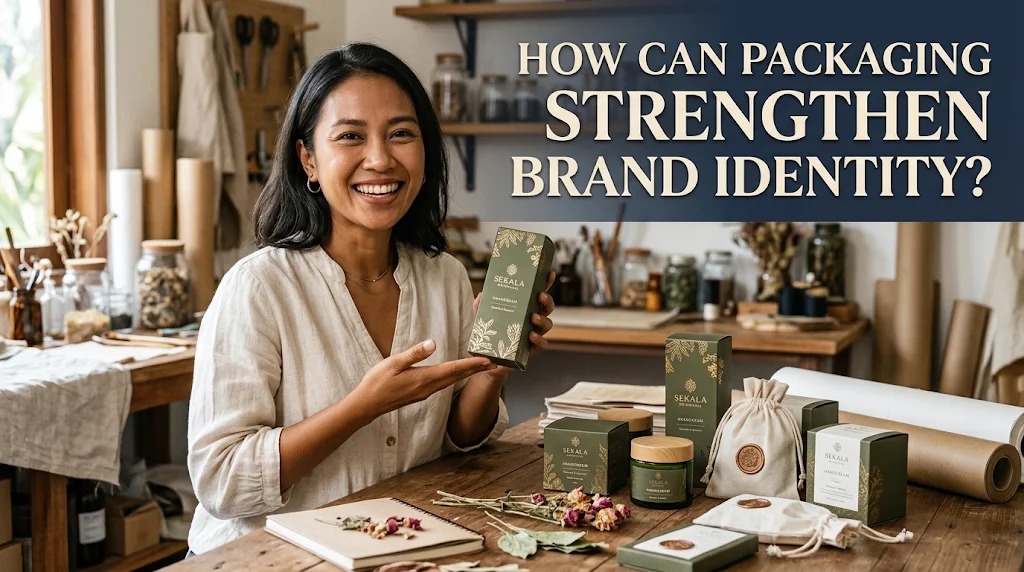
Packaging is more than a protective covering for a product. It is also an important branding element that helps businesses communicate their identity and attract customers. Through colors, typography, shapes, materials, and graphic designs, packaging can create a recognizable appearance that distinguishes a product from competitors.
When customers see a product on store shelves or online marketplaces, its packaging often becomes one of their first points of contact with the brand. A well-designed package can communicate product quality, business values, and brand personality. This makes packaging an important part of building customer recognition and maintaining a consistent brand image.
PACKAGING AS A REPRESENTATION OF BRAND IDENTITY
Packaging represents a brand through its visual appearance and the information presented on the product. It can communicate whether a business wants to appear modern, traditional, luxurious, environmentally conscious, or affordable.
For example, a skincare brand may use simple packaging with soft colors to communicate a clean and elegant personality. Meanwhile, a snack brand might choose bright colors and playful illustrations to create a cheerful impression. These design choices help customers understand the character of a brand before trying the product.
CREATING BRAND RECOGNITION THROUGH PACKAGING DESIGN
Distinctive packaging helps customers recognize products more easily. Consistent use of logos, colors, typography, and graphic elements allows people to associate a particular design with a specific business.
This recognition becomes valuable when products compete for attention in supermarkets, retail stores, and online marketplaces. Customers who are already familiar with a brand may identify its products through packaging even before reading the brand name. Maintaining recognizable design elements across product variations can strengthen this connection.
USING COLORS AND TYPOGRAPHY TO COMMUNICATE BRAND PERSONALITY
Colors and typography play an important role in how packaging communicates a brand's character. Warm colors may create an energetic or welcoming impression, while neutral colors can support a minimalist or sophisticated appearance. However, color meanings can vary depending on cultural background, product category, and customer expectations.
Typography also influences how customers interpret a product. Bold fonts may communicate confidence and strength, while elegant lettering can suggest refinement. Businesses should select colors and typefaces that match their brand personality and remain readable on different packaging sizes.
BUILDING CUSTOMER TRUST THROUGH CLEAR INFORMATION
Packaging can strengthen brand identity by providing accurate and useful product information. Details such as product names, ingredients, instructions, manufacturing information, expiration dates, and relevant certifications help customers understand what they are purchasing.
Clear and organized information creates a more professional presentation. It also demonstrates that a business considers customer needs and product transparency. When the information is easy to find and understand, customers can make purchasing decisions with greater confidence.
DIFFERENTIATING PRODUCTS FROM COMPETITORS
In competitive markets, packaging can help a product stand out from similar offerings. A distinctive shape, recognizable color combination, creative illustration, or practical opening system can make a product easier to identify.
However, differentiation should remain relevant to the product and its target audience. Packaging that looks attractive but does not communicate the product's purpose may confuse customers. Effective design combines originality with clarity so that the product remains recognizable and easy to understand.
CREATING A MEMORABLE UNBOXING EXPERIENCE
For products purchased online, packaging can become part of the customer's experience when the order arrives. A carefully arranged package, protective materials, personalized notes, and consistent brand details can make the delivery feel more thoughtful.
This experience may encourage customers to share photos or videos on social media, giving the business additional exposure. It can also strengthen emotional connections between customers and brands. Nevertheless, the unboxing experience should support product protection and avoid unnecessary materials or excessive packaging.
USING SUSTAINABLE PACKAGING TO REFLECT BRAND VALUES
Packaging choices can communicate a business's commitment to environmental responsibility. Recyclable materials, reusable containers, biodegradable alternatives, and reduced packaging can support a brand identity focused on sustainability.
Businesses should ensure that environmental claims are accurate and supported by the materials and processes they use. Simply displaying environmental symbols or using earthy colors does not automatically make packaging sustainable. Honest communication helps maintain credibility and prevents misleading claims.
MAINTAINING PACKAGING CONSISTENCY ACROSS PRODUCT VARIATIONS
Businesses with several products need packaging that creates a connection between different items. Using the same logo placement, typography, design patterns, and primary colors can make products look like part of one brand family.
At the same time, each product should have enough visual differences to communicate its specific type, flavor, size, or function. For example, a beverage company can maintain the same overall design while using different colors to distinguish its product flavors. This balance helps customers recognize the brand without confusing individual products.
CHOOSING PACKAGING THAT MATCHES THE TARGET MARKET
Packaging should reflect the needs, preferences, and expectations of its intended customers. A product designed for children may require colorful graphics and simple information, while professional products may benefit from a more straightforward appearance.
Businesses should also consider purchasing habits, product prices, cultural preferences, and distribution methods. Packaging for online delivery may require stronger protection than packaging intended for direct retail sales. Understanding the target market helps businesses create packaging that is both attractive and functional.
CONCLUSION
Packaging strengthens brand identity by creating a recognizable appearance, communicating brand personality, and influencing how customers perceive a product. Through consistent colors, typography, materials, and useful information, businesses can build stronger connections with their audiences and distinguish their products from competitors.
To achieve these benefits, packaging should combine attractive design, functionality, clear information, and consistency with the overall brand identity. When these elements work together, packaging becomes more than product protection; it becomes an important tool for building customer recognition and trust.
Recent Posts

Bagaimana Sistem SKS pada Program Kuliah... 22.11.2026/35 View

How Does Technology Make Daily Evaluation... 21.11.2026/69 View

Apa Strategi Menghadapi Kesenjangan antara Kompetensi... 21.11.2026/69 View

Mengapa Inventaris Aset Penting bagi Kelancaran... 21.11.2026/67 View

When Should Musicians Join a Record... 21.11.2026/68 View
