

How Can Parents Develop Responsibility in Children?
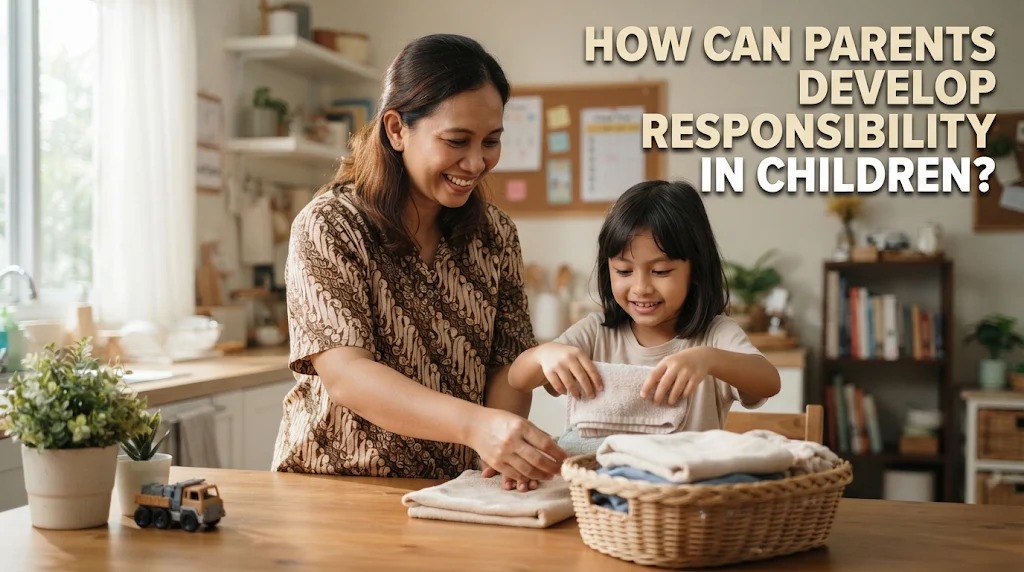
Developing responsibility in children is an important part of parenting because it helps them become independent, disciplined, and confident individuals. Children need to understand that their actions have consequences and that they have duties to fulfill in everyday life. Parents play a major role in teaching these values through daily activities, positive examples, and consistent guidance. By introducing responsibility from an early age, parents can help children develop good habits that will benefit them throughout their lives.
SETTING A GOOD EXAMPLE
Children often learn by observing the behavior of their parents. When parents demonstrate responsibility through their daily activities, children can understand how important it is to fulfill commitments and complete tasks.
For example, parents can show responsibility by keeping promises, managing household duties, and admitting mistakes. These actions provide positive examples that children can follow in their own lives.
GIVING AGE-APPROPRIATE TASKS
Parents can develop responsibility by giving children simple tasks that match their age and abilities. Activities such as organizing toys, making their beds, and putting away personal belongings can teach them to take care of their surroundings.
As children grow older, parents can gradually introduce more challenging responsibilities. This approach helps children become more independent while learning how to complete tasks properly.
TEACHING CHILDREN TO MANAGE TIME
Time management is an important skill that helps children balance their daily activities. Parents can encourage children to create simple routines for studying, playing, resting, and completing household responsibilities.
Following a regular schedule helps children understand the importance of using time wisely. It also teaches them to prioritize important tasks instead of delaying their responsibilities.
ENCOURAGING INDEPENDENCE
Parents should give children opportunities to complete tasks without always depending on adult assistance. Allowing them to choose their clothes, prepare school supplies, or organize their belongings can strengthen their independence.
Although children may sometimes make mistakes, parents should provide guidance rather than immediately taking over their responsibilities. This helps children develop confidence and learn from their experiences.
TEACHING THE CONSEQUENCES OF ACTIONS
Children need to understand that every action has consequences. Parents can explain how forgetting assignments, breaking promises, or neglecting household tasks may affect themselves and others.
When children make mistakes, parents should help them recognize the problem and find ways to correct it. This teaches accountability and encourages them to think more carefully before making decisions.
ESTABLISHING CLEAR RULES AND EXPECTATIONS
Clear household rules help children understand what is expected of them. Parents should explain responsibilities in simple language and make sure the rules are appropriate for their children's age.
Consistent expectations also help children develop discipline and understand the importance of following agreements. When rules are applied fairly, children can gradually build responsible habits.
APPRECIATING RESPONSIBLE BEHAVIOR
Recognizing children's efforts can motivate them to continue practicing responsible behavior. Parents should appreciate simple actions such as completing homework, helping with household activities, and taking care of personal belongings.
Positive encouragement helps children feel valued and confident. It also reinforces the understanding that responsibility is an important part of everyday life.
ALLOWING CHILDREN TO MAKE DECISIONS
Giving children opportunities to make simple decisions can improve their sense of responsibility. Parents can allow them to choose activities, organize study schedules, or decide how to complete appropriate tasks.
These experiences teach children to consider different options and accept the results of their choices. With proper guidance, they can gradually develop better judgment and decision-making skills.
CONCLUSION
Parents can develop responsibility in children by setting good examples, assigning age-appropriate tasks, teaching time management, and encouraging independence. Clear rules, positive encouragement, and opportunities to make decisions also help children become more accountable. By practicing these habits consistently, parents can prepare their children to become disciplined, confident, and responsible individuals in the future.
Recent Posts

How Does Technology Make Daily Evaluation... 21.11.2026/57 View

Apa Strategi Menghadapi Kesenjangan antara Kompetensi... 21.11.2026/59 View

Mengapa Inventaris Aset Penting bagi Kelancaran... 21.11.2026/55 View

When Should Musicians Join a Record... 21.11.2026/54 View

Daily Evaluation or Daily Planning Which... 21.11.2026/61 View
