

How Can Parents Introduce Cultural Heritage to Children?
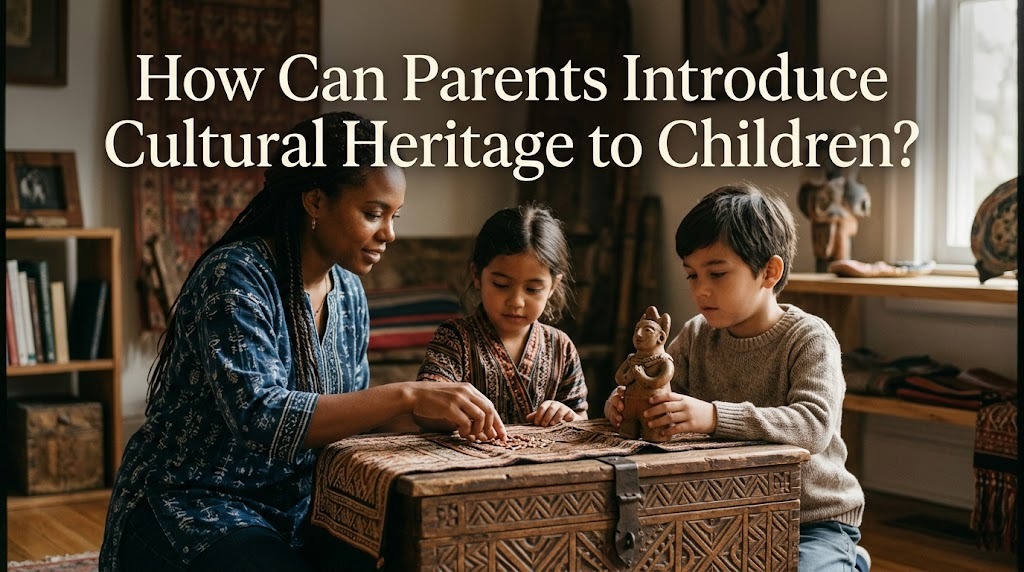
Cultural heritage helps children understand their family history, cultural identity, and community traditions. It includes traditional foods, local languages, folk stories, music, dances, celebrations, and historical places passed down through generations. Parents play an important role in introducing these cultural values because children often learn their first traditions at home. By making cultural learning enjoyable and part of everyday life, parents can help children appreciate their roots from an early age. These experiences also encourage respect for other cultures and help preserve valuable traditions for future generations.
WHY IS IT IMPORTANT TO INTRODUCE CULTURAL HERITAGE TO CHILDREN?
Introducing cultural heritage to children helps them understand where they come from and how their family and community developed. Learning about traditional customs, family stories, and local history can strengthen their sense of belonging. Children can also discover the values behind cultural practices, such as cooperation, respect for elders, and community responsibility. These lessons help them recognize that traditions are meaningful parts of people's lives rather than simply activities performed on special occasions. Cultural knowledge can also encourage curiosity about the history and experiences of other communities.
Cultural education from an early age can develop children's appreciation for diversity. When children learn about their own traditions and explore other cultures, they become more aware that people may have different languages, beliefs, foods, and ways of celebrating important events. This understanding can encourage empathy and reduce unfair judgments about cultural differences. It also helps children recognize the importance of protecting historical places, traditional knowledge, and cultural expressions. By introducing cultural heritage at home, parents contribute to a more respectful and culturally aware generation.
TEACH CHILDREN THROUGH FAMILY TRADITIONS
One of the easiest ways to introduce cultural heritage is by involving children in family traditions. Parents can explain the meaning of traditional celebrations, customary greetings, family ceremonies, and special occasions. They can also share stories about how these traditions were practiced by previous generations. Instead of asking children to memorize cultural information, parents should encourage them to participate and ask questions. This approach makes cultural learning more personal and easier to understand.
Family traditions can also be included in ordinary daily activities. Parents may prepare traditional meals with their children, teach them customary greetings, or explain the significance of certain family practices. During these activities, children can learn about the history, ingredients, symbols, and values connected to their culture. Parents should explain traditions in language that matches their children's ages and levels of understanding. When cultural practices become part of everyday family life, children have more opportunities to appreciate and remember them.
SHARE FOLK STORIES AND LOCAL HISTORY
Folk stories and family histories are effective ways to introduce children to cultural heritage. Parents can tell traditional legends, local folktales, and stories about historical figures from their region. These stories often contain lessons about courage, kindness, responsibility, wisdom, and relationships within a community. Parents can explain the cultural background of each story and help children distinguish traditional storytelling from verified historical facts. This makes storytelling both enjoyable and educational.
Parents can also invite grandparents or other older relatives to share memories about their childhood and community traditions. Children may learn how people dressed, worked, communicated, celebrated, and solved everyday problems in the past. Asking questions about these experiences can help children develop an interest in family history. Parents can preserve meaningful stories by writing them down or recording them with the storyteller's permission. In this way, family memories become valuable resources for cultural learning across generations.
INTRODUCE TRADITIONAL FOOD, MUSIC, AND DANCE
Traditional food provides a practical and enjoyable way for children to experience cultural heritage. Parents can prepare regional dishes together and explain where the ingredients come from and why certain foods are served during particular celebrations. Children can help with simple cooking tasks appropriate for their age while learning the names of ingredients and traditional cooking techniques. For example, families in Indonesia may introduce children to regional dishes such as gudeg from Yogyakarta or pempek from Palembang. These activities help children connect cultural knowledge with everyday experiences.
Music and dance can also make cultural learning more engaging. Parents can play traditional songs, explain the instruments used, or introduce simple dance movements suitable for children. They may attend cultural performances or participate in local festivals so children can experience these art forms in their original community settings. Parents should explain that traditional performances may have different meanings depending on their region, history, or ceremonial purpose. Through direct participation, children can develop greater appreciation for the creativity and knowledge preserved by cultural practitioners.
VISIT MUSEUMS AND HISTORICAL PLACES
Visiting museums, historical buildings, traditional villages, and cultural centers allows children to explore cultural heritage directly. These places provide opportunities to see historical objects, traditional architecture, and cultural displays that may be difficult to understand through books alone. Parents can prepare children before a visit by explaining the site's background and encouraging them to look for specific objects or details. During the visit, they can ask simple questions about what children observe and what they find interesting. This turns a family outing into an opportunity for active learning.
After visiting a cultural site, parents can discuss what children learned and connect the experience with their daily lives. They might encourage children to draw a historical building, write a short reflection, or share an interesting fact with other family members. Parents should also teach children to respect museum rules, avoid touching protected objects, and keep historical sites clean. When possible, choosing guided tours or educational programs can provide more reliable information. These experiences help children understand why cultural heritage deserves protection and responsible treatment.
TEACH LOCAL LANGUAGES AND TRADITIONAL CRAFTS
Local languages are important parts of cultural heritage because they carry stories, expressions, knowledge, and ways of understanding the world. Parents can introduce children to regional words, traditional greetings, proverbs, songs, and everyday expressions. Using these words during family conversations can help children practice them naturally. Parents should remain patient when children make mistakes and encourage them to learn without feeling embarrassed. If a language is no longer commonly spoken in the family, parents can seek help from relatives, community groups, or language-learning resources.
Traditional crafts also offer opportunities for children to learn about cultural skills and creativity. Depending on their age, children can try simple activities such as batik-inspired drawing, weaving with paper, making traditional decorations, or creating patterns based on local art. Parents should explain the origins and meanings of the designs rather than treating the activities as ordinary crafts. For more advanced techniques, families can attend workshops led by skilled craftspeople. These experiences help children recognize the effort, knowledge, and creativity involved in maintaining traditional arts.
USE TECHNOLOGY TO SUPPORT CULTURAL LEARNING
Technology can help parents introduce cultural heritage in ways that appeal to children. Educational videos, digital museum collections, online cultural archives, and interactive learning materials can provide access to traditions and historical places from different regions. Parents can watch cultural documentaries with their children and discuss the information afterward. They can also use digital maps to explore where certain traditions originated and how they developed. Choosing reliable educational sources is important because online information may sometimes be inaccurate or lack cultural context.
Parents can also encourage children to create simple digital projects about their heritage. They might prepare a photo collection of traditional foods, record an interview with a relative, or make a short presentation about a local celebration. Before recording or sharing personal stories, photographs, or cultural practices, parents should obtain permission from the people involved and consider whether the material is appropriate to share publicly. Technology should complement direct experiences with family members and cultural practitioners rather than replace them. A balanced approach allows children to use modern tools while maintaining meaningful connections with their cultural roots.
ENCOURAGE RESPECT FOR CULTURAL DIVERSITY
Introducing children to their own cultural heritage should also help them respect the traditions of others. Parents can explain that different communities may have distinct languages, clothing, foods, religious practices, and celebrations. These differences should be approached with curiosity and respect rather than ridicule or assumptions. Reading books about different cultures, attending public cultural events, and discussing diverse traditions can broaden children's understanding. Parents should also avoid teaching stereotypes or suggesting that one culture is automatically superior to another.
Children learn respect not only from explanations but also from observing their parents' behavior. When parents listen carefully to people from different backgrounds and speak respectfully about unfamiliar traditions, children are more likely to develop similar attitudes. Parents can encourage questions while explaining that some cultural practices have special meanings or restrictions that should be respected. They should also help children understand that cultural traditions can vary within the same community and may change over time. This balanced approach supports cultural pride while encouraging openness and understanding.
CONCLUSION
Parents can introduce cultural heritage to children through family traditions, storytelling, traditional food, music, dance, local languages, crafts, and visits to historical places. These activities help children understand their cultural identity while developing curiosity, creativity, and respect for their community's history. Technology can provide additional learning opportunities, especially when parents choose reliable sources and combine digital activities with real-life experiences.
The most effective approach is to make cultural learning enjoyable, consistent, and appropriate for children's ages. Parents do not need to organize complicated activities because simple daily experiences can also preserve valuable traditions. By involving grandparents, community members, and cultural practitioners, families can pass knowledge from one generation to another. Through these efforts, children can grow up appreciating their heritage while respecting the cultural diversity of the wider world.
Recent Posts

Bagaimana Sistem SKS pada Program Kuliah... 22.11.2026/48 View

How Does Technology Make Daily Evaluation... 21.11.2026/76 View

Apa Strategi Menghadapi Kesenjangan antara Kompetensi... 21.11.2026/78 View

Mengapa Inventaris Aset Penting bagi Kelancaran... 21.11.2026/73 View

When Should Musicians Join a Record... 21.11.2026/78 View
