

How Can Parents Protect Their Children's Mental Health After Divorce?
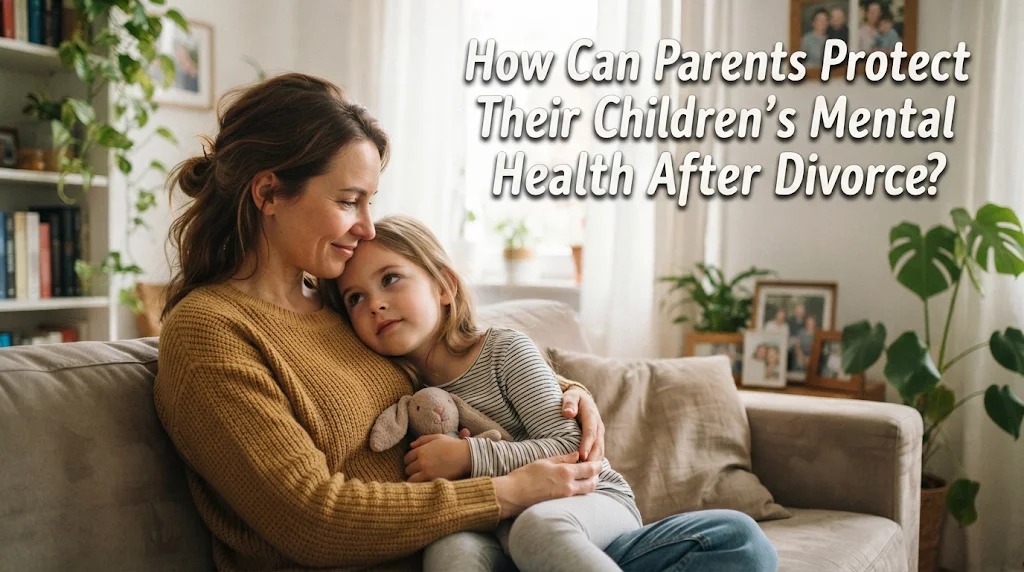
Divorce can bring significant changes to children's lives, especially regarding their emotional well-being and mental health. Children may experience sadness, confusion, anxiety, anger, or fear when their parents decide to separate. They may also worry about where they will live, how often they will see each parent, and whether they will still receive the same love and attention.
Although divorce can be a difficult experience for the entire family, parents can take important steps to protect their children's mental health. By providing emotional support, maintaining healthy communication, and creating a stable environment, parents can help children adjust to their new family situation. The most important thing is to make children feel loved, safe, and supported throughout the process.
PROVIDE EMOTIONAL SUPPORT AND UNDERSTANDING
One of the most important ways to protect children's mental health after divorce is by providing consistent emotional support. Parents should understand that children may have different reactions depending on their age, personality, and understanding of the situation. Some children may express their sadness openly, while others may become quiet or avoid discussing their feelings. Parents should give them enough time to process these changes without forcing them to feel happy immediately.
Listening carefully to children's concerns can help them feel appreciated and understood. Parents should avoid judging their emotions or telling them that their feelings are unimportant. Instead, they should reassure children that it is normal to feel sad, confused, or disappointed. This approach can help children develop emotional security and cope with family changes more effectively.
MAINTAIN HEALTHY COMMUNICATION WITH CHILDREN
Open and honest communication is essential when parents want to protect their children's mental health after divorce. Children need simple and age-appropriate explanations about what is happening so they do not develop misunderstandings. Parents should explain that the divorce is an adult decision and that children are not responsible for the separation. This reassurance can prevent unnecessary guilt and emotional pressure.
Parents should also encourage children to ask questions and express their worries. They do not need to share every detail of their personal conflicts because some information may be confusing or emotionally harmful. Maintaining regular conversations can help parents recognize changes in their children's behavior and emotional condition. Through healthy communication, children can feel more comfortable discussing their experiences.
AVOID INVOLVING CHILDREN IN PARENTAL CONFLICTS
Parental conflict can create additional emotional pressure for children during and after divorce. Parents should avoid arguing in front of their children, criticizing each other excessively, or using children as messengers. Asking children to choose between their mother and father can also create feelings of guilt and emotional confusion. These situations may damage children's sense of safety and affect their relationships with both parents.
Instead, parents should try to manage disagreements privately and communicate respectfully when discussing matters related to their children. They should also avoid asking children to take sides or share negative information about the other parent. When children are protected from unnecessary conflict, they have a better opportunity to adjust to their family's new circumstances.
CREATE A STABLE AND CONSISTENT DAILY ROUTINE
A stable daily routine can help children feel safer after their parents get divorced. Changes in living arrangements, school schedules, and family activities may make children feel uncertain about their future. Maintaining consistent routines for sleeping, studying, eating, and playing can provide a sense of normality. Children benefit from knowing what to expect in their everyday lives.
Parents should also work together to establish clear arrangements for childcare, school responsibilities, and visitation schedules whenever possible. Although children may need time to adjust to living in two different households, consistency can reduce unnecessary stress. Both parents should try to maintain similar expectations and provide a comfortable environment. These efforts can help children develop a stronger sense of stability and emotional security.
MAINTAIN A HEALTHY RELATIONSHIP WITH BOTH PARENTS
Children generally benefit from maintaining safe and positive relationships with both parents after divorce. They should not feel that loving one parent means betraying the other. Parents can support this by respecting children's relationships and avoiding negative comments that create emotional pressure. When appropriate and safe, both parents should remain involved in important aspects of their children's lives, including education, health, and personal development.
However, maintaining contact should always consider the child's safety and well-being. If there is a history of abuse, violence, or other serious risks, appropriate protective arrangements must take priority. Parents should focus on creating healthy interactions rather than forcing children into uncomfortable situations. A supportive relationship with trusted caregivers can also help children feel loved and protected.
RECOGNIZE EMOTIONAL CHANGES AND SEEK PROFESSIONAL HELP
After divorce, parents should pay attention to changes in their children's emotions and behavior. Some children may become unusually quiet, easily irritated, anxious, or less interested in activities they previously enjoyed. Others may experience sleeping problems, difficulties concentrating, or declining academic performance. These changes may indicate that children are struggling to adjust to their new family situation.
Parents should respond with patience and avoid immediately labeling these behaviors as disobedience. If emotional difficulties continue, become more severe, or interfere with everyday activities, consulting a child psychologist or qualified mental health professional can be beneficial. Counseling can provide children with a safe space to express their feelings and learn healthy coping strategies. Early support can help prevent emotional difficulties from becoming more serious.
CONCLUSION
Protecting children's mental health after divorce requires patience, understanding, and cooperation between parents. Providing emotional support, maintaining honest communication, avoiding parental conflicts, and creating stable routines can help children adjust to family changes. Parents should also respect children's relationships with both parents when it is safe and pay attention to signs of emotional distress. Although divorce changes family circumstances, children can still grow up feeling secure, confident, and loved when they receive consistent care and support.
Recent Posts

How Does Technology Make Daily Evaluation... 21.11.2026/57 View

Apa Strategi Menghadapi Kesenjangan antara Kompetensi... 21.11.2026/59 View

Mengapa Inventaris Aset Penting bagi Kelancaran... 21.11.2026/54 View

When Should Musicians Join a Record... 21.11.2026/54 View

Daily Evaluation or Daily Planning Which... 21.11.2026/61 View
