

How Can Parents Support Children in Using Digital Technology for Learning?
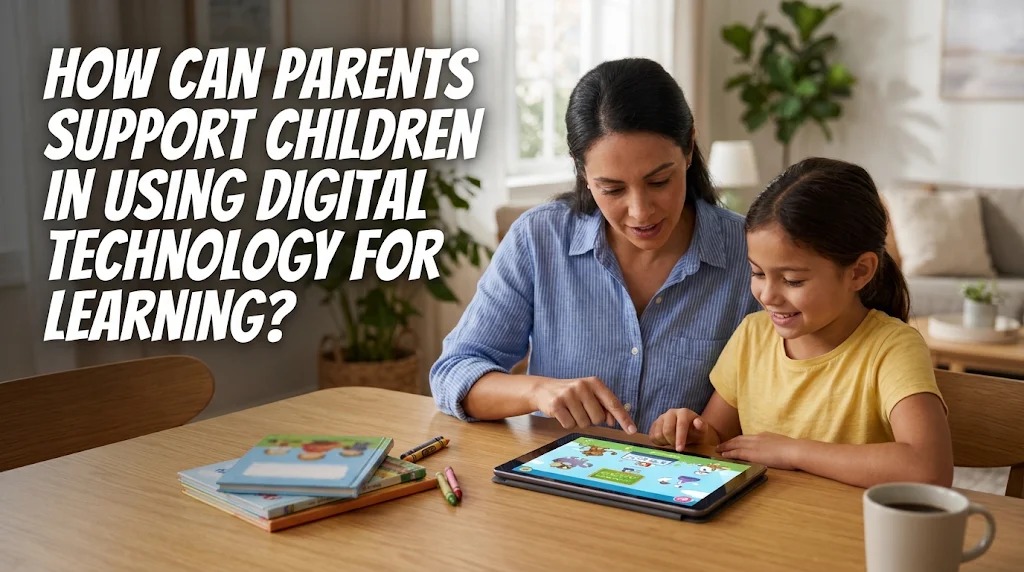
Digital technology has become an important part of children's education. Computers, smartphones, tablets, educational applications, and online learning platforms provide various opportunities for children to explore knowledge and develop new skills. Through these technologies, children can access educational videos, digital books, interactive exercises, and online courses that support their learning activities. However, technology also introduces challenges, such as excessive screen time, online distractions, inappropriate content, and exposure to misleading information.
Parents play an essential role in helping children use digital technology effectively and responsibly. Their involvement can help children understand the difference between educational activities and digital entertainment. Parents also need to create a supportive learning environment, establish healthy technology habits, and guide children when they encounter difficulties. With appropriate supervision and encouragement, digital technology can become a valuable educational tool that supports children's academic development, creativity, and digital literacy.
CREATING A SUPPORTIVE DIGITAL LEARNING ENVIRONMENT
One important way parents can support children's digital learning is by providing a comfortable and suitable study environment at home. Children need a quiet place where they can concentrate on educational activities without unnecessary distractions. Parents can prepare a desk, appropriate lighting, and digital devices that support their children's learning requirements. A stable internet connection is also helpful when children need to attend online classes or access educational materials. These facilities can make home learning more organized and comfortable.
Parents do not always need to provide expensive technological equipment. They can adjust available resources according to their financial conditions and children's educational needs. For example, a shared family computer or smartphone may be sufficient for certain learning activities when used according to an agreed schedule. Parents should also ensure that devices are functioning properly and that children can access suitable educational applications. By establishing a positive digital learning environment, parents can help children develop better study habits and maintain concentration.
CHOOSING APPROPRIATE EDUCATIONAL APPLICATIONS AND PLATFORMS
Parents should help children choose digital applications and platforms that support their educational development. Many applications provide interactive exercises, language lessons, mathematics games, digital reading materials, and science activities. These resources can make learning more interesting while helping children understand different subjects. However, not every application available on the internet provides accurate or age-appropriate information. Parents should therefore review the content, features, and credibility of educational platforms before allowing children to use them regularly.
Selecting appropriate learning applications also requires considering children's ages, interests, and educational abilities. Younger children may benefit from simple educational games and visual learning materials, while older students may need research platforms, digital libraries, and productivity applications. Parents can explore these tools together with their children to understand how they work and what educational benefits they offer. They should also check whether applications request unnecessary personal information or contain unsuitable advertisements. Educational technology selection should prioritize safety, learning objectives, and children's individual needs.
ESTABLISHING HEALTHY SCREEN TIME AND DIGITAL HABITS
Managing screen time is an important responsibility for parents when children use digital technology. Spending too much time in front of digital devices may affect children's sleep schedules, physical activity, concentration, and daily routines. Parents should establish reasonable limits that consider children's ages, school responsibilities, and other activities. They can create schedules that separate time for online learning, entertainment, outdoor activities, and family interactions. This helps children understand that technology should be used in a balanced way.
Parents should also encourage children to take regular breaks during digital learning activities. For example, children can rest their eyes, stretch their bodies, and move around after spending time studying with a computer or smartphone. Establishing device-free periods during meals and before bedtime can also support healthier routines. Instead of focusing only on restrictions, parents should explain why balanced technology use is important. Through healthy screen time management, children can develop self-control and learn to use digital devices more responsibly.
PROVIDING GUIDANCE AND ENCOURAGING INDEPENDENT LEARNING
Parents can support children's learning by showing interest in their educational activities. They can ask about the subjects children are studying, discuss difficult topics, and encourage them to explore additional information through reliable digital resources. When children experience difficulties using educational applications or understanding online lessons, parents can provide appropriate assistance. This support helps children feel more confident when learning with technology. However, parents should avoid completing every assignment on their behalf.
Encouraging independent learning is equally important for children's long-term development. Parents can allow children to search for information, organize study schedules, and complete digital assignments according to their abilities. They can also encourage children to explain what they have learned instead of simply memorizing information from online materials. This approach develops responsibility, curiosity, and problem-solving skills. By providing guidance without controlling every activity, parents can strengthen independent learning and self-confidence while helping children become more responsible technology users.
TEACHING ONLINE SAFETY AND DIGITAL RESPONSIBILITY
Online safety is an essential aspect of children's digital education. When using the internet, children may encounter inappropriate content, online scams, cyberbullying, and individuals who attempt to obtain personal information. Parents should explain why children must protect information such as home addresses, passwords, phone numbers, and school details. They should also teach children not to share personal photographs or sensitive information with strangers without appropriate guidance. Understanding these risks can help children make safer decisions when using digital platforms.
Parents should also encourage children to communicate responsibly in digital environments. They need to understand that respectful language, honesty, and consideration are important in online interactions just as they are in face-to-face communication. Children should know how to respond when they encounter suspicious messages, uncomfortable interactions, or harmful online behavior. Parents can establish open communication so children feel comfortable reporting problems without fear of being blamed. Through digital safety education and responsible online behavior, children can develop safer and more positive technology habits.
BECOMING POSITIVE ROLE MODELS AND EVALUATING LEARNING PROGRESS
Parents influence children's technology habits through their own behavior. When parents use digital devices responsibly, children can observe and learn how to balance technology with other daily activities. For example, parents can avoid unnecessary smartphone use during family conversations, meals, or shared activities. They can also demonstrate how to search for reliable information, communicate respectfully, and use digital applications for productive purposes. Positive examples help children understand that technology should support daily life rather than control it.
In addition, parents should regularly evaluate whether digital technology is helping children achieve their educational goals. They can discuss school assignments, review learning progress, and ask children about the usefulness of educational applications. If certain platforms do not support learning effectively, parents can help find more suitable alternatives. They should also communicate with teachers to understand children's academic development and identify areas that require additional attention. By combining parental involvement, positive role modeling, and learning evaluation, families can create a more effective digital learning experience.
CONCLUSION
Parents can support children in using digital technology for learning by providing suitable learning environments, selecting educational applications, managing screen time, and encouraging independent study. They also need to teach online safety, responsible digital communication, and appropriate information management. These efforts help children use technology not only for entertainment but also for developing knowledge, creativity, and essential academic skills.
Successful digital learning requires cooperation between parents, children, and teachers. Parents should provide guidance while allowing children to develop independence and confidence in exploring educational resources. By establishing healthy technology habits and maintaining open communication, families can maximize the benefits of digital education while reducing its potential risks. Responsible parental guidance can help children become confident, creative, and responsible digital learners.
Recent Posts

Bagaimana Sistem SKS pada Program Kuliah... 22.11.2026/31 View

How Does Technology Make Daily Evaluation... 21.11.2026/67 View

Apa Strategi Menghadapi Kesenjangan antara Kompetensi... 21.11.2026/66 View

Mengapa Inventaris Aset Penting bagi Kelancaran... 21.11.2026/64 View

When Should Musicians Join a Record... 21.11.2026/65 View
