

How Can Parents Teach Regional Languages to Their Children?
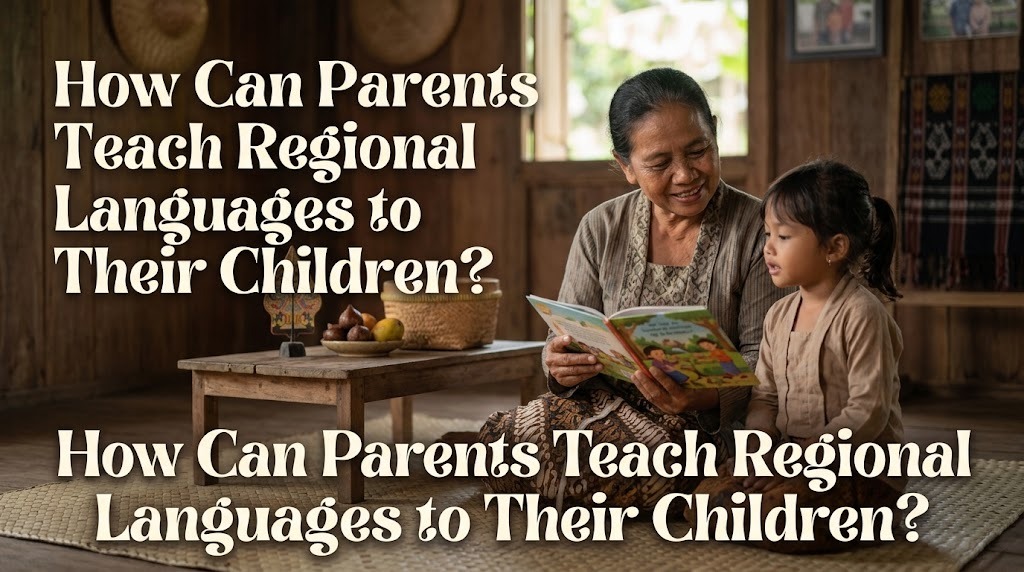
Regional languages are an important part of cultural identity, family history, and community traditions. In Indonesia, many families use regional languages to communicate, share stories, and pass cultural values from one generation to the next. However, some children are becoming less familiar with their ancestral languages because Indonesian and other widely used languages dominate their daily communication. Parents play an essential role in helping children learn and use regional languages from an early age. Through regular conversations, enjoyable activities, and positive encouragement, parents can help children develop regional language skills while maintaining a strong connection to their cultural heritage.
WHY SHOULD PARENTS TEACH REGIONAL LANGUAGES TO THEIR CHILDREN?
Teaching regional languages helps children understand their cultural identity and family heritage. These languages often contain traditional expressions, stories, and forms of politeness that reflect the values of a particular community. By learning their family's regional language, children can communicate more easily with grandparents and other relatives who use it regularly. They can also participate more confidently in traditional ceremonies, cultural celebrations, and community activities. This experience helps them appreciate the diversity of Indonesian culture from an early age.
Learning a regional language can also provide children with opportunities to communicate with more people. Children who understand several languages can adjust their communication depending on the situation and the people they meet. They may develop greater awareness of differences in vocabulary, pronunciation, and cultural expression. However, the main goal should not be to make children feel that one language is better than another. Regional languages, Indonesian, and foreign languages can complement one another and provide different benefits in children's lives.
HOW CAN PARENTS USE REGIONAL LANGUAGES IN DAILY CONVERSATIONS?
One of the easiest ways to teach a regional language is to use it regularly at home. Parents can begin with simple conversations about meals, school activities, toys, household tasks, and family members. Repeating familiar words in meaningful situations helps children understand their meanings and remember how to use them. Parents should speak naturally and give children enough time to respond without demanding perfect pronunciation. Consistent daily communication is generally more effective than occasional lessons that do not connect with children's everyday experiences.
Families can also introduce a simple routine in which certain activities encourage regional language use. For example, parents might tell bedtime stories in a regional language or use it when talking with grandparents during family gatherings. If children answer in Indonesian, parents can respond warmly and repeat the relevant expression in the regional language. This approach provides a useful example without making children feel embarrassed about their language ability. Over time, children may become more comfortable understanding and speaking the language because they hear it in familiar situations.
HOW CAN STORIES SONGS AND GAMES MAKE LANGUAGE LEARNING FUN?
Children often learn more willingly when language activities are enjoyable and interactive. Parents can use traditional folktales, children's songs, riddles, and local games to introduce new vocabulary and expressions. Stories help children understand how words are used in sentences, while songs provide opportunities to hear pronunciation and repeated phrases. Parents can explain unfamiliar words using pictures, gestures, or examples from daily life. These activities combine language learning with cultural knowledge and family entertainment.
Simple games can also encourage children to practice speaking without feeling as though they are taking a formal lesson. Parents might ask children to name objects around the house, match pictures with regional words, or follow simple instructions in the language. Older children can participate in storytelling games in which each family member adds a sentence to continue the story. Parents should choose activities that match the child's age, interests, and current language ability. Positive and playful learning experiences can make children more interested in using regional languages consistently.
HOW CAN PARENTS USE DIGITAL TECHNOLOGY TO TEACH REGIONAL LANGUAGES?
Digital technology provides additional resources for families who want to teach regional languages. Parents can find regional-language videos, recorded stories, songs, podcasts, and educational materials online. Watching age-appropriate content together allows parents to explain unfamiliar expressions and discuss how the words are used. Audio recordings can also help children hear pronunciation from fluent speakers. However, parents should check the accuracy of the materials because regional languages may have different local varieties and some online content may contain errors.
Families can also create their own digital learning materials. Parents might record grandparents telling traditional stories, make simple vocabulary cards, or produce short videos showing everyday conversations. These materials can help children review what they have learned and preserve family knowledge for the future. Screen-based activities should complement rather than replace direct conversations with family members and community speakers. The most effective approach combines digital resources with real-life language practice, allowing children to hear, understand, and use the language in different situations.
HOW CAN PARENTS KEEP CHILDREN MOTIVATED TO LEARN REGIONAL LANGUAGES?
Children are more likely to continue learning when they feel supported and see a practical reason to use the language. Parents can praise their efforts, celebrate small improvements, and encourage them to speak without fear of making mistakes. Correcting every error immediately may make children reluctant to participate, so parents should focus on communication before gradually introducing more accurate vocabulary and grammar. They can also involve children in conversations with relatives who speak the regional language. These experiences help children understand that the language is useful for building relationships, not simply for completing lessons.
Parents should also respect children's individual learning pace. Some children may understand a regional language before they feel confident speaking it, while others may need more time to become familiar with its sounds and vocabulary. Families can set realistic goals, such as learning five new words each week or using the language during a particular daily activity. If suitable classes or local cultural groups are available, children can practice with other learners and fluent speakers. Patience, encouragement, and regular opportunities to communicate can help children develop lasting confidence and a positive attitude toward their regional language.
CONCLUSION
Parents can teach regional languages to their children by using them in daily conversations, sharing traditional stories, playing language games, and introducing reliable digital learning resources. These activities help children develop communication skills while discovering their family's history and cultural traditions. Parents should create a supportive environment where children can practice without feeling ashamed of mistakes or pressured to learn too quickly. Cooperation with grandparents, schools, and local communities can provide additional opportunities for meaningful language practice. By making regional languages a natural part of family life, parents can help preserve linguistic diversity and pass valuable cultural knowledge to future generations.
Recent Posts

Bagaimana Sistem SKS pada Program Kuliah... 22.11.2026/48 View

How Does Technology Make Daily Evaluation... 21.11.2026/76 View

Apa Strategi Menghadapi Kesenjangan antara Kompetensi... 21.11.2026/78 View

Mengapa Inventaris Aset Penting bagi Kelancaran... 21.11.2026/73 View

When Should Musicians Join a Record... 21.11.2026/78 View
