

How Can People Join a Social Volunteer Community?
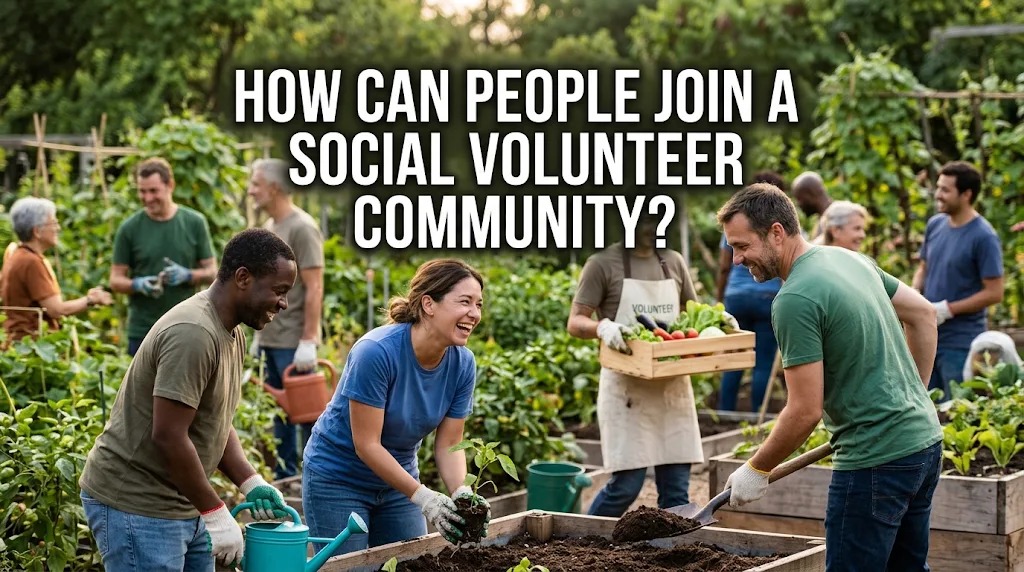
Joining a social volunteer community is a meaningful way to help others, build relationships, and contribute to positive changes in society. Social volunteer communities bring together people who share similar interests in helping individuals, supporting vulnerable groups, and improving community welfare. Their activities may include educational programs, environmental campaigns, disaster relief, healthcare awareness, and humanitarian assistance.
Many people are interested in volunteering but do not know how to find or join the right community. In fact, becoming a volunteer does not always require special qualifications or previous experience. People can start by identifying their interests, searching for trusted organizations, and participating in activities that match their abilities. With proper preparation and commitment, anyone can become part of a social volunteer community and make a positive contribution.
UNDERSTAND THE PURPOSE OF SOCIAL VOLUNTEER COMMUNITIES
Before joining a social volunteer community, people should understand its purpose and the activities it organizes. These communities generally aim to address social problems, support people in need, and encourage public participation in humanitarian activities. Members work together to provide assistance based on the needs of particular communities. Their contributions can involve physical activities, educational support, fundraising, or sharing professional skills.
Understanding the community's purpose helps people choose an organization that matches their interests and personal values. For example, someone who enjoys teaching may prefer an educational volunteer community, while people interested in environmental protection can join groups focused on conservation and waste management. Choosing a suitable community can make volunteering more enjoyable and meaningful. It also helps members stay motivated and participate consistently in activities.
SEARCH FOR TRUSTED SOCIAL VOLUNTEER COMMUNITIES
The next step is to find social volunteer communities that offer suitable opportunities. People can search for information through social media, official organization websites, university announcements, local community centers, and humanitarian organizations. Many volunteer groups regularly publish information about recruitment, upcoming activities, membership requirements, and registration procedures. Asking friends, family members, or experienced volunteers for recommendations can also help identify reliable communities.
However, people should check an organization's credibility before joining. They need to understand its background, main activities, management structure, and previous programs. A trustworthy community generally provides clear information about its objectives, coordinators, schedules, and volunteer responsibilities. People should be careful with organizations that request suspicious payments, collect unnecessary personal information, or provide unclear activity details. Checking these factors can help prevent misunderstandings and ensure a safer volunteering experience.
REGISTER AND FOLLOW THE COMMUNITY MEMBERSHIP PROCESS
After finding a suitable organization, interested individuals can follow its registration process. Some communities accept new members through online forms, while others require direct registration, interviews, or participation in introductory meetings. Applicants may need to provide basic information, explain their interests, and describe their availability. Certain programs may also have specific requirements related to age, physical abilities, professional qualifications, or previous experience.
During registration, applicants should provide accurate information and understand the responsibilities expected from members. They should also ask about membership rules, activity schedules, training opportunities, and communication channels. If the organization conducts an interview, applicants can explain their motivation for volunteering and the skills they can contribute. Following the registration process properly helps both applicants and community coordinators understand whether the available program is suitable.
PARTICIPATE IN VOLUNTEER ACTIVITIES AND BUILD RELATIONSHIPS
Once accepted, new members should begin participating in community activities according to the organization's schedule. Beginners can start with simple responsibilities, such as preparing equipment, distributing supplies, assisting event participants, or supporting administrative tasks. These activities help members understand how the community operates and how volunteers cooperate to achieve common goals. They also provide opportunities to learn directly from experienced members.
Building good relationships with other volunteers is equally important. Members should communicate respectfully, appreciate different opinions, and cooperate when completing group responsibilities. Joining discussions, attending meetings, and participating in training sessions can help individuals become more familiar with the community. Strong relationships can also create a supportive environment where members exchange knowledge, share experiences, and encourage one another to remain active.
DEVELOP SKILLS AND MAINTAIN CONSISTENT INVOLVEMENT
Being part of a social volunteer community provides opportunities to develop valuable personal and professional skills. Members can improve communication, teamwork, leadership, time management, and problem-solving abilities through practical experiences. They may also develop specialized skills depending on the community's activities, such as teaching, organizing events, managing donations, or conducting environmental campaigns. These abilities can become useful in education, daily life, and future employment.
Consistency is another important factor in successful volunteering. Members should manage their schedules carefully so they can fulfill their responsibilities without neglecting education, work, or personal needs. They do not have to participate in every activity, but they should communicate clearly when they are unavailable. Volunteers should also evaluate their experiences and remain open to feedback from coordinators. By staying committed and continuing to learn, members can contribute more effectively and become valuable parts of their communities.
CONCLUSION
Joining a social volunteer community begins with understanding its purpose, finding a trusted organization, and following the membership registration process. New members should choose activities that match their interests, abilities, and available time. After joining, active participation, respectful communication, and consistent involvement can help them build meaningful relationships and develop useful skills. Volunteering is not only an opportunity to help others but also a valuable experience for personal growth. With genuine motivation and responsibility, anyone can become part of a community that creates positive changes in society.
Recent Posts

Bagaimana Sistem SKS pada Program Kuliah... 22.11.2026/27 View

How Does Technology Make Daily Evaluation... 21.11.2026/65 View

Apa Strategi Menghadapi Kesenjangan antara Kompetensi... 21.11.2026/65 View

Mengapa Inventaris Aset Penting bagi Kelancaran... 21.11.2026/62 View

When Should Musicians Join a Record... 21.11.2026/63 View
