

How Can People Keep Their Environment Clean During The Transitional Season?
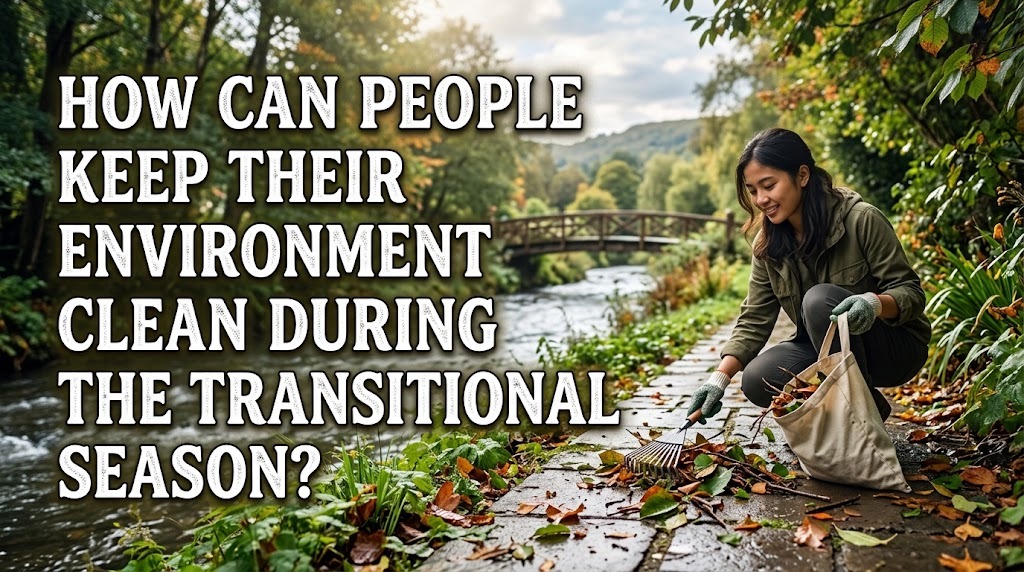
The transitional season, which occurs between the rainy and dry seasons, often brings unpredictable weather, including sudden rain, strong winds, and hot temperatures. These conditions can affect environmental cleanliness by spreading litter, carrying dust, and causing drainage problems. Heavy rainfall may move waste into rivers and canals, while dry weather can increase dust and make rubbish easier to scatter. Therefore, keeping the environment clean during this period is important for protecting public health, preventing flooding, and maintaining a comfortable living space. Through simple daily habits and cooperation among community members, people can reduce pollution and keep their surroundings clean throughout the transitional season.
DISPOSE OF WASTE PROPERLY
One of the most effective ways to keep the environment clean is to dispose of rubbish in the correct places. People should avoid throwing plastic bags, food packaging, bottles, and other waste onto roads, into rivers, or into drainage channels. When heavy rain arrives, rubbish can block water flow and increase the risk of localized flooding. Strong winds may also scatter lightweight waste across streets, gardens, and public spaces. Using proper waste bins helps prevent these problems and makes waste collection more efficient.
Households should separate waste according to local recycling and collection guidelines. Reusable materials, such as certain plastic containers, paper, glass, and metal, can be sorted for recycling when suitable facilities are available. Food scraps and other suitable organic materials may be composted instead of being mixed with general rubbish. Waste should be stored in covered bins to prevent animals from scattering it and to reduce unpleasant odors. Responsible waste management keeps neighborhoods cleaner and reduces the amount of rubbish entering waterways.
KEEP DRAINS AND WATERWAYS CLEAR
Clean drainage systems are especially important during the transitional season because sudden heavy rain can cause water to accumulate quickly. Leaves, plastic waste, soil, and other debris can block drains and prevent rainwater from flowing away properly. People can help by checking the drains around their homes and removing accessible debris safely. However, they should not enter deep drains or handle dangerous waste, and blocked public drainage systems should be reported to the relevant authorities. Clear drainage channels help rainwater flow more effectively and reduce the risk of some types of flooding.
Rivers, canals, and other waterways also need protection from household rubbish and polluted wastewater. Throwing waste into waterways can harm aquatic organisms, reduce water quality, and create unpleasant surroundings. Communities can organize safe cleanup activities along riverbanks and public drainage areas when conditions allow. Waste collected during cleanups should be sorted and taken to appropriate disposal facilities rather than left in piles nearby. Protecting waterways is a shared responsibility that helps maintain a healthier environment during both rainy and dry periods.
REDUCE DUST AND AIR POLLUTION
During dry and hot periods, dust from roads, construction sites, and bare soil can become airborne. Strong winds may carry these particles into homes, schools, and other public spaces. People can reduce indoor dust by sweeping or mopping floors regularly and keeping windows closed temporarily when outdoor dust levels are high. Construction materials should be covered, and work areas should be managed to prevent excessive dust from spreading. Controlling dust at its source helps improve environmental cleanliness and can reduce irritation to the eyes and respiratory system.
Air pollution can also come from burning rubbish, vehicle emissions, and other human activities. Avoiding open waste burning is an important step because smoke can contain harmful gases and fine particles. Instead, people should follow local waste collection rules and use appropriate recycling or disposal services. Walking, cycling when safe, sharing rides, or using public transportation can also help reduce emissions from vehicles. These habits support cleaner air and contribute to a healthier environment throughout the transitional season.
MAINTAIN CLEAN AND HEALTHY HOME SURROUNDINGS
Keeping the area around the home clean can prevent waste buildup and reduce environmental health risks. People should regularly remove litter, clear fallen leaves from accessible areas, and keep outdoor spaces organized. During heavy rain, check for standing water in containers, buckets, and unused items because stagnant water can provide breeding sites for mosquitoes. Empty these containers regularly and cover water storage containers properly. Preventing stagnant water is an important measure for reducing mosquito breeding around homes.
Homeowners should also inspect gutters, roofs, and outdoor drainage areas before periods of heavy rain. Remove accumulated leaves and rubbish when it is safe to do so, and repair leaks that may create damp conditions. Keep rubbish bins covered and place them where strong winds are less likely to knock them over. Cleaning supplies and chemicals should be stored safely and never poured into drains or waterways. These simple maintenance activities help keep homes clean, safe, and ready for changing weather conditions.
WORK TOGETHER WITH THE COMMUNITY
Environmental cleanliness becomes easier to maintain when residents work together. Neighbors can organize community cleanups, establish shared waste disposal rules, and remind one another not to litter. Schools, local organizations, and community leaders can arrange educational activities that explain the effects of waste pollution and blocked drainage. These activities can encourage people to develop cleaner habits instead of relying only on occasional cleanup events. Community cooperation also helps identify environmental problems before they become more serious.
Local authorities have an important role in providing waste collection services, maintaining public drainage systems, and enforcing environmental regulations. Residents can report illegal dumping, overflowing rubbish bins, or blocked public drains through the appropriate local channels. Cleanup events should be planned with safety in mind, particularly during heavy rain, strong winds, or flooding. Children should be supervised, and participants should avoid handling sharp objects, hazardous waste, or contaminated water. When residents and authorities work together, environmental protection can become a consistent community practice.
PRACTICE THE THREE RS OF WASTE MANAGEMENT
The three Rs of waste management are reduce, reuse, and recycle. Reducing waste means avoiding unnecessary products and choosing items with less packaging whenever possible. Reusing shopping bags, bottles, and suitable containers can help decrease the amount of rubbish produced each day. Recycling allows certain materials to be processed into new products, provided they are accepted by local recycling facilities. These practices reduce pressure on waste disposal systems and help prevent litter from spreading during strong winds or heavy rain.
People can also make more sustainable choices when shopping and preparing food. Bringing reusable bags, refusing unnecessary single-use items, and planning meals carefully can reduce packaging waste and food leftovers. Organic waste that is suitable for composting can be turned into material that supports soil health. However, recycling and composting should be done according to local guidance to prevent contamination and unpleasant odors. Reducing waste at its source is one of the most practical ways to maintain a cleaner environment over the long term.
CONCLUSION
Keeping the environment clean during the transitional season requires consistent habits and cooperation from the whole community. Proper waste disposal, clear drainage systems, reduced air pollution, and clean home surroundings can help limit environmental problems caused by changing weather. Practicing the three Rs also reduces waste and encourages responsible resource use. People should take extra care during heavy rain and strong winds, when litter can spread and drainage problems may become more serious. By taking small but consistent actions, everyone can help create a cleaner, healthier, and safer environment throughout the transitional season.
Recent Posts

Bagaimana Sistem SKS pada Program Kuliah... 22.11.2026/54 View

How Does Technology Make Daily Evaluation... 21.11.2026/83 View

Apa Strategi Menghadapi Kesenjangan antara Kompetensi... 21.11.2026/81 View

Mengapa Inventaris Aset Penting bagi Kelancaran... 21.11.2026/78 View

When Should Musicians Join a Record... 21.11.2026/82 View
