

How Can People Organize Effective and Meaningful Volunteer Activities?
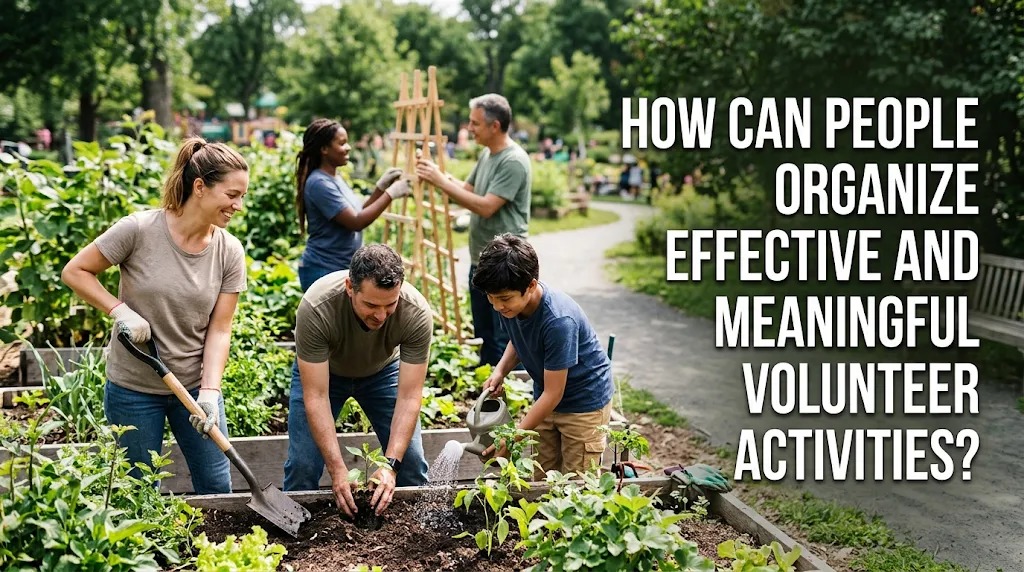
Volunteer activities provide opportunities for people to support communities, help individuals in need, and create positive social changes. However, successful volunteering requires more than gathering people and distributing assistance. Every activity needs clear goals, proper planning, good communication, and cooperation among participants. Without careful preparation, volunteer programs may fail to address the actual needs of the community. Therefore, understanding how to organize effective and meaningful volunteer activities is important for individuals, community groups, and social organizations.
IDENTIFYING COMMUNITY NEEDS AND SETTING CLEAR GOALS
The first step in organizing volunteer activities is understanding the problems faced by the target community. Organizers should identify what kind of assistance is needed instead of making assumptions about people's situations. This can be done through discussions with residents, surveys, observations, or coordination with local community leaders. For example, a community may need educational support for children, food assistance for low-income families, or environmental activities to improve public cleanliness. Understanding these needs helps organizers create programs that provide relevant benefits.
After identifying community needs, organizers should establish clear and realistic goals. These goals explain what the activity aims to achieve and help participants understand their responsibilities. For instance, a volunteer program may focus on providing school supplies to children or organizing a neighborhood clean-up campaign. Goals should match the available resources, time, and number of volunteers. Clear objectives also make it easier to evaluate whether the activity has achieved its intended results.
PREPARING A DETAILED PLAN AND AVAILABLE RESOURCES
Proper planning is essential for ensuring that volunteer activities run smoothly. Organizers should determine the activity schedule, location, duration, required equipment, and number of participants. They also need to prepare a budget if the program requires transportation, food, supplies, or other operational expenses. A detailed plan helps prevent confusion and reduces the possibility of unexpected problems. Organizers should also prepare alternative arrangements in case weather conditions or other circumstances affect the original schedule.
Resource management is another important part of preparation. Volunteers may need donations, educational materials, cleaning equipment, medical supplies, or transportation depending on the type of activity. Organizers should estimate the required resources and identify possible sources of support. Donations should be collected and managed transparently to maintain public trust. By preparing resources carefully, volunteer groups can use their time and contributions more efficiently.
RECRUITING VOLUNTEERS AND DIVIDING RESPONSIBILITIES
An effective volunteer program requires participants who are willing to contribute and cooperate. Organizers can recruit volunteers through community groups, schools, universities, social organizations, and social media. Information about the activity should explain its purpose, schedule, location, and expected responsibilities. This allows potential participants to decide whether they can join and contribute appropriately. Organizers should also consider the skills and availability of each volunteer when assigning tasks.
Responsibilities need to be divided clearly so that every participant understands their role. Some volunteers may handle registration, while others manage supplies, communicate with beneficiaries, or coordinate activities in the field. Participants with relevant experience can be assigned tasks that match their abilities. However, beginners should also receive opportunities to learn and contribute under proper guidance. Clear task distribution improves teamwork and prevents certain volunteers from carrying too much responsibility.
BUILDING GOOD COMMUNICATION AND COOPERATION
Communication plays an important role before, during, and after volunteer activities. Organizers should provide clear instructions and share important information with all participants. Regular coordination helps volunteers understand the progress of the program and respond quickly when problems occur. Communication should also involve the community receiving assistance so that its members can express their needs and concerns. This approach encourages mutual understanding and makes the activity more relevant.
Cooperation with other organizations can also improve the quality of volunteer programs. Community groups, educational institutions, nonprofit organizations, businesses, and local authorities may provide useful resources or professional support. For example, a health campaign may benefit from cooperation with qualified healthcare workers. Partnerships can expand the program's reach and help organizers manage more complex activities. However, every partnership should have clear responsibilities and shared objectives to avoid misunderstandings.
EVALUATING RESULTS AND MAINTAINING LONG-TERM IMPACT
Volunteer activities should be evaluated after they are completed. Organizers can collect feedback from participants and community members to understand what worked well and what needs improvement. They should also compare the results with the original goals to determine whether the program achieved its purpose. For example, organizers can review the number of people assisted, the resources distributed, or the improvements made through an environmental campaign. Evaluation provides useful information for planning future activities.
Meaningful volunteering should also consider long-term benefits rather than focusing only on immediate assistance. Organizers can develop follow-up programs, maintain communication with beneficiaries, and encourage community members to participate in future activities. For example, an educational program can continue through regular learning sessions instead of providing a single event. Transparency in reporting donations and program results is equally important for building trust. Consistent evaluation and follow-up help volunteer activities create more sustainable positive changes.
CONCLUSION
Organizing effective and meaningful volunteer activities requires careful planning, a clear understanding of community needs, proper resource management, and strong teamwork. Organizers should recruit suitable participants, divide responsibilities fairly, and maintain good communication with all parties involved. Evaluating results and creating follow-up programs are also important for ensuring long-term benefits. When volunteer activities are organized responsibly, they can provide practical assistance and encourage stronger community participation. With cooperation and commitment, even simple volunteer activities can make a meaningful difference in people's lives.
Recent Posts

Bagaimana Sistem SKS pada Program Kuliah... 22.11.2026/25 View

How Does Technology Make Daily Evaluation... 21.11.2026/64 View

Apa Strategi Menghadapi Kesenjangan antara Kompetensi... 21.11.2026/65 View

Mengapa Inventaris Aset Penting bagi Kelancaran... 21.11.2026/62 View

When Should Musicians Join a Record... 21.11.2026/61 View
