

How Can People Overcome Childhood Trauma Caused by Family Separation?
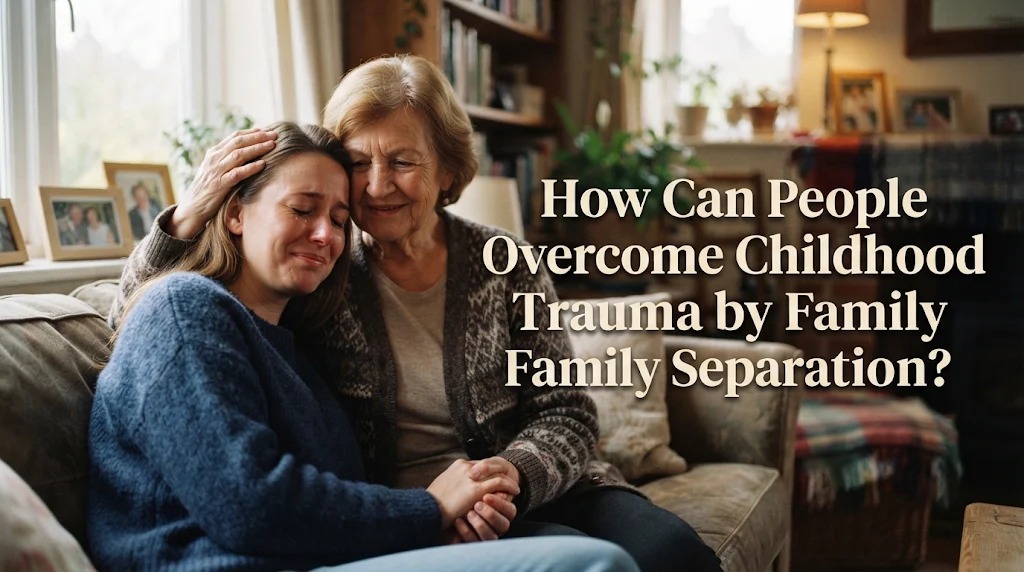
Family separation can be a difficult experience, especially for children who do not fully understand why their parents or family members are no longer living together. Divorce, parental separation, and family conflicts can create feelings of sadness, fear, loneliness, and insecurity. These experiences may leave emotional wounds that continue into adulthood if they are not properly addressed.
Childhood trauma caused by family separation can affect how people view themselves, build relationships, and respond to emotional challenges. However, these experiences do not have to determine someone's future. With self-understanding, emotional support, healthy coping strategies, and professional guidance when needed, people can gradually recover and develop healthier lives.
UNDERSTANDING THE IMPACT OF CHILDHOOD TRAUMA
The first step toward overcoming childhood trauma is understanding how family separation affects emotional development. Children may experience confusion, disappointment, or fear when their parents separate. Some may believe that they are responsible for the situation, even though family separation is an adult decision and never a child's fault.
These experiences can influence how individuals behave as they grow older. Some people may struggle with trust, fear of abandonment, difficulty expressing emotions, or anxiety when facing relationship problems. However, not everyone experiences the same effects, and family separation does not automatically cause long-term trauma.
Recognizing these emotional patterns can help individuals understand their reactions more clearly. Instead of blaming themselves for their difficulties, they can begin acknowledging that their feelings are connected to challenging past experiences. This awareness provides an important foundation for emotional recovery.
ACCEPTING AND EXPRESSING EMOTIONS
Accepting emotions is an important part of healing from childhood trauma. People who experienced family separation may have suppressed their sadness, anger, disappointment, or fear for many years. Allowing these feelings to exist without judgment can help reduce emotional pressure and encourage healthier self-understanding.
There are several ways to express difficult emotions, including writing a diary, talking with trusted people, drawing, or participating in relaxing activities. These methods can help individuals identify feelings that may be difficult to explain directly. It is also important to understand that healing does not require forgetting painful experiences.
People should give themselves enough time to process their emotions without forcing themselves to recover quickly. Everyone has a different healing process, and experiencing difficult feelings again does not mean that recovery has failed. Learning to acknowledge emotions can gradually create a healthier relationship with the past.
SEEKING SUPPORT FROM TRUSTED PEOPLE
Overcoming childhood trauma can become easier when individuals have supportive people around them. Friends, partners, relatives, and other trusted individuals can provide opportunities to share personal experiences without fear of judgment. Feeling heard and understood can reduce loneliness and help individuals develop a stronger sense of emotional security.
However, choosing the right people to share personal experiences with is important. Individuals should seek relationships where their feelings are respected and their personal boundaries are understood. They do not need to share every detail of their childhood if they are not comfortable doing so.
Support groups can also help people connect with others who have experienced similar family difficulties. Sharing experiences may provide encouragement and a sense of belonging. Nevertheless, emotional support from others should complement, rather than replace, professional help when trauma significantly affects everyday life.
DEVELOPING HEALTHY RELATIONSHIPS AND PERSONAL BOUNDARIES
Childhood trauma caused by family separation may influence how individuals build relationships in adulthood. Some may become afraid of commitment, constantly worry about being abandoned, or find it difficult to trust other people. These reactions can develop from earlier experiences of instability and emotional insecurity.
To build healthier relationships, individuals need to recognize their emotional needs and communicate them clearly. Learning to express concerns, discuss disagreements calmly, and establish personal boundaries can help create more balanced relationships. They should also understand that healthy relationships require mutual respect, honesty, and consistent effort.
It is equally important to recognize that not every relationship will repeat painful experiences from childhood. Individuals can gradually learn to trust people who demonstrate respectful and reliable behavior. Developing healthy relationship habits can help replace negative expectations with more positive experiences.
BUILDING SELF CONFIDENCE AND POSITIVE THINKING
Family separation can sometimes make children feel unwanted, unimportant, or responsible for their parents' problems. These beliefs may continue into adulthood and influence personal confidence. Therefore, rebuilding self-esteem is an important part of overcoming childhood trauma.
Individuals can begin by recognizing their strengths, appreciating small achievements, and replacing negative self-judgments with more realistic thoughts. They should remind themselves that their family's past circumstances do not determine their personal value. Developing hobbies, pursuing education, and setting achievable goals can also strengthen their sense of independence.
Positive thinking does not mean ignoring painful memories or pretending that everything is fine. Instead, it involves learning to view difficult experiences more realistically and recognizing opportunities for personal growth. Over time, these habits can help individuals develop a healthier self-image and greater emotional resilience.
SEEKING PROFESSIONAL HELP WHEN NECESSARY
Sometimes, childhood trauma requires more than personal coping strategies and support from friends or family. Individuals who experience persistent anxiety, depression, emotional distress, sleep difficulties, or problems maintaining relationships may benefit from professional assistance. A qualified psychologist or mental health professional can help identify emotional difficulties and develop appropriate treatment strategies.
Psychotherapy, including approaches such as cognitive behavioral therapy, may help individuals understand negative thought patterns and develop healthier responses to emotional challenges. Trauma-focused treatment may also be recommended depending on the individual's experiences and needs. Treatment should always be adjusted to each person's condition and recovery process.
Seeking professional help is not a sign of weakness. It is a positive step toward understanding personal experiences and improving emotional well-being. With appropriate guidance, individuals can gradually process painful memories, strengthen coping skills, and build a more stable future.
CONCLUSION
Overcoming childhood trauma caused by family separation requires time, patience, and consistent effort. Understanding past experiences, accepting emotions, seeking support, developing healthy relationships, and rebuilding self-confidence are important steps toward recovery.
Although painful childhood experiences may influence adulthood, they do not determine someone's entire future. With healthy coping strategies and professional support when necessary, individuals can learn from their experiences, develop emotional resilience, and create healthier relationships. Most importantly, everyone deserves the opportunity to heal and build a happier life.
Recent Posts

How Does Technology Make Daily Evaluation... 21.11.2026/57 View

Apa Strategi Menghadapi Kesenjangan antara Kompetensi... 21.11.2026/59 View

Mengapa Inventaris Aset Penting bagi Kelancaran... 21.11.2026/54 View

When Should Musicians Join a Record... 21.11.2026/54 View

Daily Evaluation or Daily Planning Which... 21.11.2026/61 View
