

How Can People Prepare For Extreme Weather During The Transitional Season?
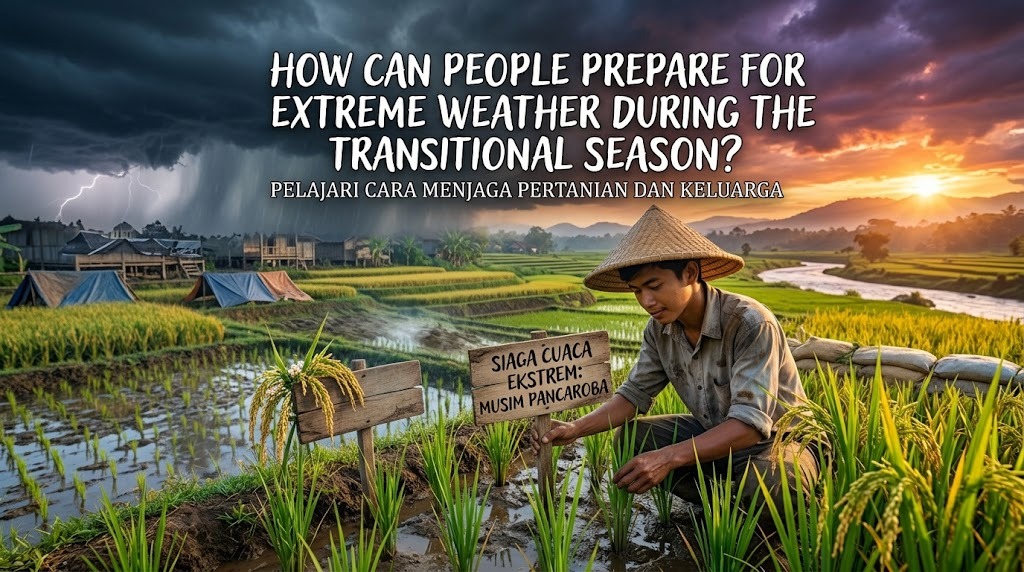
The transitional season, also known as the changeover between the rainy and dry seasons, often brings unpredictable weather. In Indonesia, people may experience intense sunshine, sudden heavy rain, strong winds, lightning, and thunderstorms within a single day. These conditions can disrupt daily activities, damage property, and increase the risk of accidents and health problems. Therefore, preparing for extreme weather is important to protect ourselves, our families, and our homes. By understanding weather forecasts, preparing essential supplies, and following safety guidelines, people can reduce risks and respond more effectively to unexpected weather changes.
UNDERSTAND WEATHER FORECASTS AND WARNINGS
One of the most important ways to prepare for extreme weather is to check weather forecasts regularly. People can obtain information from the Indonesian Meteorology, Climatology, and Geophysics Agency, known as BMKG, through its official website and communication channels. Weather updates can help people recognize the possibility of heavy rain, strong winds, lightning, or other dangerous conditions. It is especially important to check forecasts before traveling, organizing outdoor activities, or planning work that depends on the weather. However, forecasts may change, so checking updates throughout the day can help people make safer decisions.
People should also learn to recognize official weather warnings and understand what actions they recommend. When authorities advise people to avoid certain areas or postpone outdoor activities, their instructions should be taken seriously. Do not rely only on social media rumors because inaccurate information can cause unnecessary panic or lead to unsafe decisions. Share verified updates with family members, friends, and neighbors when necessary. Staying informed helps people prepare early instead of waiting until dangerous weather arrives.
PREPARE AN EMERGENCY KIT
An emergency kit can be very useful when extreme weather interrupts transportation, electricity, or access to shops. The kit should contain drinking water, ready-to-eat food, a flashlight, spare batteries, a first-aid kit, and essential medicines. People should also prepare a fully charged power bank, a battery-powered radio if available, and copies of important documents stored in waterproof packaging. These supplies can help families meet basic needs if they must stay indoors or leave their homes temporarily. Check the kit regularly to replace expired food, used medicines, and damaged equipment.
The contents of an emergency kit should match the needs of each household. Families with babies, older adults, people with disabilities, or pets may need additional supplies. For example, they may require special food, mobility aids, hygiene products, or extra medication. Keep the kit in a place that is easy to reach and tell family members where it is stored. Preparing supplies in advance can reduce confusion and help everyone respond more calmly during an emergency.
PROTECT YOUR HOME FROM HEAVY RAIN AND STRONG WINDS
Before the transitional season brings severe weather, inspect the condition of your home. Check the roof for loose tiles, damaged sheets, or leaks that could become worse during heavy rain. Clean gutters and drainage channels to help rainwater flow properly and reduce the risk of water entering the house. Make sure windows, doors, and other openings are secure, and repair damaged parts when possible. These simple maintenance steps can help reduce property damage and improve household safety.
Strong winds can also turn loose objects into dangerous projectiles. Secure outdoor furniture, flowerpots, signs, and other items that could be blown away. Trim weak branches near buildings when it is safe to do so, and ask qualified professionals to handle dangerous trees or electrical hazards. If flooding is possible, keep important documents, electronic devices, and valuable belongings in elevated or waterproof storage. Never touch fallen electrical wires or enter flooded areas where the depth and current are unknown.
PLAN SAFE TRAVEL AND DAILY ACTIVITIES
Extreme weather can make roads slippery, reduce visibility, and cause traffic delays. Before leaving home, check the weather forecast and allow extra time for your journey. Motorcyclists should wear suitable rain gear and helmets, while drivers should maintain a safe distance from other vehicles and reduce speed on wet roads. If visibility becomes poor or conditions become dangerous, stop in a safe location rather than continuing to travel. Avoid crossing flooded roads because water may hide potholes, strong currents, or damaged road surfaces.
Outdoor activities should be adjusted according to weather conditions. If thunderstorms are expected, consider postponing sports, picnics, or other activities in open areas. During lightning, move into a substantial enclosed building or a fully enclosed vehicle, and stay away from isolated trees, open fields, and exposed high places. People who work outdoors should follow workplace safety procedures and take shelter when dangerous weather develops. Changing plans early is safer than taking unnecessary risks to maintain a schedule.
KNOW WHAT TO DO DURING FLOODS AND THUNDERSTORMS
Knowing how to respond during an emergency can protect lives. During heavy rainfall, monitor water levels around your home and follow official instructions from local authorities. If floodwater begins entering your house and evacuation is advised, move to a safer location using the recommended route. Avoid walking, riding a motorcycle, or driving through floodwater because even shallow moving water can be dangerous. If you are trapped or face an immediate threat, contact local emergency services when possible.
During thunderstorms, stay indoors and keep away from windows, metal objects, and electrical equipment connected to power outlets. Avoid showering or using plumbing during nearby lightning because electrical surges can travel through wiring and pipes. If you are outside and cannot reach a building, move away from isolated tall objects and exposed areas while seeking the safest available shelter. Never shelter under a lone tree during a lightning storm. Following official safety instructions and avoiding flooded or exposed areas can significantly reduce the risk of injury.
KEEP YOUR FAMILY INFORMED AND CONNECTED
Family communication is an important part of emergency preparation. Discuss what everyone should do if heavy rain, flooding, or strong winds occur while family members are at school, work, or traveling. Choose a meeting point outside areas at risk of flooding and agree on an alternative place if the first location becomes unsafe. Make sure everyone knows important telephone numbers and how to contact other family members. These arrangements can help prevent confusion when communication networks become unreliable.
It is also helpful to check on neighbors who may need extra assistance, especially older adults and people with disabilities. Share reliable weather warnings and offer help only when it is safe to do so. Keep mobile phones charged and consider carrying a written list of emergency contacts in case devices lose power. Families should practice their emergency plans occasionally so that everyone understands their responsibilities. Good communication and community cooperation can make it easier for people to respond quickly and safely.
MAINTAIN HEALTH AND PERSONAL SAFETY
The transitional season can bring sudden temperature changes, high humidity, and periods of intense heat. People should drink enough water, wear suitable clothing, and avoid prolonged exposure to extreme heat. During hot weather, seek shade or a cool indoor place and limit strenuous outdoor activities when temperatures are high. Heavy rain can also increase exposure to contaminated water, so avoid using floodwater for drinking, cooking, or washing food. Good hygiene and access to safe drinking water are essential for reducing health risks.
After severe weather, check yourself and family members for injuries or signs of illness. Avoid cleaning flooded areas without suitable protection, and never enter buildings that may have structural damage or electrical hazards. If someone is injured, seriously unwell, or exposed to a dangerous situation, seek appropriate medical or emergency assistance. People with existing health needs should keep necessary medicines available and follow advice from healthcare professionals. Taking care of physical health helps families recover more safely after extreme weather.
CONCLUSION
Preparing for extreme weather during the transitional season requires awareness, planning, and practical action. People should monitor official weather forecasts, prepare emergency supplies, maintain their homes, and adjust travel plans when conditions become dangerous. Learning how to respond to floods, thunderstorms, and strong winds can reduce the risk of accidents and property damage. Families should also establish communication plans and pay attention to the needs of vulnerable household members. By taking these precautions before extreme weather occurs, everyone can improve their safety and become more prepared for unpredictable weather changes.
Recent Posts

Bagaimana Sistem SKS pada Program Kuliah... 22.11.2026/54 View

How Does Technology Make Daily Evaluation... 21.11.2026/83 View

Apa Strategi Menghadapi Kesenjangan antara Kompetensi... 21.11.2026/81 View

Mengapa Inventaris Aset Penting bagi Kelancaran... 21.11.2026/78 View

When Should Musicians Join a Record... 21.11.2026/82 View
