

How Can People Stop Spreading Hate Online?
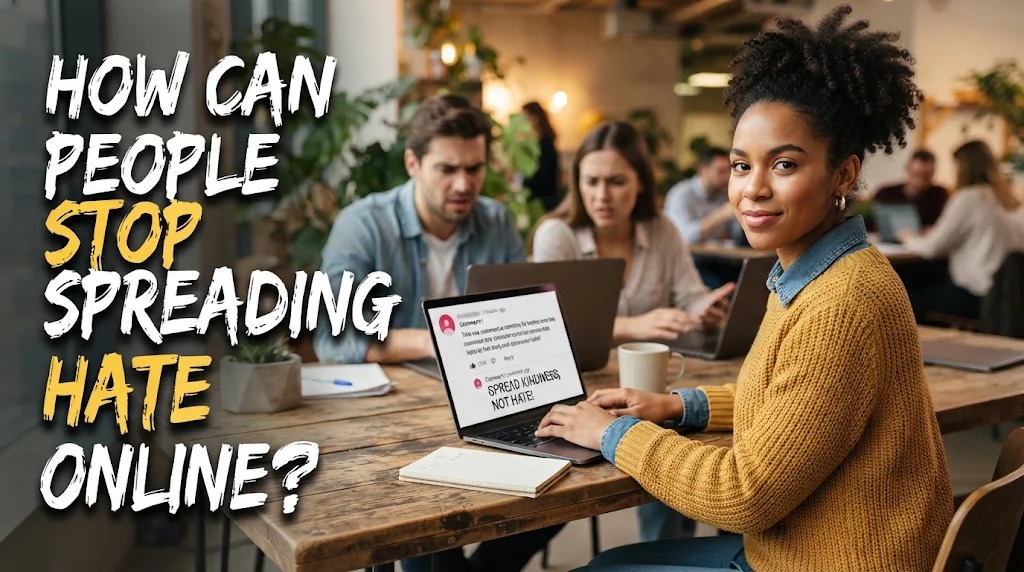
The internet has made communication easier by allowing people to share information, express opinions, and connect with others from different backgrounds. Social media platforms, online communities, and messaging applications provide opportunities for meaningful discussions. However, these digital spaces can also become places where insults, harassment, discrimination, and hateful messages spread quickly.
Online hate can damage relationships, create emotional distress, and make people feel unsafe when expressing themselves. It may begin with a negative comment, an offensive joke, or an argument that gradually turns into personal attacks. Preventing this behavior requires individual responsibility, respectful communication, and cooperation between internet users, digital platforms, and communities.
THINK BEFORE POSTING OR COMMENTING
One important way to stop spreading hate online is to think carefully before publishing a comment or sharing content. People sometimes react immediately when they feel angry, disappointed, or offended. Without considering the consequences, they may write something insulting that creates unnecessary conflict.
Taking a moment to review a message can help users decide whether their words are appropriate and useful. They should consider whether the comment communicates an idea or simply attacks another person. Developing this habit can reduce impulsive reactions and encourage healthier online conversations.
RESPECT DIFFERENT OPINIONS AND PERSPECTIVES
The internet connects people with different cultures, beliefs, experiences, and ways of thinking. Disagreements are therefore unavoidable in digital discussions. However, having a different opinion does not give anyone the right to humiliate, threaten, or insult others.
People can express disagreement without attacking someone's identity or personal characteristics. Instead of assuming that everyone must share the same perspective, users should learn to listen and consider alternative explanations. Respecting differences creates an environment where discussions can remain informative rather than becoming hostile.
AVOID SHARING UNVERIFIED INFORMATION
False information and misleading content can contribute to online hostility. When users share accusations, edited images, or incomplete stories without checking their accuracy, they may damage someone's reputation and encourage others to participate in harassment.
Before sharing information, users should examine the original source, check the context, and compare important claims with reliable references. They should also avoid spreading screenshots or rumors that expose private information. Responsible information sharing helps prevent misunderstandings from developing into larger online conflicts.
DEVELOP EMPATHY TOWARD OTHER INTERNET USERS
Empathy is essential for reducing hateful behavior because it encourages people to consider how their actions affect others. Behind every account is a real person with feelings, responsibilities, and personal experiences. A comment that seems like a harmless joke to one user may become deeply hurtful to someone else.
Developing empathy involves recognizing that people have different emotional limits and circumstances. Before posting something negative, users can consider how they would feel if they received the same message. This simple perspective can encourage more thoughtful communication and reduce unnecessary personal attacks.
STOP PARTICIPATING IN ONLINE GOSSIP
Online gossip can spread quickly through comment sections, group chats, and social media communities. People may share private stories, embarrassing information, or unverified accusations because they want attention or entertainment. Unfortunately, this behavior can damage someone's reputation and encourage others to join the discussion.
Users should avoid forwarding gossip simply because it is popular or widely discussed. If a conversation begins targeting someone unfairly, they can choose not to participate or redirect the discussion toward a more constructive subject. Refusing to spread harmful information is an important way to reduce online negativity.
USE SOCIAL MEDIA RESPONSIBLY
Social media should provide opportunities for communication, creativity, and learning rather than becoming a place for constant hostility. Users can contribute to healthier digital spaces by sharing useful information, supporting positive discussions, and avoiding content designed to humiliate others.
Responsible social media use also includes understanding platform rules and respecting other people's privacy. Users should avoid sharing personal photographs, contact details, or sensitive information without permission. By treating digital communication as an extension of real-life interactions, people can develop more respectful online habits.
REFUSE TO REWARD HATEFUL CONTENT WITH ATTENTION
Some individuals post provocative messages because they want reactions, arguments, or increased visibility. When users repeatedly engage with these posts, they may unintentionally help the content attract more attention. This can encourage the person responsible to continue similar behavior.
Not every negative message deserves a reply. Users can ignore, mute, block, or report accounts that repeatedly engage in harassment. However, harmful threats or serious abuse should not simply be overlooked. Preserving evidence and reporting dangerous behavior through appropriate channels can help protect those affected.
SUPPORT VICTIMS OF ONLINE HARASSMENT
People who experience online hate may feel embarrassed, isolated, or afraid to speak about what is happening. Support from friends, family members, colleagues, and online communities can help them feel less alone. Even a simple message expressing concern can make a meaningful difference.
Users should avoid blaming victims or questioning why they attracted negative attention. Instead, they can listen, encourage the person to preserve evidence, and help them report abusive content. Creating supportive communities makes it easier for victims to seek assistance and discourages others from participating in harassment.
PROMOTE DIGITAL LITERACY AND ONLINE EDUCATION
Digital literacy helps people understand how online communication works and how their actions can affect others. It includes evaluating information, recognizing misleading content, protecting privacy, and understanding the consequences of digital behavior.
Schools, families, workplaces, and community organizations can promote digital literacy through discussions, educational activities, and practical guidance. Young internet users especially benefit from learning how to respond to disagreements, recognize cyberbullying, and report harmful interactions. Education can encourage responsible online participation before negative habits become established.
CREATE HEALTHIER ONLINE COMMUNITIES
Preventing online hate is not only an individual responsibility. Social media platforms, community administrators, content creators, and organizations also influence how people communicate in digital spaces. Clear community guidelines can establish expectations about respectful discussion and unacceptable behavior.
Moderators can help maintain these standards by removing abusive content, addressing repeated violations, and providing accessible reporting systems. Content creators can also encourage positive engagement by setting expectations for their audiences. When communities consistently promote respect and accountability, users have more opportunities to participate without fear of harassment.
CONCLUSION
People can help stop spreading hate online by thinking before posting, respecting different opinions, checking information, developing empathy, and refusing to participate in harmful discussions. Supporting victims, practicing digital literacy, and encouraging responsible social media use are also important steps toward creating safer online environments.
Stopping online hate does not require everyone to agree with one another. It requires people to understand that disagreement can exist without insults, threats, or humiliation. Every internet user has a role in making digital spaces more respectful, informative, and welcoming for everyone.
Recent Posts

Bagaimana Sistem SKS pada Program Kuliah... 22.11.2026/25 View

How Does Technology Make Daily Evaluation... 21.11.2026/64 View

Apa Strategi Menghadapi Kesenjangan antara Kompetensi... 21.11.2026/65 View

Mengapa Inventaris Aset Penting bagi Kelancaran... 21.11.2026/62 View

When Should Musicians Join a Record... 21.11.2026/61 View
