

How Can Political Bribery Obstruct National Development and Public Welfare?
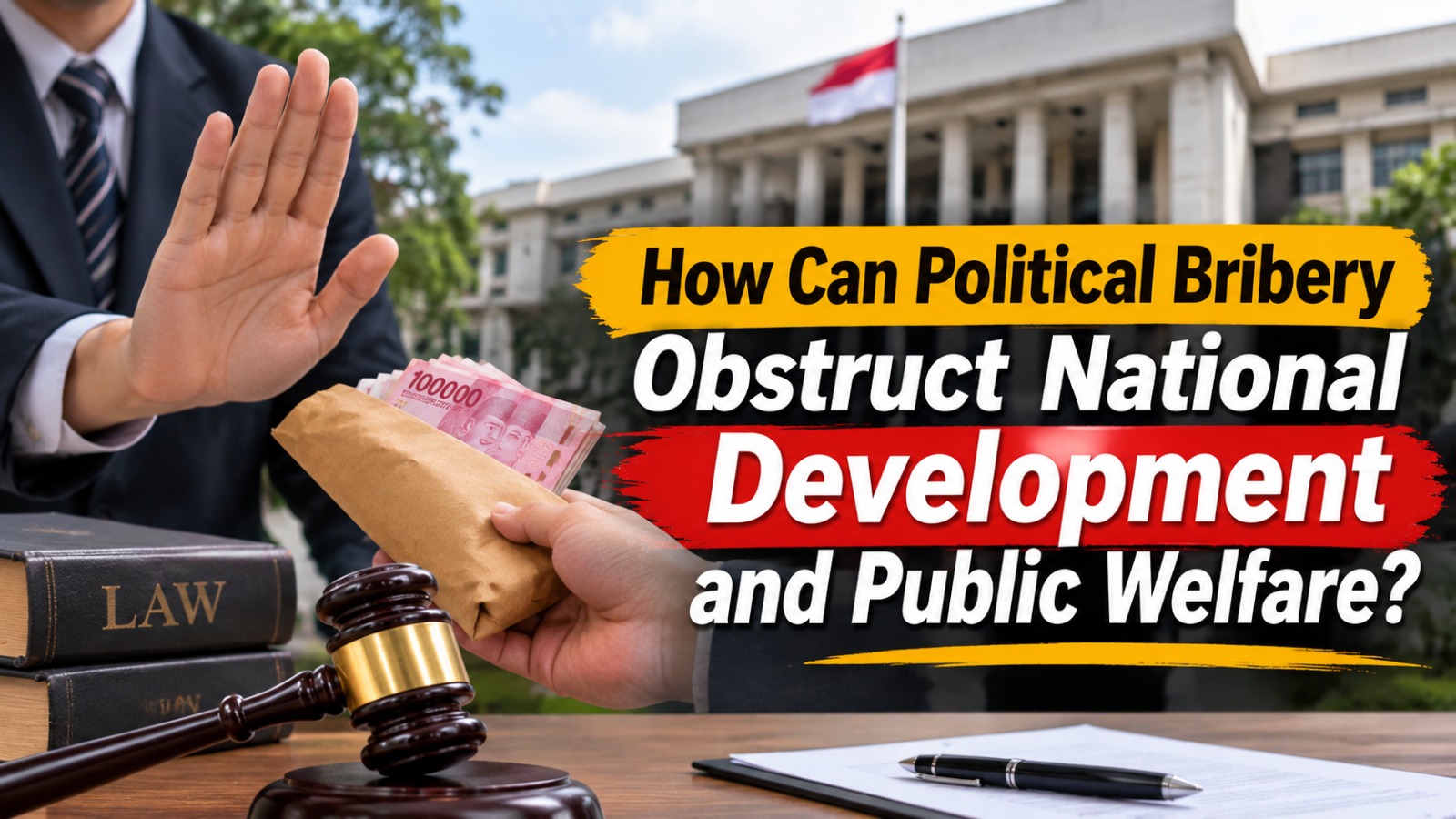
Political bribery is a serious problem that can obstruct national development and reduce the quality of public welfare. It occurs when individuals or organizations offer, request, or receive money, gifts, or other benefits to influence government decisions for personal or private interests. This practice can interfere with the proper distribution of public resources, weaken government institutions, and create unfair economic opportunities. When public officials prioritize illegal benefits over their responsibilities, important development programs may fail to achieve their intended goals. Political bribery does not only affect government administration but also creates long-term consequences for education, healthcare, infrastructure, economic growth, and social equality. Understanding these impacts is important for building a transparent government that prioritizes the needs of society.
DISRUPTING THE DISTRIBUTION OF NATIONAL RESOURCES
National resources include government budgets, public facilities, natural resources, and other assets used to support development and improve people's quality of life. Ideally, these resources should be distributed according to public needs, development priorities, and established regulations. However, political bribery can influence how governments allocate their resources by allowing certain individuals or organizations to obtain special advantages through illegal agreements. As a result, public decisions may benefit powerful groups rather than communities that need government assistance.
For example, a company may offer money to government officials to secure a public infrastructure project despite having limited qualifications. This arrangement can prevent more capable companies from receiving fair opportunities and increase the risk of poor project results. Public budgets may also be directed toward projects that provide private benefits instead of addressing urgent community needs. Unfair resource allocation can increase regional inequality and reduce the effectiveness of national development programs. Therefore, preventing political bribery is essential for ensuring that public resources are managed responsibly.
SLOWING ECONOMIC GROWTH AND INVESTMENT OPPORTUNITIES
Political bribery can weaken economic development by creating an unfair business environment. Companies that provide illegal payments may receive special treatment when applying for permits, obtaining government contracts, or accessing business opportunities. Meanwhile, businesses that follow legal procedures may experience difficulties competing against organizations that use bribery to gain advantages. This situation damages fair competition and discourages responsible business practices.
Furthermore, political bribery can reduce investor confidence because businesses may consider corrupt government systems unpredictable and risky. Investors generally need clear regulations, reliable public services, and equal treatment when operating in a country. When government decisions depend on financial influence rather than established procedures, investment opportunities may become less attractive. Corruption can also increase project costs and reduce the efficiency of public spending. In the long term, these conditions can slow economic growth, limit job opportunities, and weaken national competitiveness.
REDUCING THE QUALITY OF EDUCATION AND HEALTHCARE SERVICES
Public services such as education and healthcare are essential for improving human development and supporting national progress. However, political bribery can reduce their quality when government budgets and development programs are influenced by private interests. For example, funding intended to improve school facilities may be misused through manipulated procurement agreements or contracts awarded to unqualified suppliers. This can result in inadequate learning facilities, limited educational resources, and unequal access to quality education.
The healthcare sector can also experience similar problems when bribery influences the procurement of medical equipment, medicines, or hospital construction projects. Government institutions may select suppliers based on illegal financial agreements rather than product quality and professional qualifications. Consequently, healthcare facilities may lack essential resources or provide services below expected standards. These conditions affect vulnerable communities most severely because they often depend on affordable public services. Protecting education and healthcare budgets from corruption is therefore important for improving public welfare and developing a more productive population.
INCREASING SOCIAL INEQUALITY AND REDUCING PUBLIC WELFARE
Political bribery can increase social inequality because its benefits are often concentrated among individuals and organizations with greater financial resources or political influence. Wealthy groups may use illegal payments to obtain government contracts, business permits, or favorable policies that strengthen their economic positions. Meanwhile, ordinary citizens may struggle to access equal opportunities because public resources are not distributed fairly. This situation creates a wider gap between powerful groups and disadvantaged communities.
Another consequence is the reduction of public welfare when government programs fail to reach their intended beneficiaries. Financial assistance, housing programs, transportation development, and other public services may be affected by corruption and improper resource management. Communities with limited economic opportunities can experience greater difficulties when development funds are misused. Political bribery can also weaken social trust because citizens may believe that government institutions protect private interests instead of serving everyone equally. Fair administration and responsible public spending are necessary to reduce inequality and improve living conditions.
WEAKENING GOVERNMENT INSTITUTIONS AND NATIONAL DEVELOPMENT
Strong government institutions are essential for implementing development policies, maintaining stability, and protecting public interests. However, political bribery can weaken these institutions by encouraging officials to ignore regulations and prioritize personal benefits. When corruption becomes common within government organizations, ethical standards and professional responsibilities may gradually decline. This situation makes public administration less effective and reduces the government's ability to implement development programs properly.
Political bribery can also damage institutional accountability because officials may attempt to hide illegal agreements or interfere with investigations. When individuals involved in corruption avoid legal consequences, public confidence in government institutions can decline. Citizens may become less interested in participating in democratic activities because they feel that their concerns are not being represented fairly. Preventing these problems requires independent supervision, transparent financial management, consistent law enforcement, and strong anti-corruption policies. Through responsible institutions and ethical leadership, governments can create a more stable foundation for sustainable national development.
CONCLUSION
Political bribery can obstruct national development and public welfare by disrupting resource distribution, slowing economic growth, reducing the quality of public services, increasing social inequality, and weakening government institutions. When political decisions are influenced by illegal benefits, public resources may no longer serve the needs of society effectively. These consequences can create long-term obstacles to economic progress and reduce opportunities for future generations.
Preventing political bribery requires cooperation between government institutions, law enforcement agencies, political organizations, businesses, and citizens. Governments must strengthen transparency, enforce anti-corruption regulations, and ensure that public budgets are managed responsibly. Citizens should also monitor public activities and support leaders who demonstrate honesty and accountability. By reducing bribery and strengthening institutional integrity, countries can improve public welfare and achieve more inclusive and sustainable national development.
Recent Posts

Apa Dampak Jika Siswa Tidak Mengikuti... 17.11.2026/45 View

Seberapa Penting Pengalaman Organisasi Kampus dalam... 17.11.2026/45 View

Mengapa Upacara Bendera Menjadi Sarana Mengenang... 17.11.2026/43 View

Apa Perbedaan Desainer Grafis dan Desainer... 17.11.2026/47 View

Bagaimana Cara Meningkatkan Semangat Siswa dalam... 17.11.2026/50 View
