

How Can Political Parties Prevent Bribery Within Their Organizations?
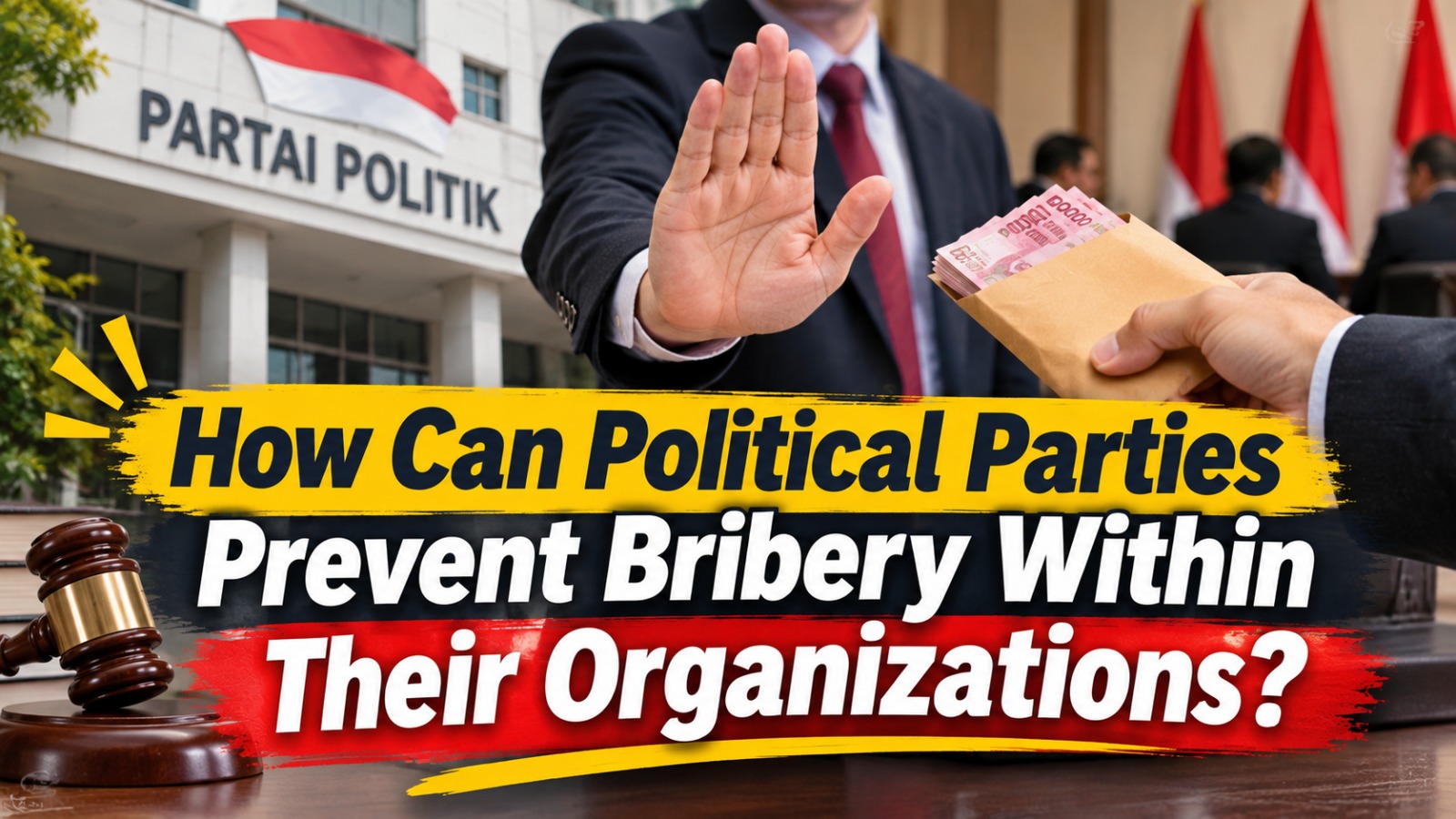
Political bribery is a serious challenge that can damage the credibility of political parties and weaken democratic institutions. It occurs when individuals offer, request, or receive money, gifts, or other benefits to influence political decisions for personal or organizational interests. Political parties are particularly important in preventing this practice because they play a major role in selecting candidates, organizing campaigns, managing political funding, and developing public policies. When bribery occurs within a political organization, it can damage internal trust, create unfair competition, and reduce public confidence in political leadership. Therefore, political parties must establish strong internal regulations, transparent financial systems, and ethical standards to prevent corruption and maintain their integrity.
ESTABLISHING STRICT INTERNAL RULES AND ETHICAL STANDARDS
Internal regulations and ethical standards are essential for preventing bribery within political parties. Every political organization should establish clear rules that prohibit members from offering or accepting illegal payments, gifts, or other benefits in exchange for political advantages. These regulations should apply to party leaders, candidates, campaign teams, and other members without exception. Clear rules help individuals understand their responsibilities and recognize behavior that violates organizational principles.
Political parties should also establish appropriate disciplinary procedures for members who participate in bribery or other corrupt activities. Depending on the seriousness of the violation and applicable laws, consequences may include warnings, suspension, removal from organizational positions, or referral to law enforcement authorities. In addition, parties should provide regular ethics training to strengthen members' understanding of honesty, accountability, and public responsibility. Consistent enforcement of internal rules demonstrates that political organizations take corruption prevention seriously and are committed to maintaining trustworthy leadership.
ENSURING TRANSPARENT POLITICAL FUNDING AND FINANCIAL MANAGEMENT
Financial transparency is one of the most effective ways to reduce bribery within political parties. Political organizations receive financial support from various sources, including membership contributions, individual donations, and other lawful funding arrangements. Without proper financial supervision, these resources may be used for illegal payments or exchanged for political favors. Therefore, parties should maintain accurate financial records and clearly identify the sources of their income and organizational expenses.
Political parties must also establish reliable procedures for managing campaign funds and internal financial activities. Regular financial audits can help identify suspicious transactions, unexplained expenses, and possible conflicts of interest. Financial reports should be prepared according to applicable regulations and made accessible to relevant supervisory institutions. Transparent campaign financing can reduce the influence of hidden donors who expect special treatment in return for their contributions. Through responsible financial management, political parties can protect their independence and prevent money from controlling internal decisions.
STRENGTHENING INTERNAL SUPERVISION AND ACCOUNTABILITY
Political parties need effective internal supervision to identify and prevent bribery before it becomes a larger organizational problem. They can establish independent ethics committees or supervisory bodies responsible for monitoring members' activities and examining reports of misconduct. These bodies should have clear responsibilities and sufficient independence to investigate violations without interference from influential party leaders. Effective supervision helps ensure that internal decisions follow established regulations rather than personal interests.
Accountability is equally important because party leaders and members must be responsible for their actions and decisions. Organizations should establish accessible complaint systems that allow members to report suspicious activities safely. Every complaint should be examined fairly, supported by reliable evidence, and handled through appropriate procedures. Political parties should also evaluate their internal systems regularly to identify weaknesses that could create opportunities for bribery. By strengthening supervision and accountability, political organizations can develop a culture that rejects corruption and values responsible leadership.
SELECTING CANDIDATES BASED ON INTEGRITY AND QUALIFICATIONS
The candidate selection process is another important area where political bribery can occur. Some individuals may attempt to obtain political nominations by offering money, gifts, or other benefits to influential party members. This practice creates unfair competition because candidates are selected based on financial influence rather than their abilities, experience, and commitment to public service. If political parties allow such practices, they risk promoting individuals who prioritize personal interests over public responsibilities.
To prevent this problem, political organizations should establish fair and transparent candidate selection procedures. Candidate evaluations should consider leadership experience, professional qualifications, ethical conduct, public service records, and commitment to democratic principles. Selection committees should follow objective criteria and document their decisions to reduce opportunities for manipulation. Parties should also require candidates to disclose relevant financial interests and potential conflicts of interest. These measures can help ensure that political representatives are chosen based on their integrity and ability to serve society.
PROMOTING POLITICAL EDUCATION AND ANTI-BRIBERY CULTURE
Political education plays an important role in preventing bribery because it helps party members understand the consequences of corruption and the importance of ethical political behavior. Political parties should provide regular training about anti-corruption regulations, financial accountability, election laws, and responsible leadership. These activities can help members recognize bribery practices and understand how illegal agreements damage democratic institutions. Education should reach all organizational levels, including local branches, campaign teams, and senior leadership.
Political parties should also build an organizational culture that values honesty, transparency, and public service. Leaders must demonstrate ethical behavior through their decisions and actions because members often follow the examples set by senior officials. Parties can encourage members to reject illegal financial offers, report suspicious activities, and prioritize public interests when making political decisions. Cooperation with anti-corruption institutions and civil society organizations can also strengthen prevention programs. Through continuous education and responsible leadership, political parties can create an environment that does not tolerate bribery.
CONCLUSION
Political parties can prevent bribery within their organizations by establishing strict ethical standards, maintaining transparent financial management, strengthening internal supervision, selecting candidates fairly, and promoting political education. These measures help reduce opportunities for illegal transactions and prevent individuals from using political influence for personal benefits. Strong internal systems also improve organizational credibility and strengthen public confidence in political leadership.
Preventing political bribery requires commitment from every member of a political organization, especially those holding important leadership positions. Political parties must ensure that regulations are applied consistently and that financial activities remain transparent. By prioritizing integrity, accountability, and public responsibility, political organizations can strengthen democratic institutions and contribute to a fairer political system.
Recent Posts
Apa Dampak Jika Siswa Tidak Mengikuti... 17.11.2026/45 View

Seberapa Penting Pengalaman Organisasi Kampus dalam... 17.11.2026/45 View
Mengapa Upacara Bendera Menjadi Sarana Mengenang... 17.11.2026/43 View

Apa Perbedaan Desainer Grafis dan Desainer... 17.11.2026/47 View
Bagaimana Cara Meningkatkan Semangat Siswa dalam... 17.11.2026/50 View
