

How Can Production Staff Improve Daily Productivity?
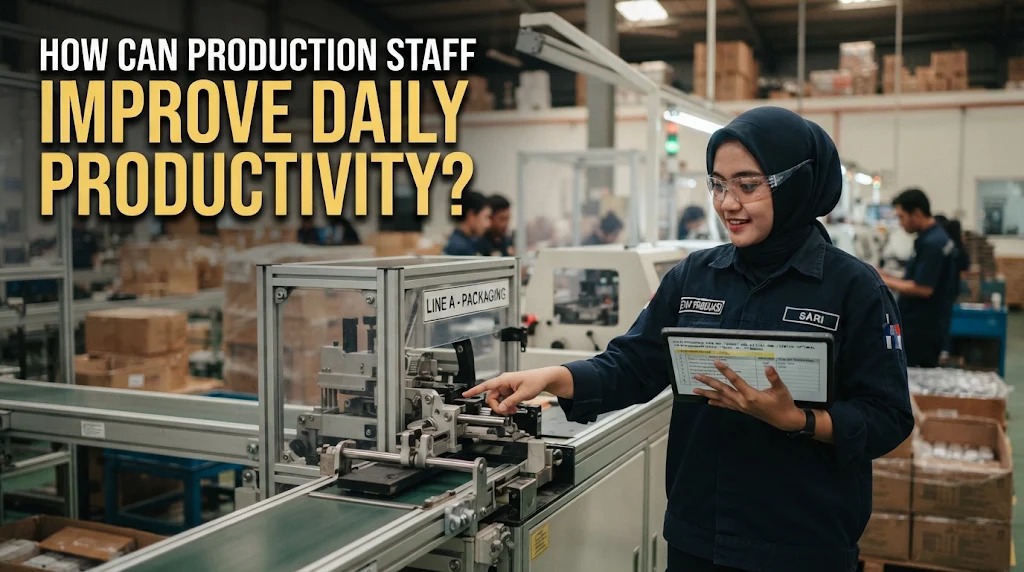
Productivity is a key factor in determining how efficiently a manufacturing company operates. Production staff have an important responsibility to ensure that daily activities are completed according to company targets, schedules, and quality standards. However, busy workflows, communication problems, and unexpected production delays can affect employee performance. To overcome these challenges, production staff need effective strategies that help them manage responsibilities, save time, and maintain consistent work results.
SETTING CLEAR DAILY WORK TARGETS
Setting clear daily work targets helps production staff understand what needs to be accomplished during each shift. Employees should identify their main responsibilities, expected results, and deadlines before beginning their activities. Having specific targets makes it easier to organize work and measure daily performance. It also helps employees stay focused on tasks that directly support production goals.
Targets should be realistic and adjusted to available resources and working conditions. Production staff can coordinate with supervisors to understand which activities require immediate attention. When everyone understands the expected results, the team can work more systematically and avoid unnecessary confusion. Clear targets also make it easier to evaluate whether production activities are progressing as planned.
APPLYING EFFECTIVE TIME MANAGEMENT
Time management plays an important role in improving productivity because production staff often handle several responsibilities throughout the day. They should arrange tasks according to their urgency and importance to prevent critical activities from being delayed. Creating a daily schedule can help employees divide their working hours more effectively. This also reduces the risk of spending too much time on repetitive or unnecessary activities.
Employees should develop the habit of completing tasks within reasonable time limits while maintaining accuracy. They can also prepare documents, check information, and organize materials before starting important activities. When unexpected problems occur, production staff should adjust their schedules without neglecting essential responsibilities. Effective time management allows employees to maintain a balanced and consistent workflow.
COORDINATING WITH OTHER DEPARTMENTS
Production activities depend on cooperation between different departments, including warehouse, quality control, maintenance, and distribution. Production staff need to communicate regularly with these teams to ensure that materials, equipment, and production information are available when needed. Poor coordination can cause delays and interrupt manufacturing schedules. Therefore, sharing accurate information is essential for maintaining smooth operations.
Communication should be clear, timely, and focused on solving problems. For example, when raw materials are running low, production staff should inform the warehouse team before supplies become unavailable. They should also report equipment problems to the appropriate personnel so that repairs can be arranged quickly. Strong coordination helps reduce interruptions and improves overall workplace efficiency.
FOLLOWING STANDARD OPERATING PROCEDURES
Standard Operating Procedures (SOPs) provide instructions for completing tasks correctly and consistently. Production staff should understand and follow these procedures when monitoring workflows, recording information, and coordinating manufacturing activities. Following established guidelines helps prevent mistakes that could affect production quality or employee safety. It also ensures that daily activities meet the company's operational requirements.
Employees should regularly review work instructions, especially when procedures change or new equipment is introduced. If they discover unclear instructions or repeated problems, they should communicate with supervisors for clarification. Avoiding shortcuts is important because incorrect procedures can create additional work and production delays. Consistent compliance with SOPs supports reliable results and better productivity.
USING DIGITAL TOOLS TO SIMPLIFY WORK
Digital technology can help production staff manage information and complete administrative responsibilities more efficiently. Applications such as Microsoft Excel, inventory systems, and production management software can be used to record output, monitor materials, and prepare daily reports. These tools reduce the need for repetitive manual calculations and make important information easier to access. They can also help employees identify production trends and possible operational problems.
To use technology effectively, production staff should develop basic digital skills and understand the functions of the systems provided by their company. They must also ensure that information is entered correctly and updated regularly. Incorrect records can lead to poor decisions and misunderstandings between departments. When used properly, digital tools can save time and improve the accuracy of production management.
IDENTIFYING AND SOLVING WORKPLACE PROBLEMS
Workplace problems such as machine breakdowns, material shortages, and scheduling conflicts can reduce daily productivity. Production staff should pay attention to changes in production activities and identify potential problems as early as possible. They need to collect relevant information before reporting an issue to supervisors or the responsible department. Early detection can prevent small difficulties from becoming major disruptions.
Problem-solving also requires employees to think about practical solutions. For instance, when production output decreases, staff can review the schedule, check material availability, and communicate with operators to understand the cause. They should avoid making decisions beyond their authority and follow the company's reporting procedures. A systematic approach helps reduce downtime and keeps production activities under control.
MAINTAINING EMPLOYEE FOCUS AND WORK DISCIPLINE
Work discipline is essential for maintaining productivity throughout the working day. Production staff should arrive on time, follow company regulations, and complete assigned responsibilities consistently. They should also minimize distractions and avoid activities that interfere with important tasks. Maintaining concentration helps employees produce accurate work and meet established deadlines.
Physical and mental readiness can also influence work performance. Employees should follow appropriate rest schedules, maintain a healthy working routine, and take permitted breaks when necessary. A supportive workplace encourages team members to remain motivated and responsible. With good discipline and consistent work habits, production staff can maintain stable performance.
EVALUATING DAILY PERFORMANCE
Evaluating daily performance allows production staff to understand whether their work methods are effective. They can review completed tasks, compare production results with established targets, and identify activities that caused delays. This evaluation provides useful information about strengths and areas that need improvement. It also helps employees prepare better plans for the following working day.
Feedback from supervisors and coworkers can provide additional perspectives on employee performance. Production staff should use constructive feedback to improve their skills and correct repeated mistakes. They can also suggest changes that may simplify work procedures or improve coordination. Regular evaluation supports continuous improvement and helps the company achieve more consistent production results.
CONCLUSION
Production staff can improve daily productivity by setting clear targets, managing time, coordinating with other departments, and following standard operating procedures. Using digital tools, solving workplace problems, maintaining discipline, and evaluating performance are also important steps. These strategies help employees reduce unnecessary delays, improve work accuracy, and maintain efficient production activities. With consistent effort and cooperation, production staff can contribute significantly to manufacturing performance and company success.
Recent Posts

How Does Technology Make Daily Evaluation... 21.11.2026/56 View

Apa Strategi Menghadapi Kesenjangan antara Kompetensi... 21.11.2026/58 View

Mengapa Inventaris Aset Penting bagi Kelancaran... 21.11.2026/52 View

When Should Musicians Join a Record... 21.11.2026/53 View

Daily Evaluation or Daily Planning Which... 21.11.2026/60 View
