

How Can Reading Interest Be Increased Among Students?
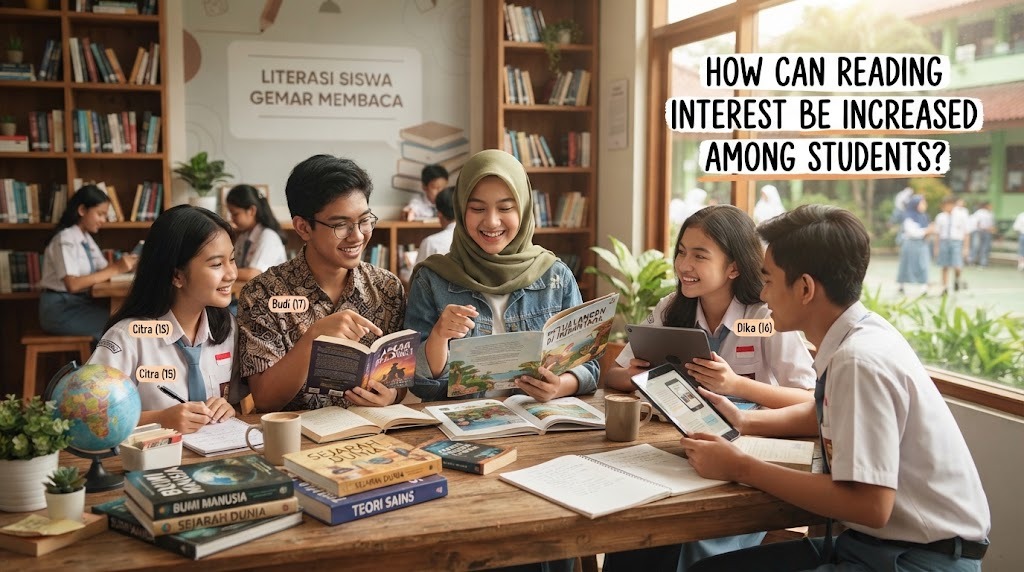
Reading interest is an important part of students' learning development. Students who enjoy reading are more willing to explore information, understand new ideas, and improve their knowledge. However, some students may see reading as a difficult or boring activity, especially when the materials do not match their interests. Therefore, schools, teachers, parents, and students need to work together to create a more enjoyable reading experience. By using the right strategies, reading interest among students can gradually increase.
UNDERSTANDING STUDENTS' READING INTEREST
Reading interest refers to a student's willingness, curiosity, and enjoyment when engaging with reading materials. It is different from simply being able to read because a student may have good reading skills but still have little interest in reading. Students with strong reading interest usually spend more time exploring books, articles, stories, or other useful materials. Their interests may also vary depending on their age, personality, hobbies, and learning needs. Understanding these differences is an important first step in encouraging students to read more.
Teachers and parents should avoid assuming that every student enjoys the same type of reading. Some students may prefer fiction and stories, while others may be interested in science, technology, sports, business, or real-life topics. Giving students opportunities to choose suitable materials can make reading feel more personal. When students find content that connects with their interests, they may become more motivated to continue reading. This can gradually turn reading into a positive and consistent habit.
PROVIDING INTERESTING READING MATERIALS
One effective way to increase reading interest is to provide varied and attractive reading materials. Students should have access to different types of books, magazines, short stories, educational articles, and age-appropriate digital content. Materials with engaging topics and clear language can make reading easier to enjoy. Schools can also regularly update their collections so students can discover new subjects. A wider selection gives students more opportunities to find materials that match their personal interests.
The appearance of reading materials can also influence students' attention. Illustrations, simple layouts, interesting titles, and relevant examples can make a book or article more appealing, especially for younger readers. However, attractive design should still be combined with accurate and useful information. Students should also be encouraged to explore different genres instead of reading only one type of material. This approach can help them discover new interests while developing broader knowledge.
CREATING A COMFORTABLE READING ENVIRONMENT
A comfortable reading environment can make students more willing to spend time with books. Schools can create reading corners, small libraries, or quiet spaces where students can read without unnecessary distractions. The area does not need to be expensive or large as long as it feels welcoming and suitable for reading. Good lighting, organized materials, and comfortable seating can make the experience more pleasant. A positive environment can help students associate reading with comfort rather than pressure.
The home environment is also important in developing reading habits. Parents can provide a small reading area and allow children to choose suitable books according to their interests. Adults can also show positive attitudes toward reading because students often learn from the habits of people around them. Reading together for a short time can become a simple family activity. With consistent support at school and at home, students can develop a stronger connection with reading.
GIVING STUDENTS FREEDOM TO CHOOSE
Allowing students to choose what they want to read can increase their sense of independence. When students have control over their reading choices, they may feel more responsible for their learning. Teachers can provide several options instead of requiring every student to read exactly the same material. Students can then select topics that interest them while still following appropriate learning goals. This freedom can make reading feel less like an obligation and more like a personal activity.
Choice does not mean that students should never read challenging materials. Teachers can gradually introduce new genres and subjects after students become comfortable with reading. For example, a student who enjoys stories may later be encouraged to read biographies or informative articles related to those stories. Gradual exploration allows students to expand their interests without feeling overwhelmed. In this way, freedom of choice can support both motivation and knowledge development.
USING TECHNOLOGY TO SUPPORT READING
Technology can provide students with easy access to reading resources. Digital books, educational websites, online libraries, and reading applications can offer materials that may not be available in a traditional classroom library. Students can also read using smartphones, tablets, or computers when appropriate. Digital platforms may include features such as adjustable text size, search functions, and built-in dictionaries that can support comprehension. These advantages can make reading more accessible and flexible.
However, technology should be used wisely because digital devices can also create distractions. Students may move from reading to entertainment or social media if they do not have clear goals. Teachers and parents can guide students to use reliable digital sources and set reasonable reading periods. Students should also learn how to check whether online information is accurate and trustworthy. When used responsibly, technology can complement traditional reading rather than replace it completely.
MAKING READING ACTIVITIES MORE INTERACTIVE
Reading activities can become more enjoyable when students are actively involved in the learning process. Teachers can organize book discussions, reading challenges, storytelling sessions, quizzes, and group activities related to the materials students have read. These activities give students opportunities to share opinions and connect reading with social interaction. Students may also become more interested when they can discuss characters, ideas, facts, or problems found in a text. Interactive activities can make reading feel more meaningful and less repetitive.
Teachers can also connect reading with creative tasks. After reading a story, for example, students might create a poster, write a short review, or present their favorite part to the class. These activities encourage students to process information instead of simply finishing a text. Active participation can strengthen comprehension and help students remember important ideas. Over time, students may begin to view reading as an activity that supports creativity, communication, and discovery.
BUILDING A CONSISTENT READING HABIT
Increasing reading interest requires consistency rather than pressure. Students can start with a small reading target, such as reading for 10 to 15 minutes each day. A manageable target is easier to maintain than a long reading session that makes students feel tired or forced. As students become more comfortable, they can gradually increase their reading time. Regular practice can help reading become a natural part of their daily routine.
Schools can support this habit through scheduled reading periods or simple weekly reading programs. Teachers can also encourage students to keep a reading journal where they record the title, topic, important ideas, or personal opinions about what they have read. The goal should not be to make students feel anxious about completing many books. Instead, the focus should be on creating positive experiences and encouraging continuous learning. When reading becomes a familiar habit, students are more likely to develop lasting interest.
ENCOURAGING STUDENTS WITHOUT EXCESSIVE PRESSURE
Positive encouragement can help students become more confident readers. Teachers and parents can recognize effort, curiosity, and progress rather than focusing only on how many pages or books students complete. Simple praise can make students feel that their reading efforts are valuable. Students should also be allowed to make mistakes while learning new vocabulary or understanding difficult texts. A supportive approach can reduce anxiety and encourage students to keep trying.
Excessive pressure may have the opposite effect. If students associate reading only with tests, grades, or punishment, they may lose their natural curiosity. Instead, adults can explain the real benefits of reading, such as gaining knowledge, discovering new interests, and improving communication skills. Students should understand that reading is useful beyond school assignments. By creating a positive experience, schools and families can help reading become a voluntary and enjoyable activity.
CONCLUSION
Reading interest among students can be increased through enjoyable materials, freedom of choice, comfortable environments, technology, interactive activities, and consistent habits. Students are more likely to enjoy reading when they can connect it with their interests and daily experiences. Teachers and parents have an important role in providing support without creating excessive pressure. Small and regular reading activities can gradually develop stronger motivation and confidence. Ultimately, building reading interest is a long-term process that can help students become active, independent, and lifelong learners.
Recent Posts

Bagaimana Sistem SKS pada Program Kuliah... 22.11.2026/35 View

How Does Technology Make Daily Evaluation... 21.11.2026/69 View

Apa Strategi Menghadapi Kesenjangan antara Kompetensi... 21.11.2026/69 View

Mengapa Inventaris Aset Penting bagi Kelancaran... 21.11.2026/67 View

When Should Musicians Join a Record... 21.11.2026/68 View
