

How Can Recycled Bricks Support Sustainable Construction?
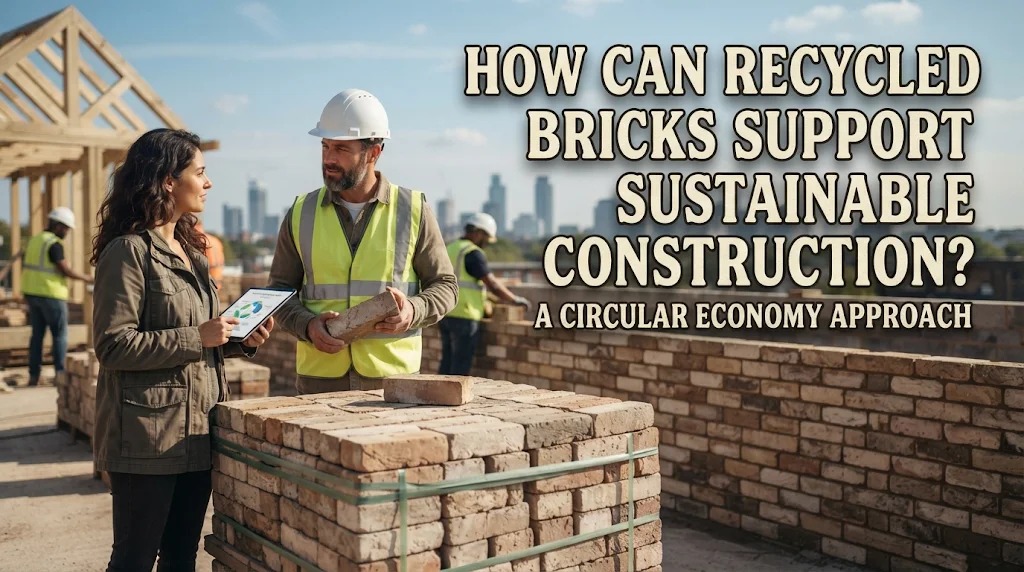
Recycled bricks can support sustainable construction by reducing building waste, conserving natural resources, and providing alternative materials for new projects. Bricks recovered from demolished buildings or renovation activities can often be cleaned, inspected, and reused instead of being sent to landfills. This approach helps construction companies manage resources more efficiently while reducing the environmental impacts associated with producing new building materials. With proper processing and quality assessment, recycled bricks can become valuable resources for environmentally responsible construction.
REDUCE CONSTRUCTION WASTE
Recycling bricks helps reduce the amount of demolition and construction debris sent to landfills. Many bricks removed from old buildings remain strong enough for reuse after cleaning and inspection. Recovering these materials prevents unnecessary disposal and encourages better waste management practices. Construction companies can also separate reusable bricks from damaged materials during demolition activities. This reduces landfill pressure and supports more organized construction operations.
CONSERVE NATURAL RESOURCES
Producing new bricks requires raw materials such as clay, water, and energy. Using recycled bricks reduces the demand for newly manufactured products and helps conserve natural resources. Recovered bricks can replace new materials in suitable construction applications without requiring the same level of raw material extraction. This approach supports responsible resource consumption and helps reduce environmental pressure associated with traditional brick production.
REDUCE ENERGY CONSUMPTION
Manufacturing new bricks generally involves several energy-intensive processes, including clay preparation, shaping, drying, and firing. Reusing existing bricks can avoid some of these production stages. Although transportation, cleaning, and preparation still require energy, direct reuse can reduce overall energy demand compared with manufacturing replacement bricks. This makes recycled bricks a useful option for construction projects seeking to improve resource efficiency and reduce their environmental footprint.
LOWER CONSTRUCTION PROJECT COSTS
Recycled bricks can help reduce material expenses when suitable supplies are available near construction sites. Companies may obtain recovered bricks from demolition projects, renovation activities, or specialized recycling suppliers. After inspection and cleaning, these materials can be used in appropriate building applications. Lower purchasing requirements can create potential savings, although transportation, labor, and processing costs should also be considered. Careful material selection helps ensure that reuse remains economically practical.
SUPPORT CREATIVE ARCHITECTURAL DESIGNS
Recycled bricks offer opportunities for creative architectural and interior design applications. Their varied colors, textures, and surface characteristics can create distinctive appearances in building projects. Architects can use reclaimed bricks for decorative walls, garden pathways, landscape features, and selected interior elements. Older bricks may also provide a traditional appearance that is difficult to reproduce with newly manufactured products. These design possibilities encourage innovation while giving discarded materials additional value.
SUPPORT A CIRCULAR ECONOMY
Using recycled bricks supports a circular economy by keeping construction materials in circulation for longer periods. Instead of discarding bricks after demolition, companies can recover, inspect, clean, and reuse them in other projects. This reduces dependence on newly extracted resources and encourages cooperation between demolition contractors, recycling facilities, and construction companies. A circular approach also promotes more responsible purchasing and material management throughout the building industry.
REQUIRE PROPER QUALITY INSPECTION
Although recycled bricks provide environmental and economic benefits, they must meet appropriate quality and safety requirements before reuse. Each brick should be inspected for cracks, excessive deterioration, contamination, and other defects that may affect its performance. Mortar residues and unwanted substances should be removed when necessary. Bricks intended for structural applications must meet relevant technical specifications and undergo appropriate testing. Proper evaluation ensures that recycled materials are suitable for their intended construction purposes.
CONCLUSION
Recycled bricks support sustainable construction by reducing waste, conserving natural resources, lowering energy consumption, and creating opportunities for cost savings and innovative designs. They also encourage circular economy practices by extending the useful life of existing building materials. Through proper collection, cleaning, inspection, and application, recycled bricks can become valuable alternatives to newly manufactured materials. Their responsible use helps create more efficient and environmentally sustainable construction projects.
Recent Posts

How Does Technology Make Daily Evaluation... 21.11.2026/58 View

Apa Strategi Menghadapi Kesenjangan antara Kompetensi... 21.11.2026/60 View

Mengapa Inventaris Aset Penting bagi Kelancaran... 21.11.2026/56 View

When Should Musicians Join a Record... 21.11.2026/55 View

Daily Evaluation or Daily Planning Which... 21.11.2026/63 View
