

How Can Regional Languages Be Preserved in the Digital Era?
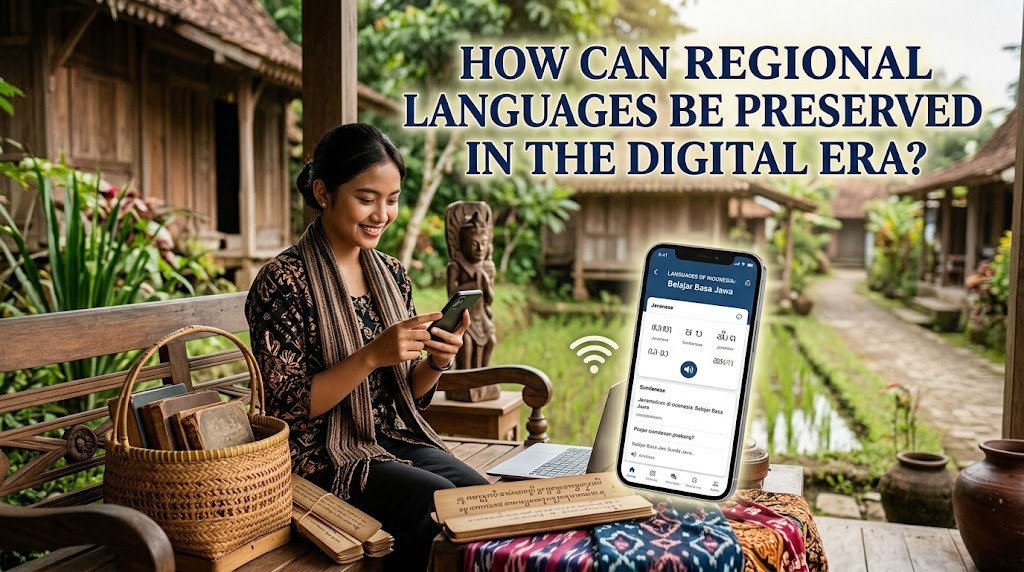
Regional languages are an important part of cultural identity and communication in many communities. In Indonesia, these languages preserve traditional knowledge, local values, stories, and customs passed down through generations. However, the growing use of Indonesian and foreign languages in digital communication can reduce opportunities for people to use their regional languages. The digital era also provides new ways to introduce these languages to younger generations through technology and online learning. By using digital tools effectively, regional languages can remain relevant, accessible, and meaningful in modern society.
WHY IS IT IMPORTANT TO PRESERVE REGIONAL LANGUAGES IN THE DIGITAL ERA?
Regional languages represent the cultural identity and history of the communities that speak them. They contain unique expressions, traditional stories, proverbs, and knowledge that reflect local experiences and values. When a regional language is no longer used, future generations may lose access to important parts of their cultural heritage. Language preservation helps maintain connections between younger people and their ancestors. It also supports linguistic diversity, which allows different communities to express their experiences and understand the world in their own ways.
The digital era creates both opportunities and challenges for language preservation. Many people spend time using social media, watching online videos, and communicating through digital platforms. If regional languages are rarely used in these spaces, young people may become more familiar with other languages. However, digital technology can help regional languages reach wider audiences and become part of everyday online communication. Preserving regional languages digitally can connect traditional culture with modern lifestyles and encourage younger generations to appreciate their linguistic heritage.
HOW CAN SOCIAL MEDIA HELP PRESERVE REGIONAL LANGUAGES?
Social media platforms such as YouTube, Instagram, TikTok, and Facebook can help promote regional languages through entertaining and educational content. Content creators can publish short videos featuring everyday conversations, local expressions, traditional stories, and pronunciation lessons. These videos can introduce regional languages to people who have never learned them before. Using subtitles in Indonesian or English can make the content easier to understand for wider audiences. As a result, social media can turn regional language learning into an engaging and accessible activity.
Young people can also use regional languages in captions, comments, podcasts, and online discussions. For example, creators can explain the meaning of traditional expressions or demonstrate how certain words are used in daily conversations. Community members can participate by sharing stories, correcting vocabulary, and contributing regional expressions from their areas. Consistent and accurate content can increase the visibility of languages that receive little attention online. However, creators should consult fluent speakers when necessary to ensure that the language is presented correctly and respectfully.
HOW CAN DIGITAL DICTIONARIES AND LEARNING APPLICATIONS SUPPORT LANGUAGE LEARNING?
Digital dictionaries help people discover the meanings, pronunciation, and usage of regional words. Unlike printed dictionaries, online resources can be updated more easily and accessed through smartphones or computers. Some digital dictionaries also include example sentences, audio recordings, and translations into Indonesian or other languages. These features help learners understand not only individual words but also how to use them in appropriate contexts. Digital dictionaries are particularly useful for students, researchers, teachers, and people who want to reconnect with their ancestral languages.
Language-learning applications can make the learning process more interactive through quizzes, vocabulary exercises, listening activities, and short conversations. Beginners can start with greetings, numbers, family terms, and common expressions before moving to more complex sentences. Audio recordings from native speakers can help learners understand pronunciation and differences between local varieties. Developers should work with language experts and community members to ensure that the learning materials are accurate. Accessible and reliable digital resources can make regional language learning easier for people of different ages and backgrounds.
HOW CAN DIGITAL TECHNOLOGY DOCUMENT ENDANGERED REGIONAL LANGUAGES?
Some regional languages face a serious risk of disappearing because fewer people speak them regularly. Digital documentation can help preserve these languages by recording conversations, traditional songs, oral histories, folktales, and interviews with fluent speakers. Researchers and community members can organize these materials into digital archives containing audio, video, photographs, and written transcripts. Such archives provide valuable references for education, cultural research, and future language revitalization projects. Recording a language while fluent speakers are still available can help protect knowledge that might otherwise be lost.
Language documentation should be conducted carefully and respectfully. Communities need to provide appropriate consent before recordings or personal stories are shared publicly. Some cultural knowledge may be private or restricted to particular community members, so not every recording should automatically be made available online. Digital files should also have clear descriptions, reliable backups, and appropriate access arrangements. By combining technology with ethical practices, researchers and communities can preserve regional languages while respecting the rights and traditions of their speakers.
WHAT ROLE DO FAMILIES SCHOOLS AND GOVERNMENTS PLAY IN DIGITAL LANGUAGE PRESERVATION?
Families are essential because children often learn their first languages through daily conversations at home. Parents can use regional languages when telling stories, singing traditional songs, or discussing everyday activities. They can also watch regional-language videos with their children and explain unfamiliar expressions. These simple activities help children connect digital learning with real communication. Regular use at home remains one of the strongest ways to pass a regional language from one generation to the next.
Schools can integrate regional languages into lessons, cultural projects, storytelling activities, and digital assignments. Students might create short videos, online dictionaries, podcasts, or presentations about the languages spoken in their communities. Governments and cultural institutions can support these efforts by funding documentation projects, developing educational resources, and collaborating with universities and local language experts. They can also encourage the creation of digital content for languages that have limited learning materials. Successful preservation requires cooperation between families, educators, technology developers, researchers, and local communities so that regional languages remain both digitally visible and actively spoken.
CONCLUSION
Regional languages can be preserved in the digital era through social media, digital dictionaries, learning applications, online archives, and educational programs. These tools make language resources easier to access and help younger generations learn about their cultural heritage. However, technology alone cannot guarantee the survival of a language. Regional languages must also be used in families, schools, community activities, and everyday conversations. Combining digital innovation with active language use and community participation offers a practical way to protect linguistic diversity and pass regional languages on to future generations.
Recent Posts

Bagaimana Sistem SKS pada Program Kuliah... 22.11.2026/48 View

How Does Technology Make Daily Evaluation... 21.11.2026/76 View

Apa Strategi Menghadapi Kesenjangan antara Kompetensi... 21.11.2026/78 View

Mengapa Inventaris Aset Penting bagi Kelancaran... 21.11.2026/73 View

When Should Musicians Join a Record... 21.11.2026/78 View
