

How Can Saving Electricity Reduce Greenhouse Gas Emissions?
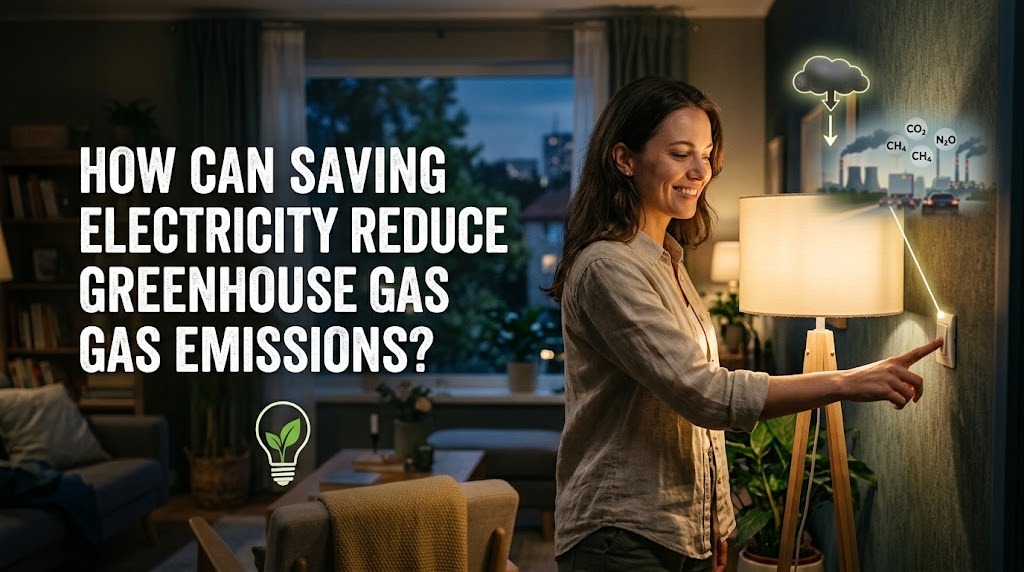
Electricity is essential for daily activities, including lighting homes, operating appliances, using computers, and running industrial equipment. However, producing electricity can generate greenhouse gas emissions when power plants burn fossil fuels such as coal, oil, and natural gas. These gases trap heat in the atmosphere and contribute to global warming.
Saving electricity is a practical way to reduce unnecessary energy demand and potentially lower emissions associated with electricity generation. Although the environmental benefits depend on the energy sources used in a particular area, reducing wasteful consumption can support energy efficiency and environmental protection. Understanding how electricity use affects emissions can help households, schools, businesses, and communities make more responsible energy choices.
REDUCING ELECTRICITY DEMAND CAN LOWER POWER GENERATION EMISSIONS
One important way saving electricity reduces greenhouse gas emissions is by lowering the amount of energy that power systems need to supply. When electricity demand decreases, power plants may need to generate less electricity, which can reduce fuel consumption and associated emissions. The effect is especially relevant in electricity systems that rely heavily on coal and other fossil fuels.
The actual emissions reduction depends on how the electricity system responds to lower demand. Some power plants may reduce output more than others, while electricity generated from renewable sources generally produces fewer operational emissions. Even so, avoiding unnecessary electricity use helps improve overall energy efficiency. When many households and businesses adopt efficient habits, their combined actions can support lower-carbon electricity consumption.
SWITCHING OFF UNUSED LIGHTS AND ELECTRICAL APPLIANCES
Leaving lights and appliances running unnecessarily can increase electricity consumption. For example, lights in empty rooms, televisions that nobody is watching, and computers left operating without a clear purpose may use energy that provides little benefit. Reducing this waste is a simple way to practice energy conservation.
People can switch off lights when leaving a room and turn off appliances when they are no longer needed. Devices that continue using standby power may also contribute to electricity consumption, although the amount varies by product. Using power-saving settings and disconnecting suitable devices when appropriate can help reduce unnecessary demand. These habits are easy to introduce at home, at school, and in the workplace, especially when everyone understands their purpose.
USING ENERGY-EFFICIENT APPLIANCES AND LIGHTING
Energy-efficient appliances can provide the same or similar services while using less electricity than less-efficient alternatives. For example, LED bulbs generally consume less electricity than traditional incandescent bulbs while providing comparable lighting. Efficient refrigerators, air conditioners, washing machines, and other equipment can also help reduce household energy use.
When purchasing new appliances, consumers can compare energy labels, efficiency ratings, and expected electricity consumption. Maintaining equipment properly is also important because dirty filters, poor ventilation, or neglected maintenance can reduce efficiency in some appliances. Replacing an appliance before it is necessary does not always provide an overall environmental benefit, since manufacturing new equipment also requires resources. A thoughtful approach to energy-efficient technology considers both electricity savings and the useful life of existing products.
USING AIR CONDITIONING AND ELECTRONIC DEVICES MORE WISELY
Air conditioning can account for a substantial share of electricity use in hot climates. Setting the temperature at a reasonable level, cleaning filters, closing doors and windows while cooling a room, and using fans when appropriate can help reduce energy demand. Shading windows and improving ventilation may also make indoor spaces more comfortable without relying entirely on air conditioning.
Electronic devices such as computers, televisions, and gaming systems can also consume significant amounts of electricity depending on their power ratings and usage time. Enabling sleep settings, lowering screen brightness when suitable, and turning off devices that are not needed can reduce consumption. These actions do not require people to stop using essential technology. Instead, smart electricity use focuses on obtaining the necessary benefits while avoiding unnecessary energy waste.
SUPPORTING RENEWABLE ENERGY AND MONITORING ELECTRICITY USE
Saving electricity can be even more effective when combined with a transition toward renewable energy, such as solar and wind power. These sources generally produce electricity with much lower operational greenhouse gas emissions than fossil fuel power plants. Households and businesses can explore renewable electricity options where they are available and practical, while governments and energy providers can invest in cleaner electricity systems.
Monitoring electricity use can also help people understand where energy is being wasted. Reviewing utility bills, using suitable energy-monitoring devices, or recording monthly consumption can reveal patterns and opportunities for improvement. Schools and workplaces can establish energy-saving practices and evaluate whether their efforts reduce electricity use over time. By combining efficiency with cleaner energy sources, communities can strengthen their contribution to greenhouse gas reduction.
CONCLUSION
Saving electricity can reduce greenhouse gas emissions by lowering unnecessary energy demand and reducing the amount of electricity that may need to be generated from fossil fuels. Switching off unused appliances, choosing energy-efficient equipment, using air conditioning wisely, and monitoring electricity consumption are practical ways to improve energy efficiency.
However, the amount of emissions avoided depends on the electricity source and how power generation responds to changes in demand. For greater climate benefits, electricity conservation should be combined with renewable energy development and broader efforts to reduce fossil fuel use. Consistent energy-saving habits can help households, schools, businesses, and communities contribute to climate change mitigation.
Recent Posts

Bagaimana Sistem SKS pada Program Kuliah... 22.11.2026/49 View

How Does Technology Make Daily Evaluation... 21.11.2026/77 View

Apa Strategi Menghadapi Kesenjangan antara Kompetensi... 21.11.2026/78 View

Mengapa Inventaris Aset Penting bagi Kelancaran... 21.11.2026/74 View

When Should Musicians Join a Record... 21.11.2026/79 View
