

How Can School Health Programs Help Prevent the Spread of Infectious Diseases?
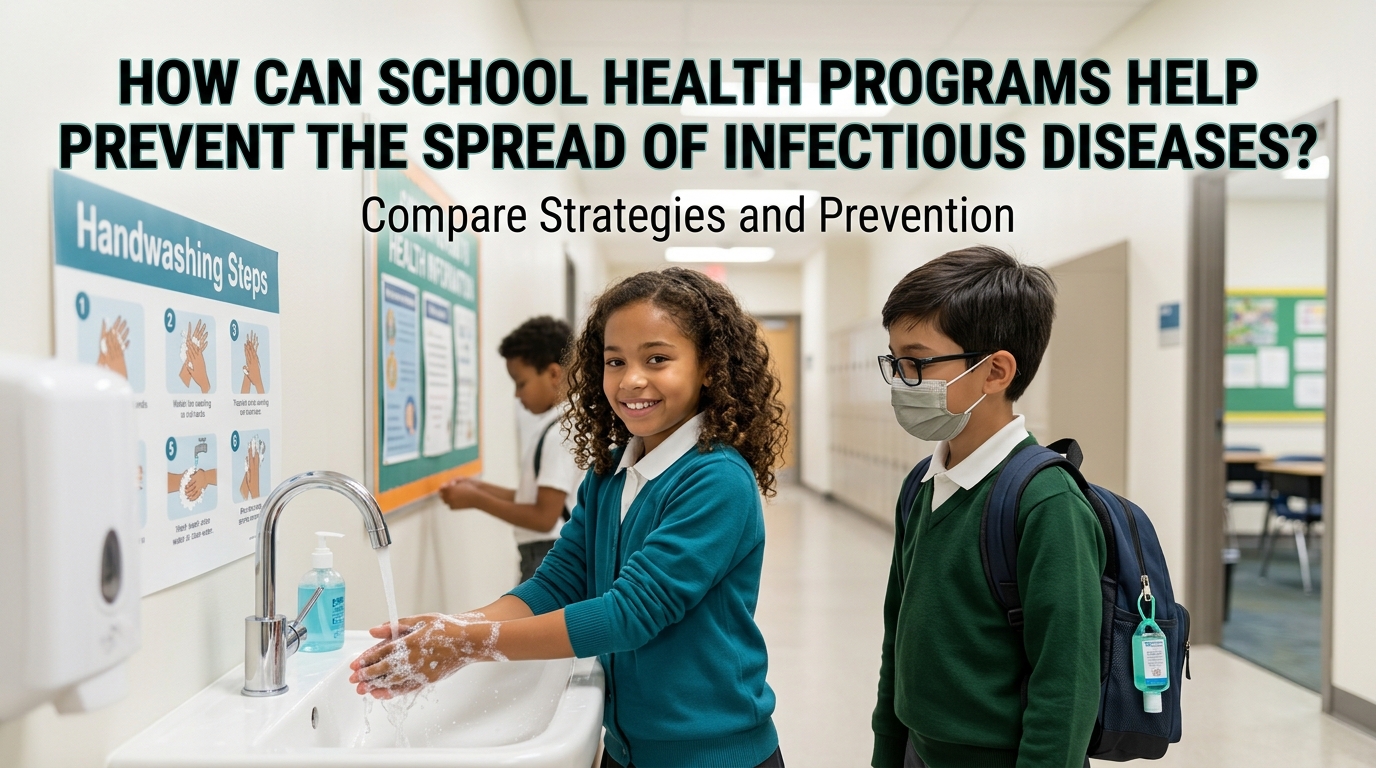
Schools are important environments for children's education, social development, and personal growth. However, because many students interact closely every day, schools can also become places where infectious diseases spread easily. Common illnesses such as influenza, the common cold, diarrhea, and other infections can affect students' health and disrupt learning activities. This is why school health programs play an important role in preventing disease transmission and maintaining a safe learning environment. Through health education, proper sanitation, regular monitoring, and cooperation with healthcare professionals, schools can help students develop healthy habits and reduce the risk of infectious diseases.
1. PROVIDING HEALTH EDUCATION ABOUT INFECTIOUS DISEASES
Health education is one of the most important parts of school health programs. Students need to understand how infectious diseases spread, what symptoms they may cause, and how to protect themselves from infection. Teachers and healthcare professionals can explain common transmission methods, such as respiratory droplets, contaminated food and water, direct contact, and unclean surfaces. This knowledge helps students recognize situations that may increase their risk of becoming sick. With appropriate information, students can make better decisions to protect their health and the people around them.
Schools can deliver health education through classroom lessons, posters, group discussions, and practical demonstrations. Students should learn simple preventive habits, including washing their hands, covering their mouths when coughing, and avoiding sharing personal items. These activities make health information easier to understand and apply in everyday life. Early health education also encourages children to take responsibility for their personal hygiene and develop healthy habits that can continue into adulthood.
2. PROMOTING REGULAR HANDWASHING HABITS
Handwashing is a simple but effective way to reduce the spread of many infectious diseases. Students frequently touch desks, door handles, books, sports equipment, and other shared objects that may carry germs. If they touch their eyes, nose, or mouth with unwashed hands, some germs can enter their bodies and cause infections. Therefore, school health programs should encourage students to wash their hands regularly. This habit is particularly important before eating, after using the toilet, after playing outside, and whenever their hands are visibly dirty.
Schools should provide clean water, soap, and accessible handwashing stations in suitable locations. Teachers can demonstrate the correct handwashing technique and remind students to clean all parts of their hands, including their palms, fingers, thumbs, and fingertips. Students should also be encouraged to wash their hands for at least 20 seconds with soap and clean running water. Consistent practice can help reduce the transmission of germs and improve hygiene awareness throughout the school community.
3. MAINTAINING CLEAN AND HEALTHY SCHOOL ENVIRONMENTS
A clean school environment is essential for reducing the risk of infectious diseases. Classrooms, toilets, cafeterias, libraries, and other shared spaces should be maintained regularly to prevent the accumulation of dirt and potential sources of infection. Schools need to establish cleaning schedules for frequently touched surfaces, such as desks, door handles, switches, and shared equipment. Proper waste disposal is also important to prevent unpleasant conditions and reduce the presence of pests. These measures help create a safer and more comfortable environment for students and teachers.
In addition, schools should ensure that toilets and sanitation facilities remain clean and functional. Adequate ventilation is also important because it helps improve indoor air circulation and reduce the concentration of airborne infectious particles. Schools should open windows when appropriate and maintain ventilation systems properly. Good sanitation and environmental hygiene can support disease prevention while encouraging students to take part in maintaining cleanliness.
4. IDENTIFYING SYMPTOMS AND MONITORING STUDENTS' HEALTH
Early identification of infectious disease symptoms helps schools respond before illnesses spread further. Students who experience fever, coughing, sneezing, vomiting, diarrhea, or unusual fatigue should receive appropriate attention. Teachers and school health staff can observe students' conditions and provide initial assistance when necessary. Schools should also establish clear procedures for reporting health concerns to parents or guardians. This approach makes it easier to recognize possible health problems and take suitable preventive measures.
When students show symptoms of a potentially contagious illness, schools should arrange appropriate care and avoid unnecessary close contact with others. Depending on the student's condition, parents may be asked to take the child home or seek medical advice. Students should return to school when they are well enough and follow applicable public health or healthcare guidance. Early detection and appropriate responses can help reduce the risk of transmission while protecting the well-being of the entire school community.
5. PROVIDING IMMUNIZATION AND HEALTH SCREENING PROGRAMS
Immunization is an important public health measure that helps protect children from certain infectious diseases. Schools can cooperate with local healthcare centers to provide information about recommended vaccines and support vaccination activities when appropriate. Vaccines help the immune system recognize and fight specific disease-causing organisms, reducing the risk of infection and serious complications. They can also contribute to community protection when vaccination coverage is sufficiently high. However, vaccination schedules and eligibility should follow official healthcare recommendations.
Health screening is another useful activity within school health programs. Basic health checks can help identify students who may need further medical evaluation. Healthcare professionals can provide guidance about nutrition, hygiene, growth, and other health concerns. Through cooperation with parents and healthcare facilities, schools can help students receive appropriate follow-up care. These programs support early prevention and better health protection among school-age children.
6. TEACHING RESPIRATORY HYGIENE AND COUGH ETIQUETTE
Respiratory infections can spread through infectious particles released when an infected person coughs, sneezes, talks, or breathes. Since students often spend time together in classrooms and other indoor spaces, teaching respiratory hygiene is essential. Schools should encourage students to cover their mouths and noses with a tissue or their bent elbow when coughing or sneezing. Used tissues should be thrown into a waste bin immediately, followed by proper handwashing. These practices help reduce the release and spread of respiratory germs.
Schools should also remind students to avoid sharing personal items such as drinking bottles, towels, and eating utensils. Proper ventilation and staying home when sick are additional measures that can reduce transmission. Teachers can reinforce these habits through daily reminders and practical examples. By understanding respiratory hygiene, students can help protect themselves, their classmates, and their families from infectious diseases.
7. ENCOURAGING STUDENTS TO STAY HOME WHEN SICK
Attending school while experiencing a contagious illness can increase the risk of infecting classmates and teachers. Some students may continue attending classes because they do not want to miss lessons or school activities. However, resting at home when sick is important for recovery and disease prevention. Schools should establish clear illness policies that encourage students with contagious symptoms to stay home when necessary. Parents should also be informed about the importance of monitoring their children's health before sending them to school.
Teachers can support students who need to stay home by providing learning materials or assignments that help them keep up with lessons. Schools should avoid creating unnecessary pressure for students to attend while unwell. Return-to-school decisions should consider the student's condition and relevant medical or public health guidance. Staying home when contagious is a responsible action that helps protect the wider school community.
8. STRENGTHENING COOPERATION BETWEEN SCHOOLS AND HEALTHCARE FACILITIES
Preventing infectious diseases requires cooperation between schools, parents, and healthcare professionals. School health units can work with community health centers to organize health education, immunization activities, and basic health monitoring. Healthcare professionals can also provide accurate information about disease prevention and appropriate responses to outbreaks. This cooperation helps schools make better decisions when dealing with health concerns. It also ensures that students can access professional medical assistance when necessary.
Parents play an equally important role by monitoring their children's health and supporting healthy habits at home. Schools should maintain clear communication with families when infectious diseases are suspected or identified. They can also coordinate with local health authorities when several students develop similar symptoms or when an outbreak is suspected. Strong cooperation and effective communication help schools respond more quickly and reduce the potential spread of infectious diseases.
9. BUILDING A HEALTHY LIFESTYLE TO SUPPORT IMMUNITY
A healthy lifestyle supports children's overall health and helps their bodies function properly. School health programs can encourage students to consume balanced meals, drink enough water, participate in regular physical activity, and get sufficient sleep. Nutritious foods provide essential vitamins and minerals that support normal immune system function. Physical activity also contributes to physical fitness and general well-being. These habits are important for maintaining good health throughout childhood and adolescence.
Schools can promote healthy lifestyles through nutrition education, sports activities, and healthy food options in cafeterias. Students should also learn the importance of maintaining a balanced daily routine and avoiding unhealthy habits. However, a healthy lifestyle does not guarantee protection against infectious diseases. It should be combined with vaccination, hygiene practices, sanitation, and other appropriate preventive measures. By building healthy routines, students can improve their overall well-being and become more aware of disease prevention.
CONCLUSION
School health programs play an essential role in preventing the spread of infectious diseases among students. Through health education, regular handwashing, proper sanitation, health monitoring, immunization support, and respiratory hygiene, schools can reduce the risk of disease transmission. Cooperation between teachers, parents, healthcare professionals, and students is also necessary to maintain a safe learning environment. These efforts should be carried out consistently so that healthy habits become part of students' daily routines. Ultimately, effective school health programs protect students' well-being, support better learning activities, and help create healthier communities.
Recent Posts

Bagaimana Sistem SKS pada Program Kuliah... 22.11.2026/35 View

How Does Technology Make Daily Evaluation... 21.11.2026/69 View

Apa Strategi Menghadapi Kesenjangan antara Kompetensi... 21.11.2026/70 View

Mengapa Inventaris Aset Penting bagi Kelancaran... 21.11.2026/67 View

When Should Musicians Join a Record... 21.11.2026/69 View
