

How Can School Health Units Create a Safer and Healthier Learning Environment?
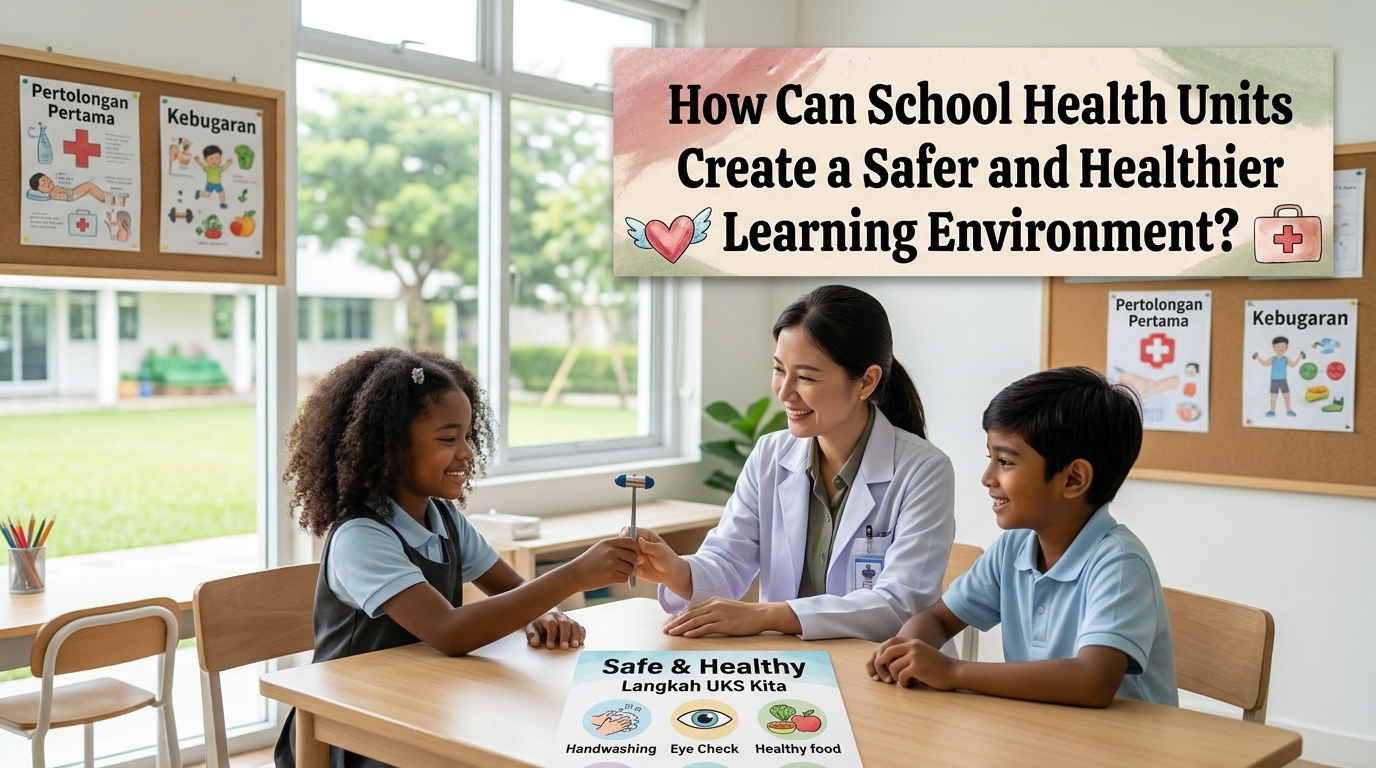
A safe and healthy learning environment is essential for supporting students' physical, mental, and social development. Schools are not only places where children gain academic knowledge but also environments where they develop habits, interact with others, and learn how to take care of themselves. However, students may face various health risks at school, including minor injuries, infectious diseases, poor sanitation, and emotional difficulties. Therefore, schools need effective health services and preventive measures to protect students during their daily activities.
One important way to achieve this goal is through the School Health Unit (SHU). A School Health Unit provides basic health services, promotes healthy behaviors, supports disease prevention, and helps schools respond to students' health needs. Through proper management and cooperation with teachers, parents, and healthcare professionals, the School Health Unit can contribute to creating a safer and healthier learning environment. Understanding its role is important for ensuring that students can learn comfortably and develop in a supportive school community.
1. PROVIDING BASIC HEALTH SERVICES FOR STUDENTS
One of the main functions of a School Health Unit is to provide basic health services for students during school hours. Students may experience headaches, stomachaches, dizziness, minor injuries, or other health complaints while participating in school activities. Having an accessible health unit allows students to receive initial assistance without immediately leaving the school environment. This service also helps teachers respond more appropriately when students experience health problems.
A properly managed School Health Unit should have basic first aid supplies, appropriate equipment, and clear procedures for handling common health complaints. Students who require further medical attention should be referred to qualified healthcare professionals or nearby health facilities. Schools must also ensure that staff members understand the limits of basic school healthcare services. With appropriate preparation, the School Health Unit can provide timely assistance and improve student safety.
2. PREVENTING THE SPREAD OF INFECTIOUS DISEASES
Preventing infectious diseases is another important responsibility of school health services. Schools bring together many students who interact closely, share facilities, and participate in group activities. These conditions can increase the possibility of disease transmission, particularly when personal hygiene and sanitation are neglected. A School Health Unit can help reduce these risks by promoting preventive behaviors and providing reliable health information.
For example, students can be educated about proper handwashing, respiratory hygiene, safe food consumption, and the importance of keeping their surroundings clean. The unit can also coordinate with teachers and healthcare professionals when there are concerns about infectious diseases. Students who develop symptoms of potentially contagious illnesses should receive appropriate guidance and referral when necessary. These preventive efforts help create a healthier school environment and protect the wider school community.
3. PROMOTING PERSONAL HYGIENE AND HEALTHY LIFESTYLES
A School Health Unit can help students develop positive habits by providing regular education about personal hygiene and healthy lifestyles. Many health problems can be prevented through simple daily practices, such as washing hands with soap, brushing teeth, maintaining clean clothing, and eating nutritious food. However, children may need continuous guidance to understand the importance of these behaviors. Health education helps students recognize how their daily choices influence their physical well-being.
Schools can organize hygiene demonstrations, nutrition campaigns, physical activity programs, and educational discussions. The School Health Unit can work with teachers to integrate these messages into classroom routines and extracurricular activities. Students can also be encouraged to participate in school cleanliness programs and other health-related initiatives. Through consistent education and practice, children can develop healthy habits that support their well-being both inside and outside school.
4. ENSURING A CLEAN AND SAFE SCHOOL ENVIRONMENT
A clean and safe physical environment is an important requirement for effective learning. Dirty classrooms, poorly maintained toilets, standing water, and unmanaged waste can create health risks for students. These conditions may encourage the spread of germs, attract disease-carrying pests, and increase the possibility of accidents. Therefore, maintaining school cleanliness should become part of the school's overall health strategy.
The School Health Unit can work with school administrators and cleaning staff to monitor environmental hygiene. Regular inspections should cover classrooms, toilets, handwashing facilities, school canteens, playgrounds, and waste disposal areas. Any problems, such as damaged facilities, slippery floors, or inadequate sanitation, should be reported and addressed promptly. By supporting proper school sanitation and environmental hygiene, the School Health Unit helps create a safer place for students to learn and participate in daily activities.
5. PROVIDING FIRST AID AND EMERGENCY RESPONSE
Accidents and unexpected health problems can occur at any time during school activities. Students may experience falls, cuts, bruises, nosebleeds, or sudden illnesses while studying, playing sports, or participating in extracurricular programs. For this reason, every school needs clear first aid procedures and an appropriate emergency response system. A School Health Unit can serve as an important part of this system.
The unit should have accessible first aid supplies and staff members who understand basic emergency procedures. Teachers and relevant school personnel should also receive appropriate training so they can provide initial assistance when necessary. Schools need clear procedures for contacting parents, arranging emergency transportation, and referring students to medical facilities. Importantly, serious conditions should never be managed only through basic school first aid. Proper preparation helps ensure that students receive timely and appropriate medical assistance when emergencies occur.
6. SUPPORTING STUDENTS' MENTAL AND EMOTIONAL HEALTH
A healthy learning environment should address more than physical health. Students may experience stress, anxiety, bullying, social difficulties, or emotional challenges that affect their school experiences. If these problems are not recognized and addressed appropriately, they can influence students' concentration, relationships, and academic participation. Therefore, school health services should also support mental and emotional well-being.
The School Health Unit can contribute by providing health information, recognizing signs that a student may need additional support, and helping connect students with appropriate professionals. Schools should establish safe communication channels where students can express concerns without fear of judgment. Teachers and school staff can also receive training to recognize warning signs and follow appropriate referral procedures. Although a School Health Unit does not replace professional mental health services, it can play an important role in promoting mental health awareness and early support.
7. PROVIDING HEALTH EDUCATION AND AWARENESS ACTIVITIES
Health education helps students understand how to prevent illnesses and make responsible decisions about their health. The School Health Unit can organize educational activities that introduce important topics in simple and practical ways. These topics may include personal hygiene, balanced nutrition, physical fitness, dental health, environmental cleanliness, and disease prevention. Regular education allows students to develop health knowledge gradually.
To increase participation, schools can use interactive methods such as quizzes, group discussions, demonstrations, posters, and health campaigns. Healthcare professionals can also be invited to provide accurate information about specific health topics. Students may be encouraged to become health ambassadors who share positive messages with their classmates. These activities help establish a health-conscious school community where students understand the importance of maintaining their health.
8. CONDUCTING ROUTINE HEALTH MONITORING AND EARLY DETECTION
Routine health monitoring can help schools recognize potential health concerns among students at an early stage. Some problems, such as vision difficulties, hearing concerns, nutritional issues, or dental problems, may affect children's learning without being immediately noticed. Appropriate health assessments can help identify students who may benefit from further examination or professional care.
The School Health Unit can coordinate health monitoring activities with qualified healthcare professionals and local health centers. Depending on available resources and applicable health guidelines, these activities may include growth monitoring, vision and hearing screening, dental checks, and other relevant assessments. Student health information must be handled confidentially and shared only with authorized individuals when necessary. Early identification and proper referral can help students receive appropriate care before certain health problems interfere further with their daily activities.
9. STRENGTHENING COOPERATION WITH PARENTS AND HEALTHCARE PROFESSIONALS
The success of a School Health Unit depends on cooperation between different members of the school community. School administrators, teachers, parents, healthcare professionals, and local health institutions all have important responsibilities in supporting student health. Without effective communication, health services may become less organized and students may not receive consistent support.
Schools can strengthen cooperation by organizing parent meetings, coordinating with nearby community health centers, and inviting healthcare professionals to participate in educational activities. Parents should be informed about relevant health concerns, school health programs, and referrals when their children need further care. Healthcare professionals can provide technical guidance, conduct appropriate examinations, and support health education activities. Through strong partnerships, schools can improve the quality of health services and create a more comprehensive support system for students.
10. DEVELOPING EFFECTIVE HEALTH PROGRAM MANAGEMENT AND EVALUATION
A School Health Unit needs proper management to ensure that its activities are carried out consistently and effectively. Without clear responsibilities, sufficient resources, and regular monitoring, health services may become irregular or fail to address students' actual needs. Therefore, schools should develop structured plans that define the unit's activities, available facilities, personnel responsibilities, and service procedures.
Regular evaluation is also necessary to measure program effectiveness and identify areas that require improvement. Schools can review health activity records, student participation, facility conditions, and feedback from teachers, parents, and healthcare professionals. The results can be used to improve future programs and allocate resources more effectively. Consistent management and evaluation help ensure that the School Health Unit remains relevant, accessible, and beneficial to the entire school community.
PRACTICAL WAYS TO STRENGTHEN SCHOOL HEALTH UNITS
To create a safer and healthier learning environment, schools need to ensure that their School Health Units are supported by adequate resources and consistent activities. The following strategies can help improve the quality of school health services:
- Improve Health Facilities: Provide a clean health room, basic first aid supplies, and appropriate equipment.
- Train School Personnel: Give teachers and responsible staff members basic first aid and emergency response training.
- Promote Health Education: Organize regular campaigns about hygiene, nutrition, physical activity, and disease prevention.
- Maintain Environmental Cleanliness: Monitor classrooms, toilets, canteens, playgrounds, and waste disposal facilities.
- Strengthen Health Partnerships: Collaborate with parents, community health centers, hospitals, and healthcare professionals.
- Conduct Routine Monitoring: Coordinate appropriate student health screenings and ensure proper referral procedures.
- Support Mental Well-Being: Promote a safe school atmosphere and provide access to appropriate counseling or professional support.
- Evaluate Program Performance: Review activities regularly and improve services based on student needs and available resources.
These strategies should be adapted to each school's conditions, resources, and student population. The most important factor is ensuring that health activities are implemented continuously rather than only during special events.
CONCLUSION
School Health Units play an important role in creating a safer and healthier learning environment by providing basic health services, preventing diseases, promoting personal hygiene, and supporting students' physical and mental well-being. They also contribute to emergency preparedness, health education, routine health monitoring, and cooperation between schools, families, and healthcare professionals.
However, their effectiveness depends on proper management, adequate facilities, trained personnel, and continuous evaluation. A successful School Health Unit is not only a place where students receive basic health assistance but also an important part of a school's preventive health and education system. Through consistent implementation and strong cooperation, schools can provide a healthier environment where students feel safe, develop positive habits, and participate in learning activities more comfortably.
Recent Posts

Bagaimana Sistem SKS pada Program Kuliah... 22.11.2026/35 View

How Does Technology Make Daily Evaluation... 21.11.2026/69 View

Apa Strategi Menghadapi Kesenjangan antara Kompetensi... 21.11.2026/69 View

Mengapa Inventaris Aset Penting bagi Kelancaran... 21.11.2026/67 View

When Should Musicians Join a Record... 21.11.2026/68 View
