

How Can School Zoning Help Reduce Students' Transportation Costs?
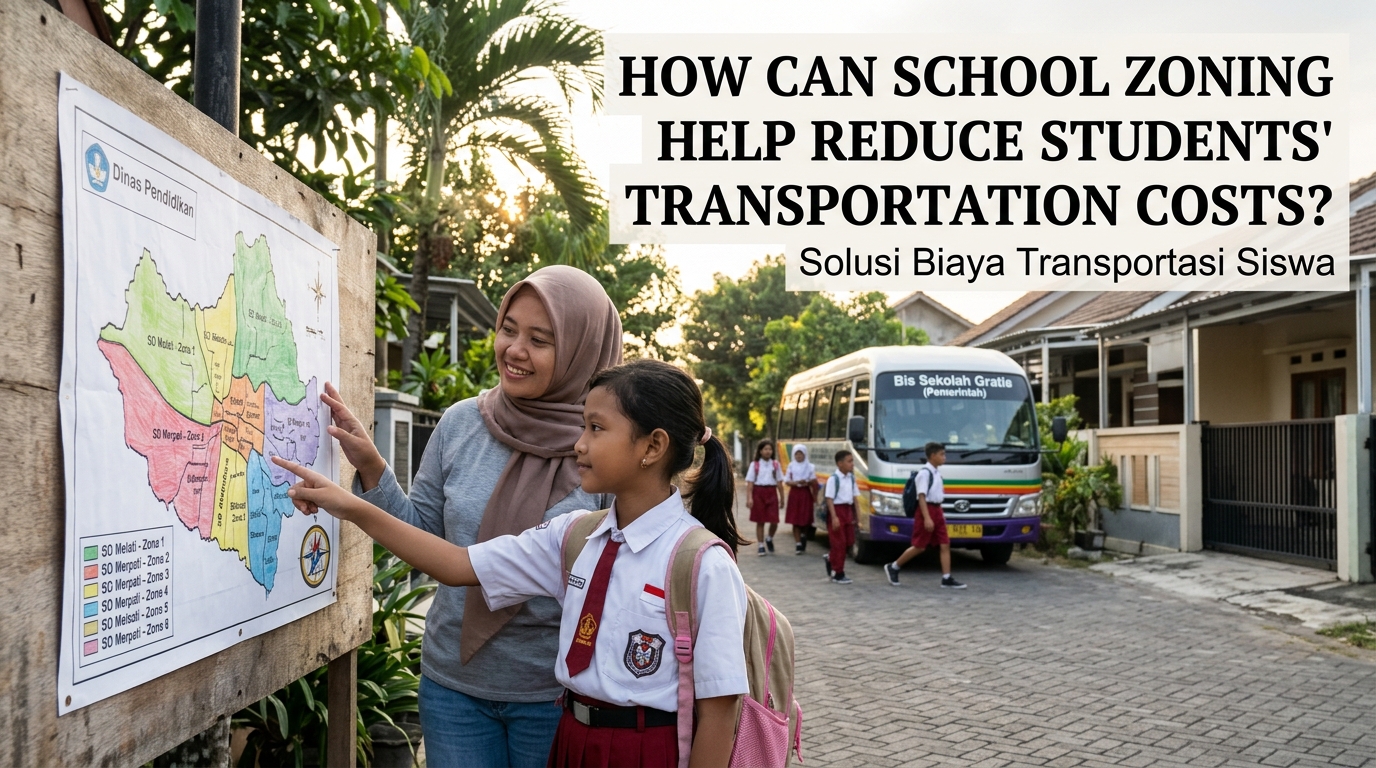
Transportation is an important part of a student's daily school routine. For many families, traveling to school creates regular expenses, including fuel, public transportation fares, parking fees, and vehicle maintenance. School zoning can help reduce these costs by encouraging students to attend schools closer to their homes, depending on the applicable admission rules. Shorter journeys may also save time and make daily travel more convenient. Although zoning cannot eliminate every transportation expense, it can help families manage their education budgets more effectively.
REDUCING DAILY TRAVEL DISTANCES
One of the main ways school zoning can reduce transportation costs is by shortening the distance students travel each day. When students have an opportunity to attend a nearby school, families may spend less money on fuel or public transportation. Shorter journeys can also reduce the need for frequent vehicle use. Over time, these savings may make a meaningful difference to household expenses. Choosing a nearby school can help families lower their regular commuting costs without necessarily changing other education-related spending.
However, the nearest school is not always the school a student will attend. Admission depends on the official selection criteria, school capacity, and the requirements in the relevant area. Some students may still need to travel farther because nearby schools cannot accommodate all applicants. For this reason, the actual savings depend on the distance traveled before and after enrollment. Reduced travel distance can lower costs, but the amount saved varies from family to family.
SAVING MONEY ON FUEL AND PUBLIC TRANSPORTATION
Families who drive students to school often spend money on fuel several times a week. A shorter journey may reduce fuel consumption and, in some cases, the frequency of refueling. Families who use buses, minibuses, or other public transportation may also spend less if a nearby school requires fewer or shorter trips. These savings can be especially helpful for households managing several school-related expenses. Lower transportation spending may leave more money available for books, uniforms, meals, and other educational needs.
The exact savings depend on local transportation options and travel habits. Some families may continue using motorbikes or cars even when the school is nearby, while others may be able to walk or cycle safely. Public transportation fares may also depend on fixed routes rather than distance alone. Parents should consider both cost and safety when choosing how their children travel. School zoning creates the potential for savings, but it does not guarantee that every family will pay less.
REDUCING VEHICLE MAINTENANCE EXPENSES
Longer school journeys can contribute to vehicle wear and tear over time. Frequent travel may increase the need for fuel, tire replacement, oil changes, and other routine maintenance. If a student attends a school closer to home, the family may use its vehicle for fewer kilometers each day. This can help reduce some travel-related maintenance costs in the long term. Less driving may mean lower vehicle operating expenses, although actual results depend on the vehicle and how often it is used.
Families should not expect every maintenance expense to disappear simply because the school is nearby. Vehicles still require regular servicing, and other daily activities may involve substantial travel. However, reducing unnecessary commuting can contribute to better overall transportation budgeting. Parents can compare their usual travel distance and expenses to understand whether a nearby school would make a difference. Small recurring savings may become more noticeable over a full school year.
ENCOURAGING WALKING AND CYCLING WHEN SAFE
When students live within a reasonable distance of school, walking or cycling may be practical alternatives to motorized transportation. These options can reduce spending on fuel and public transportation fares. Walking and cycling can also support regular physical activity when the route and conditions are suitable. However, families must consider road safety, traffic conditions, weather, lighting, and the student's age. Safety should always come before transportation savings.
Not every neighborhood has safe sidewalks, bicycle lanes, or suitable crossings. Some students may have disabilities or other needs that make walking or cycling difficult, while others may live too far away. Local governments can support safer travel by improving sidewalks, crossings, bicycle facilities, and school-zone traffic management. Schools can also provide families with clear information about safe travel options. Accessible and safe routes help make the potential benefits of nearby schooling available to more students.
SAVING TIME FOR STUDENTS AND PARENTS
School zoning may also reduce the time families spend traveling to and from school. Shorter journeys can make daily schedules easier to manage, especially for parents who accompany younger children. Less time on the road may also reduce the need for families to arrange additional transportation or childcare around school schedules. Students may have more time for homework, rest, and extracurricular activities. Time savings are another valuable benefit of reducing school commuting distances.
Although time saved does not directly reduce every household bill, it can make daily routines more efficient. Parents may find it easier to coordinate school travel with work and other responsibilities. Students who have shorter commutes may also experience less travel-related fatigue. However, actual benefits depend on traffic, school schedules, and the available routes. A shorter commute can improve convenience as well as reduce some travel expenses.
SUPPORTING FAMILIES WITH LIMITED INCOME
Transportation costs can place a greater burden on families with limited financial resources. Regular fares or fuel expenses may compete with other essential needs, including food, school supplies, and healthcare. By improving access to nearby schools, zoning may help reduce some of these recurring costs. This can make attending school more manageable for households that have limited transportation budgets. Affordable access to education is an important consideration when designing school admission policies.
Nevertheless, nearby school placement does not remove every financial barrier to education. Families may still need to pay for uniforms, learning materials, meals, or other school-related expenses. Some students may also require transportation support because of distance, disability, or unsafe routes. Governments and schools can consider additional measures, such as appropriate transport assistance or safer walking infrastructure, where needed. Combining school zoning with targeted support can help address transportation barriers more effectively.
THE ROLE OF GOVERNMENT AND SCHOOL PLANNING
Government planning influences whether school zoning can produce meaningful transportation savings. Authorities need to consider residential growth, school locations, classroom capacity, and the number of students in each area. If nearby schools do not have enough places, some students may still need to travel long distances. Investing in school facilities and maintaining suitable capacity can help communities access education closer to home. Good education and transportation planning should work together to meet local needs.
Authorities can also improve public transportation routes and create safer streets around schools. These measures are important for students who cannot walk or cycle. In Indonesia, school admission follows the applicable Sistem Penerimaan Murid Baru (SPMB) framework, with detailed procedures determined by current regulations and local education policies. Parents should check official guidance because admission pathways and selection criteria may change. Clear admission rules and well-planned local services can help families make practical school choices.
CONCLUSION
School zoning can help reduce students' transportation costs by making it easier for eligible students to attend schools closer to home. Shorter journeys may lower spending on fuel, public transportation, and vehicle maintenance, while also saving time for students and parents. However, the benefits depend on school capacity, admission rules, local transport options, and the safety of available routes. Governments can strengthen these benefits by improving nearby schools and providing safe, accessible transportation infrastructure. Ultimately, school zoning can contribute to more affordable education when it is supported by effective planning and fair access to quality schools.
tes, lower fuel expenses, safer local travel, and better school planning.
Recent Posts

Bagaimana Sistem SKS pada Program Kuliah... 22.11.2026/56 View

How Does Technology Make Daily Evaluation... 21.11.2026/86 View

Apa Strategi Menghadapi Kesenjangan antara Kompetensi... 21.11.2026/84 View

Mengapa Inventaris Aset Penting bagi Kelancaran... 21.11.2026/82 View

When Should Musicians Join a Record... 21.11.2026/86 View
