

How Can School Zoning Systems Be Improved For Better Results?
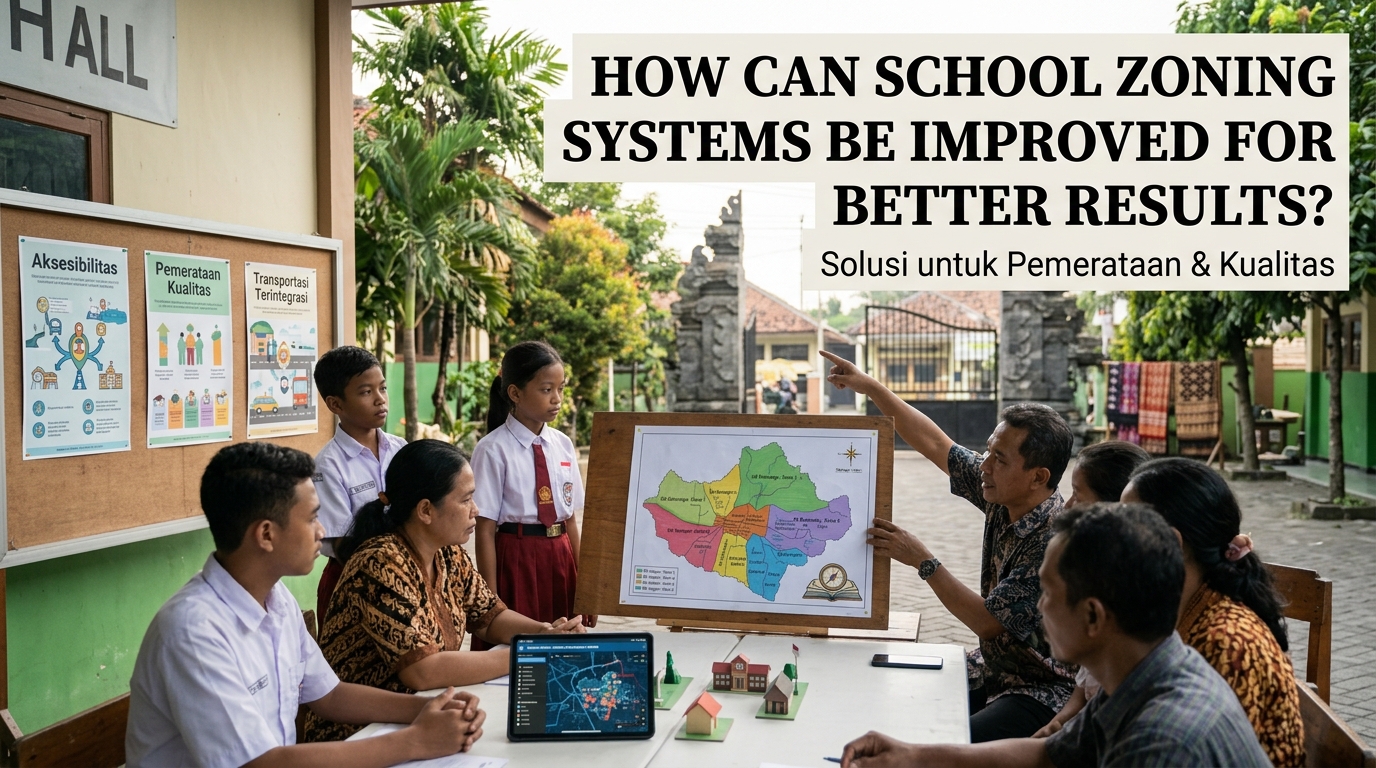
School zoning systems are designed to help students access education based on their residential locations. These systems can reduce travel distances, support local schools, and distribute students more evenly across educational institutions. However, challenges such as unequal school quality, limited facilities, and differences in admission procedures can affect their effectiveness. To achieve better results, school zoning systems need continuous evaluation and improvement. With the right strategies, governments and schools can make the system fairer, more transparent, and more beneficial for students.
IMPROVING THE QUALITY OF SCHOOLS IN EVERY AREA
One of the most important ways to improve school zoning systems is to ensure that schools in different neighborhoods provide good-quality education. Students should have access to qualified teachers, suitable classrooms, learning materials, libraries, and technology. If educational facilities vary greatly between areas, parents may continue to prefer certain schools over others. This can create concerns about fairness, even when admission rules are applied consistently. Reducing differences in school quality helps students receive better learning opportunities regardless of where they live.
Governments can support this improvement by distributing education funding according to school needs. Schools with limited facilities may require additional resources, teacher training, or building improvements. Regular evaluations can help identify which institutions need the most support. School leaders should also encourage effective teaching methods and provide opportunities for teachers to develop their skills. These efforts can make nearby schools more attractive and strengthen public confidence in the zoning system.
MAKING ADMISSION RULES CLEAR AND TRANSPARENT
Clear admission rules are essential for building trust in school zoning. Parents and students need to understand eligibility requirements, selection criteria, registration schedules, and the documents they must prepare. Education authorities should publish this information through official websites, schools, and other accessible communication channels. The explanations should use simple language so families from different backgrounds can understand them easily. Transparent admission procedures can reduce confusion, misinformation, and unnecessary disputes.
Authorities should also explain how applications are evaluated and how admission results are announced. When errors occur, families need access to a clear process for requesting corrections or submitting complaints. Officials must handle these concerns consistently and protect students' personal information. Regular public updates can help parents follow the registration process with confidence. By improving communication and accountability, school zoning can become more reliable and easier to understand.
USING TECHNOLOGY TO SUPPORT REGISTRATION
Technology can make school zoning registration more efficient when it is properly designed and managed. Online systems can help parents submit applications, upload documents, and check registration updates without visiting multiple offices. Digital tools can also assist authorities in managing student data and monitoring school capacity. When the information is accurate, technology can reduce administrative errors and improve the speed of admission decisions. However, digital registration must remain accessible to all families.
Not every household has a stable internet connection, a suitable device, or the skills needed to complete an online application. For this reason, schools should provide assistance through registration desks, help centers, or community support services. Authorities must also use appropriate security measures to protect residential addresses and other sensitive student information. Online systems should be tested regularly to prevent technical problems during important registration periods. Combining digital services with direct assistance can make school registration more inclusive and effective.
REVIEWING ZONING BOUNDARIES AND SCHOOL CAPACITY
School zoning boundaries should reflect real conditions in local communities. Population changes, new housing developments, road access, and the number of available classrooms can affect how many students need school places in a particular area. If boundaries are not reviewed regularly, some schools may become overcrowded while others have unused capacity. Education authorities should therefore examine enrollment data and community needs before adjusting zoning arrangements. Evidence-based planning can help distribute students more appropriately.
Authorities should also consider travel distance and the safety of students' routes to school. A school that appears close on a map may be difficult to reach because of traffic, rivers, limited public transportation, or unsafe roads. Community feedback can help officials understand these practical challenges. Any boundary changes should be explained publicly and introduced with enough time for families to prepare. This approach helps make zoning decisions more realistic, balanced, and responsive to local needs.
PROVIDING FAIR OPPORTUNITIES FOR DIFFERENT STUDENTS
A successful school zoning system should consider the different circumstances students face. Some families may experience difficulties because of disability, financial limitations, relocation, or limited access to transportation. Admission policies should follow applicable regulations while providing appropriate support for eligible students who need additional assistance. Authorities must ensure that students are treated fairly and that their personal circumstances are considered through legitimate procedures. Equal access to education means more than simply applying the same rules to everyone.
Schools can also work with families and community organizations to identify barriers that prevent students from enrolling. Information about admission requirements should be available in formats that are easy to access and understand. Support services may be necessary for families who need help preparing documents or completing registration. At the same time, any special arrangements should be clearly defined to maintain fairness and accountability. By addressing different needs carefully, school zoning can provide more inclusive educational opportunities.
STRENGTHENING MONITORING AND COMMUNITY PARTICIPATION
Regular monitoring helps education authorities determine whether school zoning is achieving its goals. They can review enrollment patterns, classroom capacity, school attendance, transportation challenges, and differences in educational resources. Feedback from students, parents, teachers, and school leaders can reveal problems that administrative data alone may not show. Evaluations should lead to practical improvements rather than simply producing reports. Continuous assessment allows the system to respond to changing educational needs.
Community participation is equally important because families understand many of the challenges affecting their neighborhoods. Authorities can hold public discussions, conduct surveys, and provide official channels for submitting suggestions or complaints. They should explain which recommendations can be implemented and why certain decisions are necessary. In Indonesia, school admission policies under the Sistem Penerimaan Murid Baru (SPMB) must be understood through the applicable national rules and local implementation guidance. Families should check official announcements because procedures and requirements may vary or change. Open communication and regular evaluation can help build public trust and better admission outcomes.
CONCLUSION
School zoning systems can achieve better results when they combine fair admission procedures with strong educational quality and effective planning. Governments should improve school facilities, communicate rules clearly, use technology responsibly, and review zoning boundaries according to local needs. They should also consider students who face additional barriers and involve communities in evaluating the system. These improvements can reduce unnecessary difficulties and help students access suitable educational opportunities. Ultimately, a fair and effective school zoning system depends on cooperation between governments, schools, families, and communities.
Recent Posts

Bagaimana Sistem SKS pada Program Kuliah... 22.11.2026/56 View

How Does Technology Make Daily Evaluation... 21.11.2026/86 View

Apa Strategi Menghadapi Kesenjangan antara Kompetensi... 21.11.2026/84 View

Mengapa Inventaris Aset Penting bagi Kelancaran... 21.11.2026/82 View

When Should Musicians Join a Record... 21.11.2026/86 View
