

How Can Schools and Communities Develop Effective Literacy Movement Programs?
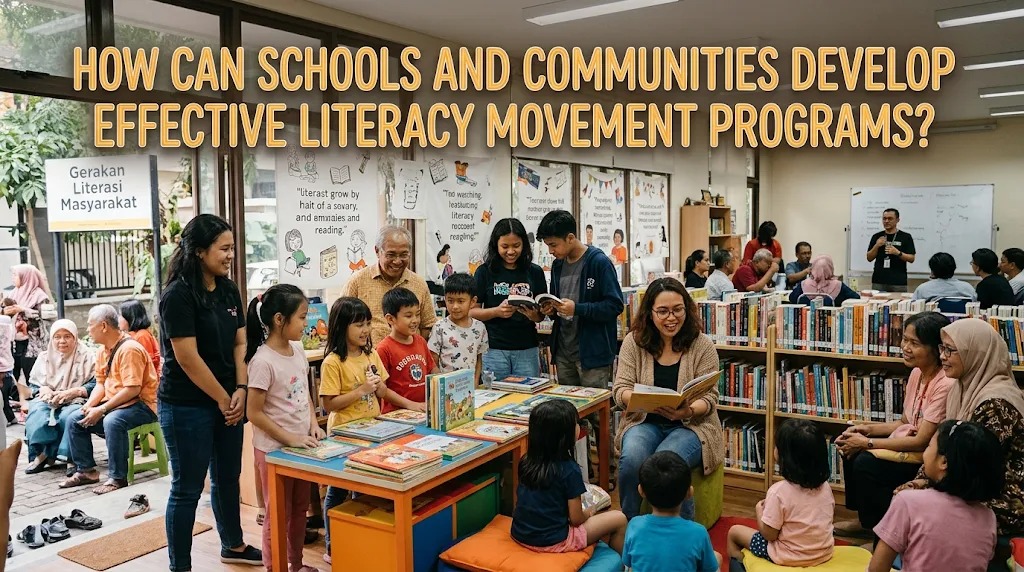
Literacy movements play an important role in improving the quality of education and building knowledgeable communities. Schools and communities have responsibilities to encourage people to develop reading, writing, and information-processing skills. However, literacy programs cannot succeed through formal education alone. They require cooperation, creativity, and consistent participation from different members of society. By creating effective literacy activities, schools and communities can develop a learning environment that encourages people to explore knowledge and improve their abilities.
UNDERSTANDING THE IMPORTANCE OF LITERACY MOVEMENT PROGRAMS
Literacy movement programs are organized activities designed to improve people's reading, writing, and information-processing abilities. These programs help individuals understand information, communicate effectively, and develop knowledge in different areas. Literacy is not only about recognizing words or reading books but also about understanding, evaluating, and using information in everyday situations. Therefore, literacy movements should become an important part of educational development in schools and communities.
Schools can introduce literacy programs to improve students' academic abilities and encourage independent learning. Meanwhile, communities can organize activities that provide learning opportunities for children, teenagers, and adults. When both institutions work together, literacy programs can reach more people and create wider educational benefits. Effective literacy movements can also help develop individuals who are more confident, knowledgeable, and prepared to face modern challenges.
DEVELOPING CREATIVE AND INTERESTING READING ACTIVITIES
One effective way to develop literacy programs is by creating reading activities that match participants' interests. Schools can organize reading challenges, storytelling competitions, book reviews, and classroom reading sessions. These activities make reading more enjoyable because students are encouraged to participate actively instead of treating books only as academic assignments. Teachers can also provide different reading materials, including fiction, biographies, science books, and educational magazines.
Communities can develop similar activities through reading clubs, public libraries, and neighborhood reading corners. For example, volunteers can organize weekly storytelling sessions for children or book discussions for teenagers and adults. Participants can exchange reading recommendations and share interesting information from the materials they have explored. By providing varied and enjoyable activities, literacy programs can attract more participants and gradually establish consistent reading habits.
STRENGTHENING COOPERATION BETWEEN SCHOOLS AND COMMUNITIES
Cooperation between schools and communities is an essential factor in developing successful literacy movements. Schools have educational facilities, teachers, and structured learning programs that can support literacy activities. Communities, on the other hand, understand local needs and can provide volunteers, learning spaces, and additional resources. Combining these strengths allows literacy programs to become more accessible and relevant to different groups of people.
Schools can collaborate with local libraries, community organizations, youth groups, and educational volunteers to organize literacy campaigns. For example, students can participate in community reading activities, donate books, or help younger children improve their reading abilities. Parents can also become involved by supporting school literacy events and encouraging reading at home. Through regular communication and shared responsibilities, schools and communities can create sustainable programs that benefit a wider population.
UTILIZING DIGITAL TECHNOLOGY TO SUPPORT LITERACY DEVELOPMENT
Digital technology provides opportunities to make literacy programs more accessible and flexible. Schools and communities can use electronic books, digital libraries, educational websites, and online learning platforms to provide additional reading materials. These resources allow participants to explore different subjects without depending entirely on printed books. Digital technology can also support people who live in areas where access to physical libraries is limited.
However, effective digital literacy programs should teach participants how to use technology responsibly. Students and community members need to understand how to identify reliable sources, evaluate information, and recognize misleading content. Teachers and volunteers can organize workshops about internet safety, digital research, and responsible social media use. By combining reading activities with digital skills, literacy movements can prepare people to participate more effectively in modern information-based society.
PROVIDING FACILITIES AND TRAINING FOR LITERACY PROGRAMS
Adequate facilities and trained organizers are necessary to ensure that literacy programs operate effectively. Schools should provide comfortable reading spaces, accessible books, and educational materials that match students' learning levels. Communities can establish small libraries, reading corners, or shared book collections in public spaces. These facilities make it easier for people to access learning resources without facing unnecessary difficulties.
Training is equally important because teachers, volunteers, and community organizers need appropriate skills to manage literacy activities. They should understand how to select suitable reading materials, guide discussions, and encourage participants with different learning abilities. Financial support and cooperation with local organizations can also help maintain program facilities and provide additional resources. With proper preparation, literacy movements can become more organized, inclusive, and sustainable.
EVALUATING AND IMPROVING LITERACY MOVEMENT PROGRAMS
Regular evaluation helps schools and communities determine whether their literacy programs are achieving their objectives. Organizers can measure participation levels, reading frequency, improvements in comprehension, and feedback from participants. These indicators provide useful information about program strengths and areas that require improvement. Evaluation should focus not only on the number of books read but also on participants' ability to understand and apply the information they receive.
Based on evaluation results, schools and communities can improve their activities and introduce more suitable learning methods. For example, programs with low participation may need more attractive themes, flexible schedules, or better facilities. Organizers can also invite participants to suggest new activities based on their interests and needs. Consistent evaluation and improvement ensure that literacy movements remain relevant and continue providing meaningful educational benefits.
CONCLUSION
Developing effective literacy movement programs requires cooperation between schools and communities, creative activities, accessible facilities, and appropriate technology. Schools can strengthen students' reading and learning abilities, while communities can expand literacy opportunities beyond formal education. Both groups need to work together to create an environment where reading and learning become enjoyable daily activities.
Furthermore, regular evaluation and continuous improvement are necessary to maintain the success of literacy programs. By involving teachers, parents, students, volunteers, and local organizations, literacy movements can reach more people and provide long-term benefits. Ultimately, effective literacy programs can help build a knowledgeable, critical, and independent generation that is ready to contribute positively to society.
Recent Posts

Bagaimana Sistem SKS pada Program Kuliah... 22.11.2026/28 View

How Does Technology Make Daily Evaluation... 21.11.2026/65 View

Apa Strategi Menghadapi Kesenjangan antara Kompetensi... 21.11.2026/65 View

Mengapa Inventaris Aset Penting bagi Kelancaran... 21.11.2026/62 View

When Should Musicians Join a Record... 21.11.2026/63 View
